Embracing the Flow: Trusting the Unfolding of Life
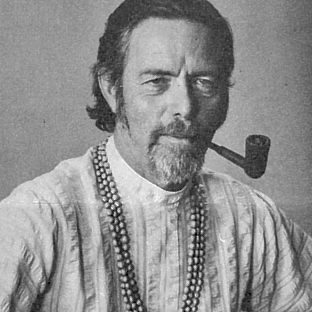
In the words of Alan Watts, "Trust the unfolding. The Tao is doing it." This invitation to surrender to the natural flow of existence resonates deeply within the human experience. It speaks to the tension we often feel between our desires for control and the unpredictable nature of life. By trusting the unfolding, we are encouraged to let go of rigid expectations and embrace the inherent wisdom of the Tao, the fundamental principle that underlies all things. This trust is not merely passive acceptance; it is an active engagement with the present moment, allowing us to navigate the complexities of life with grace and ease.
Watts' assertion invites us to reflect on the nature of trust itself. In a world that often prioritizes certainty and predictability, the idea of trusting an unfolding process can feel daunting. Yet, it is precisely in this act of trust that we may find liberation. The Tao, often described as the way or path, suggests that there is an underlying order to the chaos of life. By aligning ourselves with this flow, we can cultivate a sense of peace and resilience, recognizing that each moment, with its challenges and joys, is part of a larger tapestry that is continually being woven.
The image / the metaphor
The imagery in Watts' quote evokes a sense of movement and progression, suggesting that life is not a static entity but rather a dynamic unfolding. The verb "trust" implies a relinquishing of control, a willingness to let go of preconceived notions about how things should be. The phrase "the Tao is doing it" reinforces the idea that there is a guiding force at play, one that operates beyond our limited understanding. This evokes a felt sense of being cradled by something greater than ourselves, a comforting notion that can ease the burdens of anxiety and uncertainty.
Diving deeper into the metaphor, we can envision the Tao as a river, flowing effortlessly through the landscape of our lives. Just as a river carves its path through rock and soil, so too does the Tao navigate the complexities of existence. To trust the unfolding is to recognize that we are part of this river, not separate from it. We are invited to surrender to its currents, allowing ourselves to be carried along rather than fighting against the flow. This metaphor encourages us to embrace the natural rhythms of life, understanding that each twist and turn serves a purpose in our journey.
In the speaker's tradition
Alan Watts, a prominent figure in the popularization of Eastern philosophies in the West, draws heavily from the traditions of Zen Buddhism and Taoism. Central to these teachings is the concept of dharma, which refers to the natural order of the universe and our place within it. By trusting the unfolding, we align ourselves with our own dharma, recognizing that each moment presents an opportunity for growth and understanding. This notion of alignment is echoed in the practice of kenosis, or self-emptying, which encourages us to release our attachments and open ourselves to the flow of life.
In Watts' exploration of the Tao, he often references the text "Tao Te Ching," attributed to Laozi, which emphasizes the importance of yielding and non-resistance. One of its core teachings is the idea of "wu wei," or effortless action, which complements the notion of trusting the unfolding. By practicing wu wei, we learn to act in harmony with the natural flow of events rather than imposing our will upon them. This alignment with the Tao fosters a deeper understanding of ourselves and the world around us, allowing us to navigate life's challenges with a sense of ease and grace.
Living the teaching
Consider a modern scenario where this teaching might resonate: a professional facing unexpected changes in their career path. Perhaps a job loss or a sudden shift in responsibilities has left them feeling disoriented and anxious. In this moment, trusting the unfolding means letting go of the need to control the outcome and instead embracing the uncertainty. By recognizing that the Tao is at work, they can begin to see this challenge as an opportunity for growth, allowing new possibilities to emerge that may not have been visible before.
This teaching can also be applied in the realm of relationships, particularly during difficult moments. Imagine a couple navigating a conflict that feels insurmountable. By trusting the unfolding, they can approach the situation with openness and curiosity rather than defensiveness. This shift in perspective allows them to engage in a dialogue that honors both their individual experiences and the shared journey they are on. In doing so, they may discover deeper connections and insights that were previously obscured by their desire to control the narrative.
A reflection
As we contemplate Watts' invitation to "trust the unfolding," we are called to examine our own relationship with uncertainty. What would it mean for us to surrender our need for control and embrace the flow of life? In what areas of our lives are we resisting the natural unfolding of events? By reflecting on these questions, we can begin to cultivate a deeper sense of trust in ourselves and the world around us, allowing the Tao to guide us on our journey.



Join the BrightStar Community
Stay connected with daily inspiration, event announcements, and community wisdom