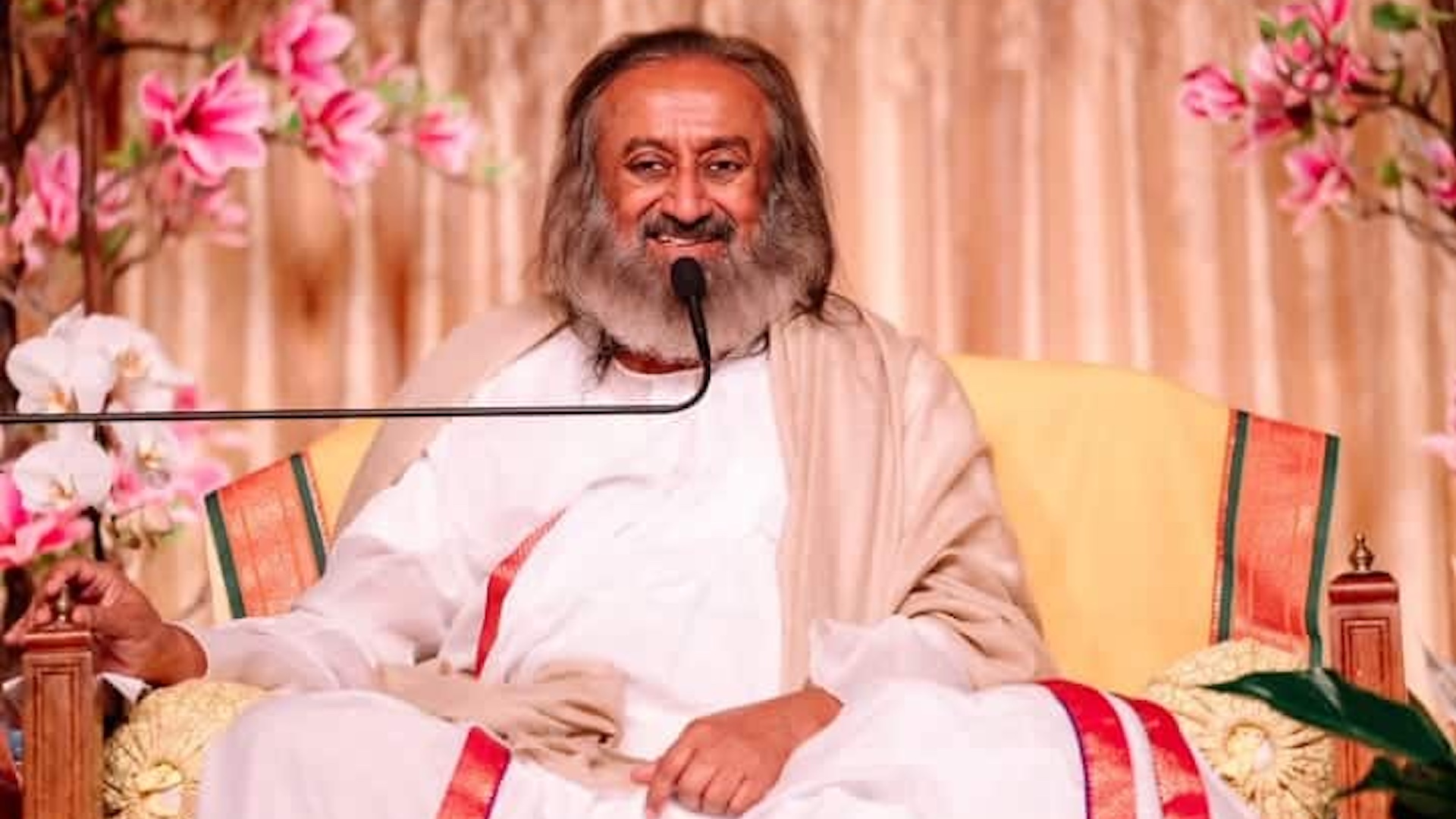
The Journey of the Soul: Understanding the Body as a Vehicle
When Sri Sri Ravi Shankar states, "The body is a vehicle for the soul's journey," he invites us to consider the profound relationship between our physical existence and our spiritual essence. This metaphor suggests that our bodies serve not merely as biological entities but as essential instruments through which our souls navigate the complexities of life. Recognizing this connection is vital, as it encourages us to honor our physical forms while simultaneously nurturing our spiritual growth. Understanding this relationship can lead to a more harmonious existence, where the physical and spiritual realms are not seen as separate but as intertwined aspects of our being.
Delving deeper, we find that this quote encapsulates a fundamental truth about human experience: the body is transient, yet the soul is eternal. In this light, our physical experiences, emotions, and interactions become significant markers on the soul's journey. This perspective shifts our focus from the superficial aspects of life to the deeper, more meaningful experiences that shape our spiritual evolution. By embracing the body as a vehicle, we are encouraged to engage with life fully, recognizing that each moment contributes to our soul's unfolding narrative.
The image / the metaphor
The imagery of the body as a vehicle evokes a sense of movement and purpose. Just as a vehicle transports us from one place to another, our bodies carry our souls through the myriad experiences of life. The choice of the word "vehicle" implies functionality and utility, suggesting that our physical forms are not merely vessels but essential tools for our spiritual exploration. This metaphor invites us to consider how we care for and maintain our vehicles—our bodies—through practices that promote health, well-being, and mindfulness.
Going deeper into this metaphor, we can reflect on the journey itself. A vehicle requires fuel, maintenance, and direction, paralleling the needs of our bodies and souls. The fuel for our journey can be seen as the nourishment we provide ourselves—both physically and spiritually. Maintenance involves self-care practices that honor our physical health, while direction speaks to the choices we make that align with our higher purpose. This holistic view encourages us to take responsibility for our journey, recognizing that how we treat our bodies directly impacts our spiritual growth.
In the speaker's tradition
Within the context of Sri Sri Ravi Shankar's teachings, this quote resonates with several key concepts in the Art of Living tradition. The idea of the body as a vehicle aligns with the notion of dharma, or one's duty, which emphasizes the importance of living in accordance with our true nature. By understanding our bodies as instruments for fulfilling our dharma, we can approach life with greater intention and clarity. Additionally, the concept of kenosis, or self-emptying, invites us to let go of ego-driven desires, allowing our souls to guide us more authentically on our journey.
Moreover, this perspective finds echoes in ancient texts such as the Bhagavad Gita, where the interplay between the physical and spiritual realms is explored. In Chapter 2, Verse 13, Krishna speaks of the eternal nature of the soul, contrasting it with the impermanence of the body. This teaching reinforces the idea that while our bodies may age and change, our souls remain constant, urging us to engage with our physical existence as a means of spiritual growth rather than as an end in itself.
Living the teaching
Consider a modern scenario where this teaching can be applied: a busy professional navigating the demands of work and life. In the hustle of daily responsibilities, it is easy to forget the connection between body and soul. However, by consciously acknowledging that the body is a vehicle for the soul's journey, one might prioritize self-care practices such as mindful eating, regular exercise, and moments of stillness. This recognition can transform mundane routines into sacred rituals, allowing the individual to engage more deeply with their life purpose.
In a different context, imagine a relationship facing challenges. By understanding that both partners are on their own soul journeys, they can approach conflicts with greater compassion and empathy. Recognizing that their bodies are vehicles for their respective souls encourages them to communicate openly and support one another's growth. This perspective fosters a deeper connection, allowing both individuals to honor their unique paths while navigating the shared journey of their relationship.
A reflection
As we contemplate the wisdom embedded in the quote, "The body is a vehicle for the soul's journey," we are invited to reflect on our own lives. How do we honor our bodies as sacred vessels for our spiritual exploration? In what ways can we cultivate a deeper awareness of the connection between our physical experiences and our soul's purpose? Engaging with these questions can illuminate our path, guiding us toward a more integrated and fulfilling existence.