The Gift of Selfless Service
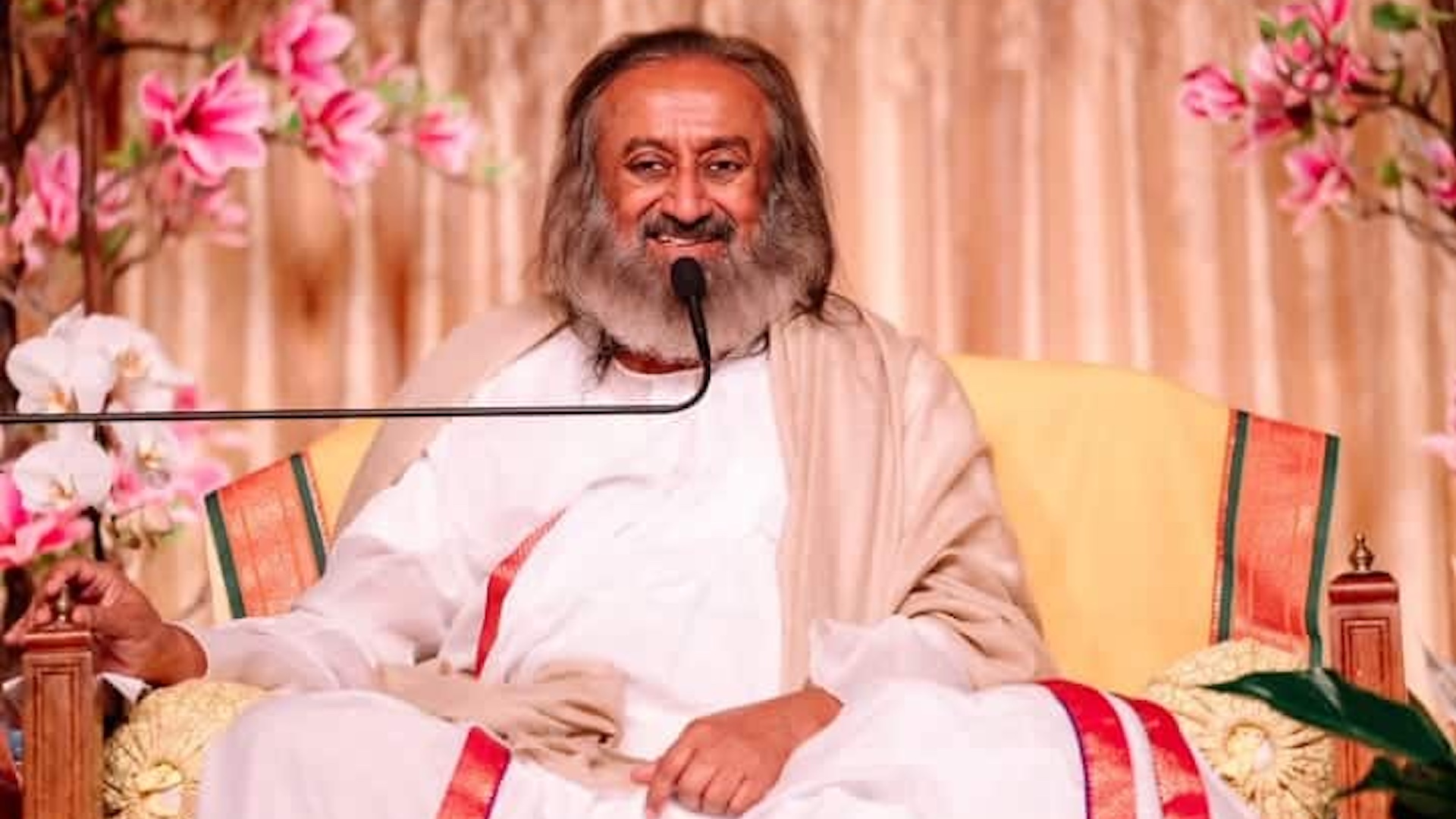
“Seva is its own reward,” a profound assertion by Sri Sri Ravi Shankar, invites us to reconsider the very nature of giving and service. In a world often driven by transactional relationships and the pursuit of external validation, this quote serves as a gentle reminder that the act of selfless service—seva—holds intrinsic value. It suggests that the joy and fulfillment derived from serving others are not merely byproducts but the essence of the act itself. This perspective challenges us to shift our focus from seeking rewards to embracing the transformative power of altruism.
Delving deeper, we find that this statement encapsulates a fundamental truth about human existence: the interconnectedness of all beings. In the act of giving, we not only uplift others but also nourish our own souls. The essence of seva transcends the physical act; it is a spiritual practice that cultivates compassion, empathy, and a sense of belonging. By recognizing that the reward lies within the act itself, we can liberate ourselves from the burdens of expectation and entitlement, allowing our hearts to open fully to the experience of giving.
The image / the metaphor
At its core, the quote evokes a vivid imagery of selfless action, where the giver and the receiver become intertwined in a dance of mutual upliftment. The word "seva" carries with it a sense of devotion and surrender, suggesting that true service is not merely a duty but a heartfelt offering. The verbs chosen—“is” and “reward”—imply a state of being rather than a conditional outcome. This language invites us to feel the immediacy of the experience, emphasizing that the act of serving is a destination in itself, rich with meaning and purpose.
Going deeper, the metaphor of seva as its own reward suggests a profound truth about the nature of fulfillment. It implies that when we engage in acts of kindness and service, we tap into a wellspring of joy that is independent of external circumstances. This intrinsic reward is akin to the concept of “kenosis” in Christian mysticism, where self-emptying leads to a fuller experience of divine love. In this light, seva becomes a sacred practice that not only benefits others but also enriches our own spiritual journey.
In the speaker's tradition
Within the framework of Sri Sri Ravi Shankar's teachings, seva is intricately linked to the concept of dharma, or righteous duty. In the Art of Living tradition, serving others is seen as a pathway to realizing one's true self and fulfilling one's purpose in life. This aligns with the broader spiritual principles found in various traditions, such as the Buddhist notion of “sunyata,” or emptiness, which encourages letting go of the ego to experience interconnectedness. The practice of seva thus becomes a means of transcending the self, allowing us to embody the essence of compassion and love.
Moreover, the teachings of the Bhagavad Gita resonate deeply with this idea. In Chapter 3, Verse 19, Lord Krishna emphasizes that one should perform their duty without attachment to the fruits of their actions. This echoes Sri Sri Ravi Shankar's assertion that the act of seva itself is the reward, urging us to engage in selfless service without the expectation of recognition or recompense. Such teachings remind us that true fulfillment arises not from what we gain, but from the purity of our intentions and actions.
Living the teaching
Consider a modern scenario where this teaching can be applied: a community volunteer program aimed at assisting the elderly. Participants may initially join with the hope of gaining experience or fulfilling a requirement, yet as they engage in the act of serving, they often find themselves transformed. The laughter shared, the stories exchanged, and the simple act of being present for another human being can evoke a profound sense of joy and connection. In this context, the volunteers discover that the true reward lies not in accolades or recognition, but in the deep sense of fulfillment that arises from their selfless contributions.
Another application of this teaching can be found in personal relationships, particularly during challenging moments. Imagine a situation where a friend is going through a difficult time. Instead of seeking validation for our support, we can approach the situation with an open heart, offering our time and presence without expectation. In doing so, we not only provide comfort to our friend but also cultivate a deeper bond and understanding within ourselves. This practice of unconditional giving reinforces the idea that the act of seva enriches both the giver and the receiver, creating a cycle of love and compassion.
A reflection
As we contemplate the essence of “Seva is its own reward,” we are invited to reflect on our motivations for serving others. Are we seeking recognition, or can we embrace the intrinsic joy that comes from selfless acts? In what ways can we cultivate a deeper sense of fulfillment through our service to others? Allow these questions to guide your thoughts and actions, nurturing a spirit of generosity that transcends the need for external validation.