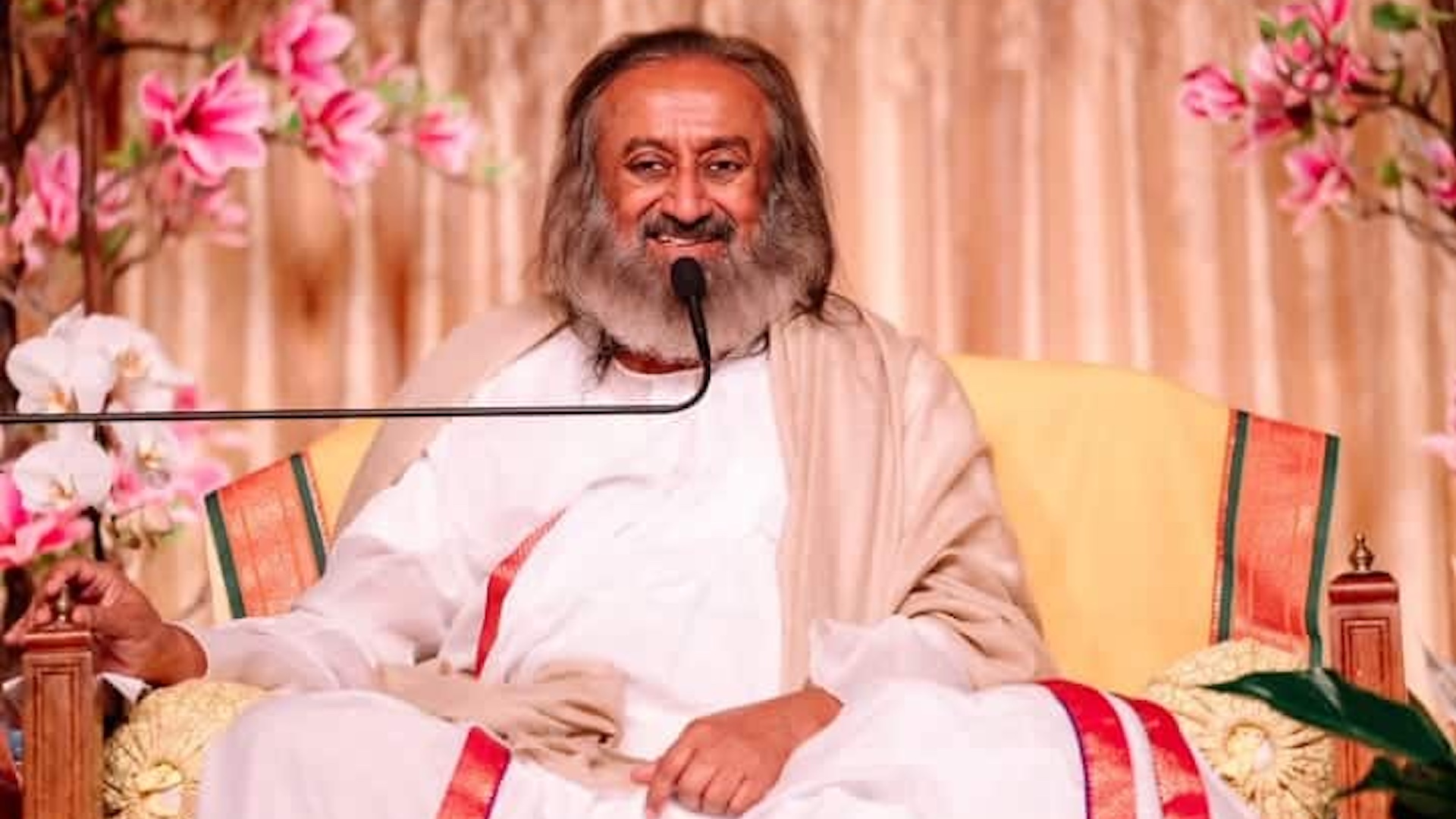
The Enduring Wealth of Experience
In the words of Sri Sri Ravi Shankar, "Money comes and goes. Experience stays with the soul." This poignant statement invites us to reflect on the transient nature of material wealth compared to the lasting impact of our experiences. In a world often dominated by the pursuit of financial gain, this wisdom serves as a gentle reminder to prioritize what truly enriches our lives—our experiences, relationships, and the lessons we learn along the way. Understanding this distinction can profoundly shift our values and priorities, leading us toward a more fulfilling existence.
As we navigate our daily lives, the allure of money can easily overshadow the deeper, more meaningful aspects of our journey. The societal emphasis on financial success often leads to a relentless chase for wealth, leaving little room for introspection or appreciation of the intangible treasures that life offers. By acknowledging that experiences shape our souls and contribute to our personal growth, we can cultivate a deeper sense of purpose and connection. This understanding not only enriches our lives but also fosters a sense of gratitude for the moments that define us.
The image / the metaphor
At its core, the quote juxtaposes two powerful forces: money and experience. Money is depicted as a fleeting entity, something that can be gained and lost with relative ease. In contrast, experience is portrayed as a profound, enduring aspect of our existence, one that leaves an indelible mark on our souls. The imagery evokes a sense of impermanence associated with material wealth, while simultaneously celebrating the lasting impact of our lived experiences. The verbs chosen—"comes" and "goes"—suggest a dynamic, almost playful interaction with money, while "stays" emphasizes the permanence of experience.
Diving deeper into the metaphor, we can see that money represents the external, often superficial aspects of life, while experience embodies the internal, transformative journey of the soul. This contrast invites us to consider what we truly value and how we allocate our time and energy. The fleeting nature of money serves as a reminder that our true wealth lies not in our bank accounts but in the richness of our experiences, the connections we forge, and the wisdom we gain through our journeys.
In the speaker's tradition
Sri Sri Ravi Shankar's teachings are deeply rooted in the Art of Living tradition, which emphasizes the importance of inner peace, self-awareness, and the cultivation of meaningful relationships. Concepts such as dharma, or righteous living, and bhakti, the path of devotion, resonate with the essence of this quote. By prioritizing experiences over material wealth, we align ourselves with our dharma, fostering a sense of purpose that transcends the superficial pursuits of life. The practice of kenosis, or self-emptying, further underscores the idea that true fulfillment comes from letting go of attachments to material possessions and embracing the richness of our inner experiences.
In the context of spiritual texts, we can draw parallels to the teachings found in the Bhagavad Gita, where the importance of selfless action and the pursuit of knowledge are emphasized. The Gita teaches that while we may engage in the world and its material pursuits, our true essence lies in our ability to cultivate wisdom and compassion. This aligns seamlessly with Ravi Shankar's message, reminding us that while money may come and go, the experiences that shape our character and soul are what ultimately define us.
Living the teaching
Consider a modern scenario where this teaching resonates: a young professional who dedicates countless hours to climbing the corporate ladder, often at the expense of personal relationships and self-care. In this pursuit of financial success, the individual may find themselves feeling unfulfilled and disconnected. By reflecting on Ravi Shankar's wisdom, they might begin to reassess their priorities, recognizing that the experiences shared with loved ones, the joy of pursuing passions, and the lessons learned through challenges are far more valuable than any paycheck. This shift in perspective can lead to a more balanced, enriched life.
Another application of this teaching can be found in the realm of relationships. Imagine a couple navigating a difficult period, where financial stress looms large. Instead of allowing money to dictate their emotional landscape, they can choose to focus on the experiences they share—conversations that deepen their connection, moments of laughter, and the support they offer each other. By prioritizing these experiences over financial concerns, they cultivate a resilient bond that can weather the storms of life. This practice of valuing experience over material wealth can transform not only individual lives but also the fabric of our relationships.
A reflection
As we contemplate the wisdom of Sri Sri Ravi Shankar's quote, we are invited to consider a profound question: What experiences have shaped my soul in ways that material wealth never could? Reflecting on this question can lead us to a deeper understanding of our values and priorities, guiding us toward a life that honors the richness of our experiences. In a world that often equates success with financial gain, may we find the courage to embrace the enduring wealth that resides within our hearts and souls.