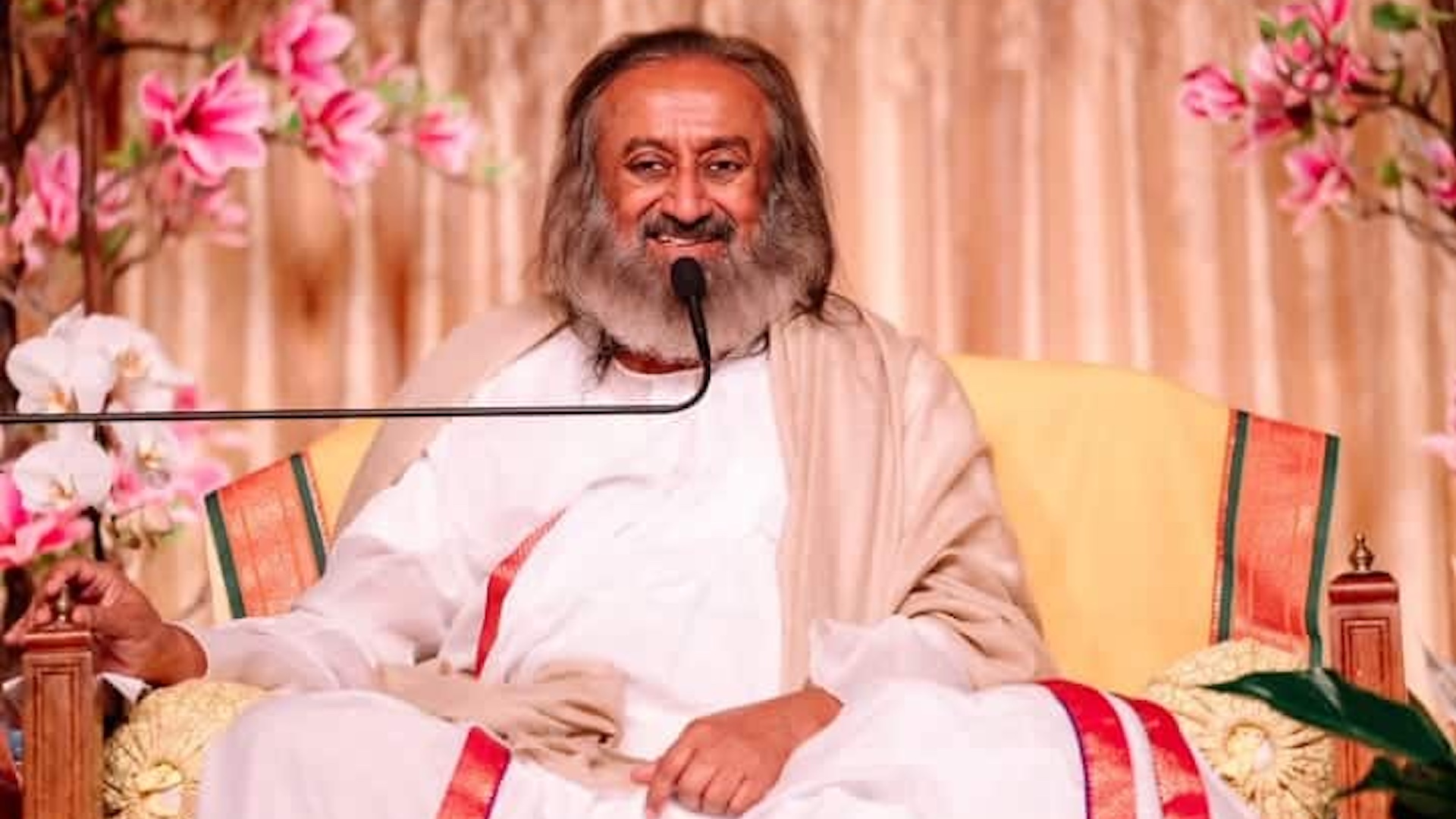
The Dance of Transience and Permanence
In the profound words of Sri Sri Ravi Shankar, "Feelings come and go. Being remains." This statement encapsulates a fundamental truth about the human experience: our emotions are fleeting, often dictated by external circumstances, while our essence, our true being, is a constant presence. Understanding this distinction is crucial for navigating the complexities of life, as it invites us to cultivate a deeper awareness of our inner selves, beyond the ephemeral nature of feelings. In a world where emotional turbulence is commonplace, recognizing the permanence of our being offers a sanctuary of stability.
Delving deeper into this quote reveals an invitation to explore the nature of existence itself. Feelings, whether joy, sorrow, anger, or elation, are like waves that rise and fall, often leaving us feeling disoriented or reactive. In contrast, the concept of being suggests a grounding force, a core identity that remains untouched by the fluctuations of emotional states. This understanding is not merely philosophical; it is a practical guide for living with greater equanimity and resilience, allowing us to respond to life's challenges with a sense of calm rooted in our true nature.
The image / the metaphor
The imagery in Sri Sri Ravi Shankar's quote evokes a dynamic interplay between the transient and the eternal. The verbs "come" and "go" suggest a fluidity, a dance of feelings that are ever-changing, while "remains" conveys a sense of steadfastness and permanence. This contrast paints a vivid picture of the human experience, where emotions can be likened to clouds drifting across the sky—beautiful yet impermanent—while our being is the vast expanse of the sky itself, ever-present and unchanging.
Going deeper into this metaphor, we can see that feelings are often influenced by our environment, relationships, and experiences, much like the weather. They can bring sunshine or storms, but they do not define the essence of who we are. By recognizing that our true self is like the sky—capable of holding all weather patterns without being altered by them—we can cultivate a sense of inner peace and clarity. This understanding encourages us to observe our feelings without attachment, allowing them to pass through us while we remain anchored in our being.
In the speaker's tradition
Within the framework of Sri Sri Ravi Shankar's teachings, this quote resonates deeply with concepts such as dharma and prajna. Dharma, often understood as one's duty or path, invites us to align our actions with our true nature, transcending the chaos of fleeting emotions. Prajna, or wisdom, encourages us to see beyond the surface of our feelings, recognizing that they are not the entirety of our existence. This perspective aligns with the broader spiritual traditions that emphasize the importance of inner stillness and self-awareness as pathways to enlightenment.
Moreover, the teachings of the Art of Living emphasize the practice of meditation and mindfulness as tools for cultivating this awareness. In texts such as "An Intimate Note to the Sincere Seeker," the emphasis is placed on the journey inward, where one can discover the unchanging essence of being. This journey is akin to the Buddhist concept of sunyata, or emptiness, which teaches that the essence of reality is beyond the transient phenomena of emotions and thoughts, leading to a profound understanding of the self.
Living the teaching
Consider a modern scenario where this teaching can be applied: a challenging day at work filled with stress and frustration. In such moments, feelings of anxiety or anger may arise, overwhelming our sense of peace. However, by remembering that these feelings are temporary and do not define our being, we can take a step back, breathe, and reconnect with our inner calm. This practice of detachment allows us to respond to the situation with clarity rather than reactivity, fostering a more constructive and peaceful work environment.
In the context of relationships, this teaching can be particularly transformative. Imagine a disagreement with a loved one that stirs up feelings of hurt or resentment. By recognizing that these emotions are transient and do not reflect the entirety of our connection, we can approach the situation with compassion and understanding. This perspective encourages open communication and healing, allowing the relationship to flourish despite the inevitable ups and downs of emotional experiences.
A reflection
As we contemplate the wisdom of Sri Sri Ravi Shankar's words, we are invited to reflect on our own relationship with feelings and being. How often do we allow transient emotions to dictate our sense of self-worth or happiness? In what ways can we cultivate a deeper awareness of our true essence, remaining anchored in our being amidst the ebb and flow of life? This inquiry invites us to explore the profound depths of our existence, encouraging a journey toward greater self-discovery and inner peace.