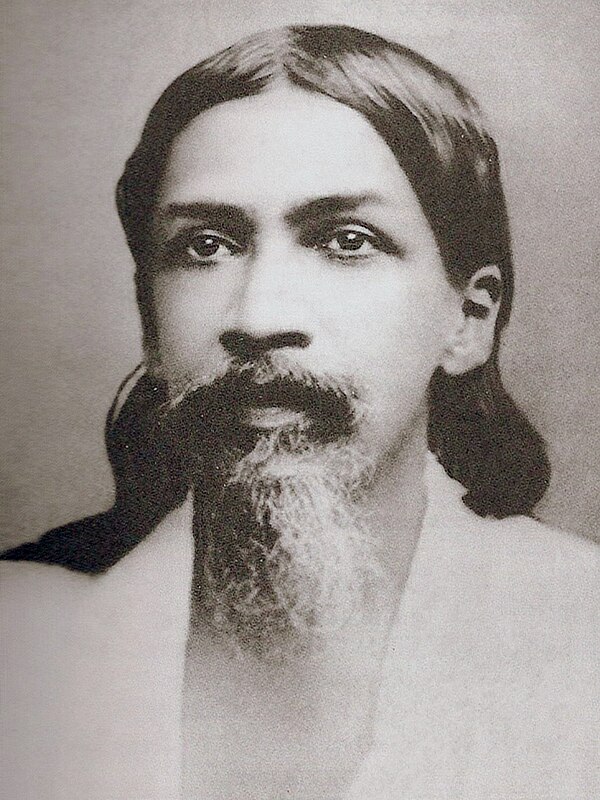
The Silence of the Mind: A Gateway to Higher Consciousness
In the profound words of Sri Aurobindo, "When the mind is silent, then there is the mind. There is the descent of the higher consciousness." This statement invites us to explore the transformative power of silence, suggesting that true awareness emerges not from the cacophony of thoughts but from a stillness that allows for a deeper connection to our higher selves. The stakes are high; in a world filled with distractions and noise, the ability to cultivate inner silence can lead us to profound insights and a more authentic existence.
To delve deeper, we must recognize that silence is not merely the absence of sound but a fertile ground for consciousness to flourish. It is in this silence that we can access the higher dimensions of our being, transcending the limitations of ordinary thought. Aurobindo’s assertion challenges us to reconsider our relationship with our minds, urging us to seek a state of awareness that is both expansive and deeply rooted in our true nature. This exploration of silence as a pathway to higher consciousness is not just a philosophical inquiry; it is a practical guide for living a more meaningful life.
The image / the metaphor
The imagery in Aurobindo's quote evokes a sense of duality within the mind itself. The phrase "the mind is silent" suggests a stillness that contrasts sharply with the usual tumult of thoughts and distractions. The use of the word "descent" implies a movement from a higher realm into our everyday consciousness, as if higher truths are waiting to be revealed when we create space for them. This descent is not a passive occurrence; it requires an active engagement with silence, a willingness to let go of the incessant chatter that often clouds our perception.
Diving deeper into the metaphor, we can see that silence serves as a bridge between the mundane and the divine. It is a sacred space where the noise of the ego fades, allowing for a clearer connection to the higher consciousness that Aurobindo speaks of. This higher consciousness is not an abstract concept but a tangible experience that can be felt when we cultivate inner stillness. The act of silencing the mind becomes a transformative journey, leading us to insights that are often obscured by our habitual thought patterns.
In the speaker's tradition
To fully appreciate Aurobindo's insights, we must place them within the broader context of Hindu philosophy. Concepts such as dharma, the path of righteousness, and bhakti, the devotion to the divine, resonate deeply with the idea of achieving higher consciousness through silence. In this tradition, the practice of kenosis—emptying oneself of ego and desire—aligns closely with Aurobindo's call for mental stillness. This emptying is not a loss but a preparation for receiving greater wisdom and understanding, echoing the teachings found in texts like the Bhagavad Gita, where the still mind is seen as essential for spiritual realization.
Moreover, Aurobindo's thoughts can be likened to the Buddhist concept of sunyata, or emptiness, which emphasizes the importance of letting go of attachments to thoughts and perceptions. Just as in Buddhism, where the cessation of suffering is linked to the quieting of the mind, Aurobindo suggests that the descent of higher consciousness is contingent upon our ability to cultivate silence. This interplay between silence and awareness is a recurring theme in spiritual literature, underscoring its universal significance across traditions.
Living the teaching
Consider a modern scenario where the teachings of Aurobindo can be applied: a busy professional navigating the demands of work and personal life. In the midst of deadlines and responsibilities, the mind often races, filled with worries and distractions. By intentionally carving out moments of silence—perhaps through meditation or mindful breathing—this individual can create a sanctuary within themselves. In these moments, the descent of higher consciousness can occur, offering clarity and insight that may have otherwise remained hidden amidst the chaos.
Another application of this teaching can be found in interpersonal relationships. Imagine a conflict arising between two friends, each entrenched in their perspectives. If both individuals can embrace silence, stepping back from their immediate reactions, they may find a deeper understanding of each other’s feelings and motivations. This silence allows for a space of empathy and connection, fostering a dialogue that transcends the surface-level disagreements. In both scenarios, the practice of silence becomes a powerful tool for transformation, enabling individuals to access a higher consciousness that enriches their lives and relationships.
A reflection
As we reflect on Aurobindo's profound statement, we are invited to consider: What does silence reveal to me about my own consciousness? This question encourages us to engage with our inner landscapes, exploring the depths of our thoughts and feelings. In a world that often prioritizes noise and distraction, the practice of cultivating silence becomes not just a personal endeavor but a collective journey towards greater awareness and understanding. By embracing this silence, we open ourselves to the possibility of profound transformation and connection with the higher aspects of our being.