The Grace of Attitude: A Journey Within
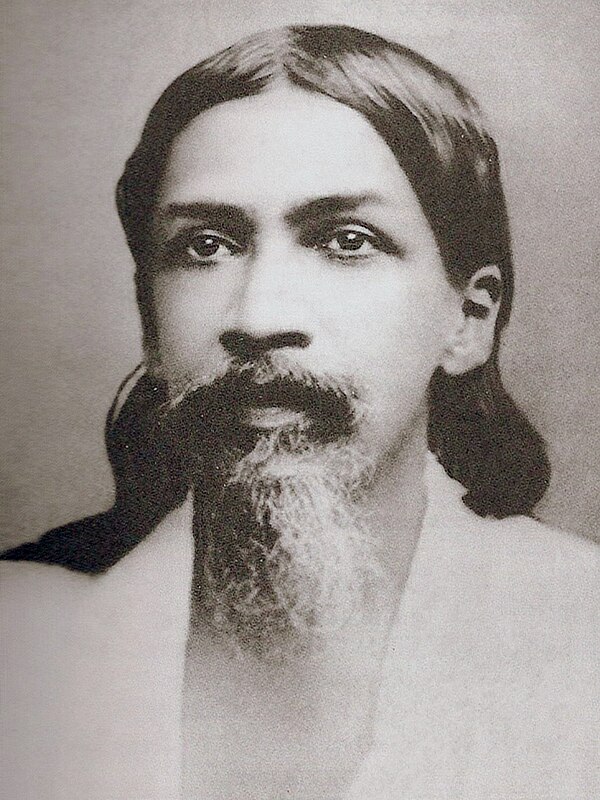
Sri Aurobindo's assertion that "The Mother's grace can do all; only the soul must be in the right attitude" invites us to explore the profound interplay between divine grace and human disposition. At its core, this quote emphasizes that while grace is an omnipotent force, its efficacy is contingent upon our inner readiness to receive it. This notion is not merely philosophical; it is a call to introspection, urging us to examine our attitudes and openness to the transformative power of grace in our lives.
In a world often characterized by chaos and uncertainty, the idea that grace can facilitate profound change offers a beacon of hope. However, the caveat that our soul must be aligned in the right attitude suggests that we hold a responsibility in this dynamic. It is a reminder that grace is not a passive gift but an active engagement, requiring us to cultivate a mindset that is receptive, humble, and willing to surrender to a higher purpose. This interplay between grace and attitude is a central theme in many spiritual traditions, yet Aurobindo's perspective invites us to delve deeper into the nuances of this relationship.
The image / the metaphor
The imagery in Aurobindo's quote evokes a sense of nurturing and support, akin to a mother’s embrace. The term "Mother's grace" conjures a vision of unconditional love and acceptance, suggesting that this grace is always available to us, much like a mother’s care for her child. The phrase "can do all" implies an infinite potential, a boundless capacity to transform our lives and circumstances. However, the stipulation that "the soul must be in the right attitude" introduces a dynamic tension; it suggests that our inner state is not merely a passive backdrop but an active participant in the unfolding of grace.
Diving deeper into the metaphor, we can see that the "right attitude" is not simply about being positive or hopeful; it encompasses a profound alignment with our true selves and the universe. It speaks to the necessity of humility, surrender, and a willingness to let go of ego-driven desires. This attitude is akin to the fertile soil that allows the seeds of grace to germinate and flourish. Without this nurturing environment, even the most potent grace may struggle to manifest its transformative potential.
In the speaker's tradition
Sri Aurobindo's teachings are deeply rooted in the rich tapestry of Hindu philosophy, where concepts such as dharma, bhakti, and prajna play pivotal roles. Dharma, or the moral order, emphasizes the importance of aligning one's actions with a higher purpose, which resonates with the idea of maintaining the right attitude. Similarly, bhakti, the path of devotion, underscores the necessity of surrendering to a divine presence, allowing grace to flow into our lives. Aurobindo’s perspective invites us to consider how our spiritual practices can cultivate this alignment, making us more receptive to grace.
In his work, Aurobindo often draws from the Bhagavad Gita, where Krishna speaks of surrendering to the divine will as a means of attaining liberation. The Gita teaches that true freedom arises not from the pursuit of personal desires but from aligning oneself with a greater cosmic order. This echoes Aurobindo's assertion that grace is available to all, yet it requires a conscious effort to attune our souls to the divine frequency. The interplay of grace and attitude is thus a timeless theme, inviting seekers to reflect on their own spiritual journeys.
Living the teaching
Consider a modern scenario where an individual faces a significant life challenge, such as a career setback or a personal loss. In such moments, the instinct may be to resist, to cling to past expectations, or to succumb to despair. However, if one approaches this situation with the right attitude—an openness to learning, a willingness to accept the present moment, and a trust in the unfolding of life—grace can enter. This grace may manifest as new opportunities, unexpected support from others, or a deeper understanding of oneself, illustrating how our inner disposition can shape our experiences.
In the context of relationships, the teaching of Aurobindo can be equally transformative. Imagine navigating a conflict with a loved one; the initial reaction might be defensiveness or anger. Yet, if one shifts to a place of humility and compassion, recognizing the shared humanity in both parties, grace can work through the dialogue. This shift in attitude not only fosters healing but also opens the door for deeper connection and understanding, demonstrating that grace is not a distant ideal but a practical force that can reshape our interactions.
A reflection
As we contemplate Sri Aurobindo's profound insight, we are invited to reflect on our own lives: What is my current attitude towards the challenges I face? Am I open to receiving grace, or do I resist it through fear or stubbornness? This question encourages us to examine the subtle ways in which our inner states influence our experiences, reminding us that the grace we seek is often contingent upon our willingness to align ourselves with it.