Embracing the Divine: The Dance of Surrender and Grace
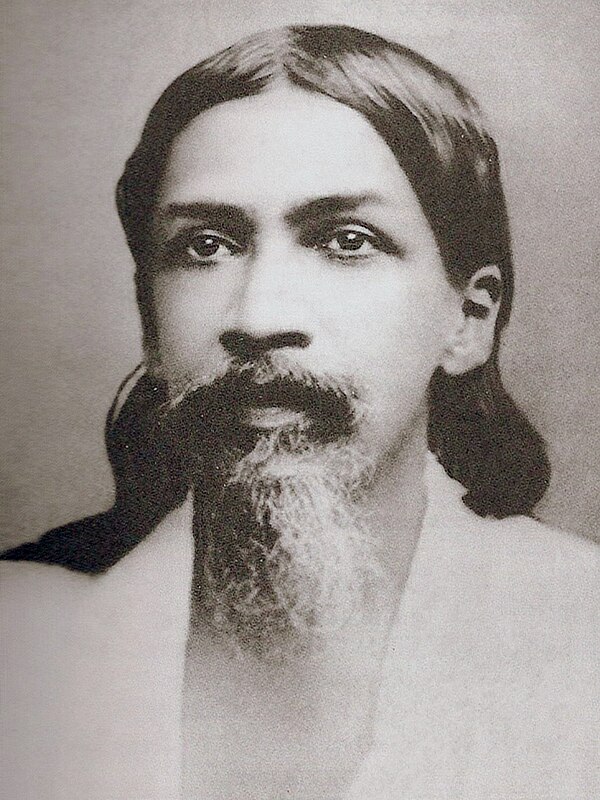
The quote from Sri Aurobindo, "The Divine takes the seeker by the hand; only the seeker must offer the hand," encapsulates a profound truth about the interplay between human effort and divine grace. It suggests that while the divine presence is always ready to guide and support us, it is our responsibility to initiate this relationship through our willingness to reach out. This dynamic is essential in the spiritual journey, where the seeker must actively engage in the process of surrendering to a higher power, thus allowing grace to flow into their life.
In a world often characterized by self-reliance and individualism, this quote serves as a gentle reminder of the importance of humility and openness in our spiritual pursuits. It invites us to reflect on the nature of our seeking—are we merely passive observers, or are we willing to extend our hands in trust and vulnerability? The act of offering our hand symbolizes a readiness to embrace the unknown, to let go of our preconceived notions, and to allow the divine to lead us on our path. This relationship between seeker and divine is not merely transactional; it is a sacred dance of mutual engagement, where both parties play an integral role.
The image / the metaphor
The imagery of taking hands evokes a sense of intimacy and connection. The act of the Divine taking the seeker by the hand suggests a guiding presence, one that is both protective and nurturing. The verbs chosen—"takes" and "offer"—imply a dynamic interaction, where the divine is not distant or detached but actively involved in the seeker’s journey. This metaphor paints a picture of a relationship that is both personal and profound, emphasizing that while divine grace is ever-present, it requires our active participation to manifest in our lives.
Diving deeper into this metaphor, we can see that the hand symbolizes our agency and willingness to engage with the divine. Offering our hand is an act of surrender, an acknowledgment that we cannot navigate the complexities of life alone. It is a gesture of trust, inviting the divine to lead us through the uncertainties we face. In this light, the seeker’s role becomes one of openness and readiness, a willingness to be guided rather than a desire to control the journey. This dance of surrender and grace is what ultimately allows us to experience the fullness of divine presence in our lives.
In the speaker's tradition
Situated within the rich tapestry of Hindu philosophy, Sri Aurobindo's teaching resonates deeply with concepts such as bhakti, or devotion, and dharma, the path of righteousness. The notion of surrender is central to bhakti, where the devotee offers themselves wholly to the divine will, trusting that the divine knows what is best. This surrender is not a passive resignation but an active engagement with the divine, akin to the seeker extending their hand. In this context, the seeker must cultivate a sense of humility and openness, recognizing that their journey is not solely about personal achievement but about aligning with a greater cosmic order.
Moreover, Aurobindo's emphasis on the seeker’s role can be likened to the concept of kenosis found in various spiritual traditions, which speaks to the idea of self-emptying in order to make space for the divine. This aligns with the teachings found in the Bhagavad Gita, where Arjuna is encouraged to surrender his ego and trust in Krishna’s guidance. The Gita illustrates that true wisdom arises from recognizing our limitations and allowing the divine to guide our actions, thus echoing Aurobindo's assertion that the seeker must actively offer their hand to the divine.
Living the teaching
Consider a modern scenario where an individual faces a significant life decision—perhaps a career change or a relationship challenge. In such moments, the weight of uncertainty can be overwhelming, leading to feelings of isolation and confusion. By embodying the teaching of Aurobindo, the seeker can approach this decision with a sense of surrender, offering their hand to the divine for guidance. This might manifest as a prayer or meditation, where the individual consciously invites divine wisdom into their deliberations, trusting that they will be led to the right path.
In a different context, imagine a relationship that has become strained, filled with misunderstandings and conflict. Here, the act of offering one’s hand can take the form of vulnerability and openness to reconciliation. By surrendering the need to be right or to control the outcome, individuals can create space for healing and connection. This practice of surrender in relationships allows for a deeper understanding of one another, fostering compassion and empathy. In both scenarios, the essence of Aurobindo's teaching is realized through the willingness to engage with the divine and to trust in the unfolding of life.
A reflection
As we contemplate the profound wisdom encapsulated in Sri Aurobindo's quote, we are invited to reflect on our own spiritual journeys. Are we willing to extend our hands to the divine, trusting that we will be guided? In what areas of our lives do we need to practice surrender, allowing grace to flow freely? This contemplation encourages us to examine the balance between our efforts and the divine support available to us, inviting a deeper engagement with the sacred dance of life.