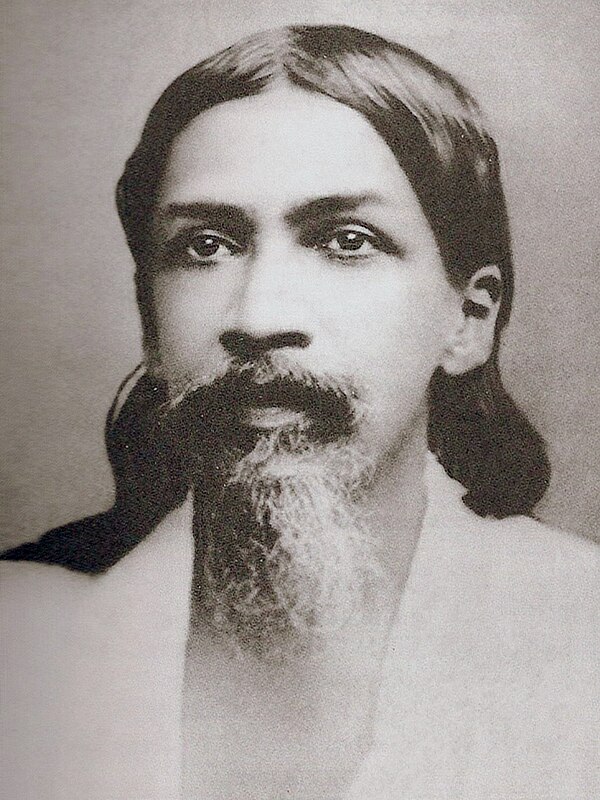
The Nourishment of Stillness: A Journey Beyond Passion
Sri Aurobindo's assertion that "Passion is the food of the lower nature; quietness is the food of the higher" invites us to explore the duality of our existence. At its core, this quote delineates a profound distinction between the tumultuous energies of our lower selves and the serene, elevated states of consciousness that arise from stillness. Understanding this dichotomy is essential for anyone seeking a deeper spiritual life, as it challenges us to examine the motivations behind our actions and the quality of our inner lives.
In a world that often glorifies passion—be it in the form of ambition, desire, or emotional intensity—Aurobindo's words serve as a gentle reminder of the value of quietude. This quietness is not merely the absence of noise but a rich, fertile ground for spiritual growth and self-realization. By recognizing the foods that nourish our various natures, we can begin to cultivate a life that aligns more closely with our higher aspirations, fostering a deeper connection to ourselves and the universe.
The image / the metaphor
The imagery in Aurobindo's quote is striking, as it evokes a sense of nourishment and sustenance. Passion, likened to food for the lower nature, suggests a kind of energy that is often chaotic and consuming, driving us toward external pursuits and desires. In contrast, quietness as food for the higher nature implies a nurturing, restorative quality that fosters inner peace and clarity. The verbs chosen—"is" and "food"—indicate a state of being and a source of sustenance, respectively, inviting us to consider what we are truly feeding within ourselves.
Diving deeper into this metaphor, we can see that the lower nature, characterized by passion, often leads to a cycle of craving and dissatisfaction. It is a hunger that is never fully satiated, always seeking more. Quietness, on the other hand, represents a state of fullness that arises from within, a profound contentment that does not depend on external circumstances. This contrast invites us to reflect on what we truly desire and how we can shift our focus from the fleeting to the enduring.
In the speaker's tradition
To fully appreciate Aurobindo's insight, we must situate it within the broader context of Hindu philosophy, particularly the concepts of dharma and prajna. Dharma, or one's duty and path in life, often requires a balance between the passions that drive us and the stillness that allows for reflection and wisdom. Prajna, or wisdom, emerges from a quiet mind, enabling us to discern our true purpose and align our actions with our higher selves. Aurobindo's teachings encourage us to cultivate this balance, recognizing that both passion and quietness have their place in our spiritual journey.
In his work "The Life Divine," Aurobindo elaborates on the transformative power of stillness, suggesting that it is through quiet contemplation that we can access deeper truths about ourselves and the universe. This aligns with the broader Hindu tradition, where practices such as meditation and yoga are designed to quiet the mind and connect us with our higher nature. By engaging in these practices, we can nourish our spiritual selves and transcend the limitations of our lower nature.
Living the teaching
Consider a modern scenario where the teaching of Aurobindo's quote might resonate: a busy professional caught in the whirlwind of deadlines and expectations. This individual may find themselves driven by passion—an intense desire to succeed, to be recognized, and to achieve. Yet, in the midst of this fervor, they may feel a sense of emptiness or disconnection. By consciously choosing moments of quietness—perhaps through meditation or simply stepping away from the chaos—they can begin to nourish their higher self, finding clarity and purpose beyond the relentless pursuit of external validation.
In a different context, imagine a relationship strained by emotional turbulence. One partner may be consumed by passion, reacting impulsively to perceived slights or misunderstandings. In contrast, the other may embody the quietness that Aurobindo speaks of, approaching conflicts with a calm demeanor and a willingness to listen. This dynamic illustrates how the nourishment of quietness can foster understanding and healing, allowing both individuals to transcend their lower natures and connect on a deeper level. By embracing stillness, they create a space for love and compassion to flourish.
A reflection
As we contemplate Aurobindo's profound words, we are invited to reflect on our own lives: What passions are we currently feeding, and how do they serve or hinder our higher aspirations? In moments of stillness, we can ask ourselves how we might cultivate a deeper sense of quietness, allowing it to nourish our spiritual journey. This inquiry not only deepens our understanding of ourselves but also opens the door to a more meaningful existence, one that aligns with the essence of who we truly are.