The Dance of Joy and Sorrow: Understanding the Soul's Journey
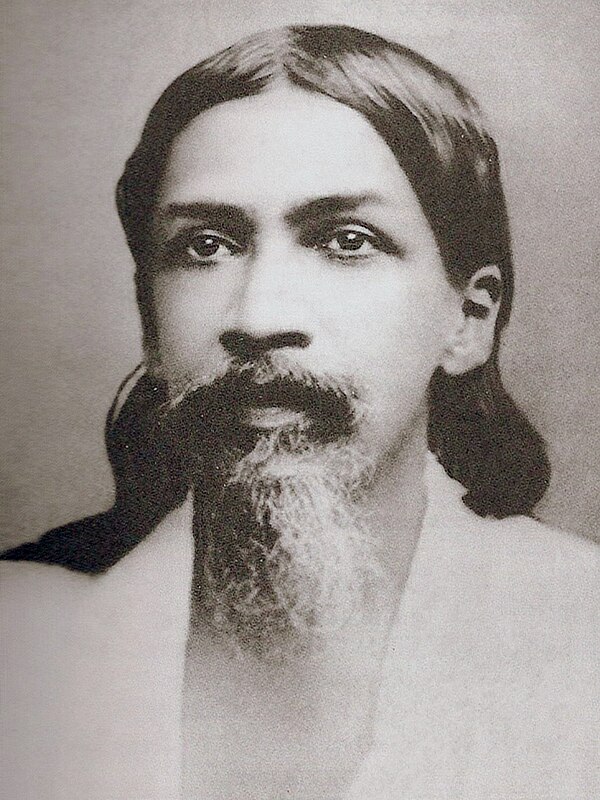
Sri Aurobindo's poignant assertion that "Joy is the soul's natural gait; sorrow is its limp" invites us to reflect on the intrinsic nature of our being. In this simple yet profound statement, he encapsulates the essence of human experience, suggesting that joy is not merely a fleeting emotion but rather the fundamental rhythm of the soul. Sorrow, in contrast, is depicted as a deviation from this natural state, a hindrance that impedes our spiritual progress. Understanding this dynamic is crucial for anyone seeking to navigate the complexities of life with a deeper sense of purpose and fulfillment.
At its core, this quote challenges us to reconsider our relationship with joy and sorrow. It implies that joy is not an external pursuit but an inherent quality of our soul, waiting to be realized. Conversely, sorrow is portrayed as an aberration, a condition that can weigh us down and distort our true essence. This perspective encourages us to cultivate joy as a way of being, rather than merely a response to external circumstances, thereby inviting a transformative approach to our emotional landscape.
The image / the metaphor
The imagery in Aurobindo's quote is striking, evoking a sense of movement and vitality. The word "gait" suggests a natural, fluid motion, reminiscent of a dancer gliding effortlessly across a stage. In contrast, the term "limp" conveys a sense of struggle and imbalance, evoking the image of someone hindered by an injury. This juxtaposition highlights the contrast between the ease of joy and the burden of sorrow, inviting us to consider how our emotional states influence our overall experience of life.
Diving deeper into the metaphor, we can see that Aurobindo is not merely speaking about joy and sorrow as emotions but as states of being that reflect our spiritual condition. Joy, as the soul's natural gait, signifies alignment with our true self, a state of harmony that allows us to navigate life's challenges with grace. Sorrow, on the other hand, represents a disconnection from this essence, a moment when we stumble and falter on our path. This metaphor serves as a reminder that our emotional experiences are not just personal but deeply connected to our spiritual journey.
In the speaker's tradition
To fully appreciate Aurobindo's insight, we must situate it within the broader context of Hindu philosophy. Concepts such as dharma, the moral order of the universe, and bhakti, the path of devotion, resonate with the idea that joy is aligned with our true purpose. In this tradition, joy is often seen as a reflection of our connection to the divine, while sorrow can arise from a disconnection from our dharma or a failure to recognize the divine presence in our lives. Aurobindo's perspective encourages us to embrace joy as a spiritual practice, a means of aligning ourselves with the greater cosmic order.
Moreover, Aurobindo's thoughts echo the teachings found in the Bhagavad Gita, where Krishna advises Arjuna to perform his duty without attachment to the fruits of his actions. This detachment fosters a sense of inner peace and joy, regardless of external circumstances. The Gita emphasizes that true fulfillment comes from aligning with one's higher self, a theme that resonates deeply with Aurobindo's assertion about the soul's natural gait. In both texts, the pursuit of joy is intertwined with the understanding of our spiritual responsibilities and the recognition of a greater purpose.
Living the teaching
Consider a modern scenario where this teaching can be applied: a professional facing the pressures of a demanding job. In such a context, one might feel overwhelmed by stress and anxiety, leading to a sense of sorrow that hampers productivity and creativity. By recognizing that joy is the soul's natural state, the individual can shift their focus from the burdens of work to the intrinsic joy of engaging in meaningful tasks. This shift in perspective allows for a more fulfilling work experience, where joy becomes a guiding force rather than a distant goal.
In relationships, the teaching can manifest in moments of conflict or misunderstanding. When faced with sorrow stemming from a disagreement, one might feel tempted to dwell on the negative emotions. However, by embracing the idea that joy is the soul's natural gait, individuals can approach the situation with a renewed sense of openness and compassion. This perspective encourages a dialogue rooted in understanding and connection, allowing the relationship to flourish even amidst challenges. By cultivating joy as a practice, we can transform our interactions and deepen our bonds with others.
A reflection
As we contemplate Sri Aurobindo's profound words, we are invited to reflect on our own experiences of joy and sorrow. How often do we allow ourselves to embrace joy as our natural state, and in what ways do we find ourselves limping through life under the weight of sorrow? This contemplation can serve as a powerful inquiry into our emotional landscape, prompting us to seek joy not as a fleeting emotion but as a fundamental aspect of our being. In this exploration, we may discover pathways to greater fulfillment and a deeper connection to our true selves.