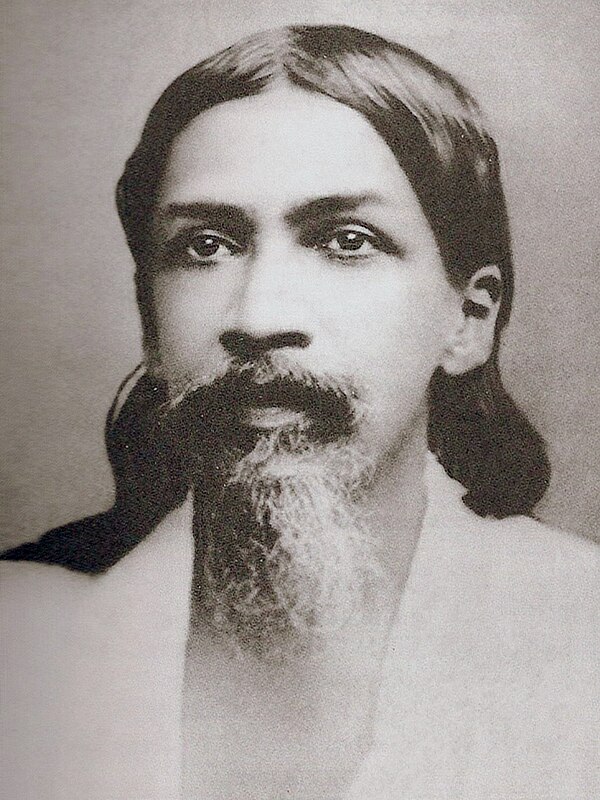
The Divine Whisper: Embracing Stillness for Inspired Action
Sri Aurobindo invites us into a profound state of stillness, urging us to allow the divine to express itself through our words and actions. In this gentle yet powerful call, he emphasizes that when we surrender to this inner quietude, our lives become a canvas for inspiration and righteousness. The stakes are high; in a world filled with noise and distraction, the ability to listen deeply to the divine voice within can transform our existence and the impact we have on others.
This call to stillness is not merely a suggestion but a vital practice for anyone seeking a deeper connection with their true self and the universe. In a society that often equates busyness with productivity, Aurobindo's wisdom serves as a reminder that true effectiveness arises not from frantic activity but from a serene alignment with the divine. By cultivating this stillness, we open ourselves to a flow of inspiration that transcends our limited understanding, allowing us to act in ways that resonate with a higher purpose.
The image / the metaphor
The imagery in Aurobindo's quote is rich and evocative. The phrase "be still" conjures a sense of tranquility, inviting us to pause and create space within ourselves. The act of letting the divine "speak through you" suggests a deep surrender, where our personal desires and ego are set aside to make room for a greater wisdom. The verbs chosen—"be still" and "let"—imply an active participation in the process of yielding, emphasizing that this is not a passive state but a conscious choice to engage with the divine.
Diving deeper into the metaphor, we can see that stillness is not merely the absence of noise but a profound inner calm that allows us to connect with our essence. It is in this sacred silence that we can hear the whispers of the divine, guiding us toward actions that are not only right but also inspired. This metaphor of stillness as a conduit for divine expression highlights the transformative power of surrender, suggesting that our most authentic selves emerge when we allow the divine to flow through us.
In the speaker's tradition
Within the context of Sri Aurobindo's spiritual philosophy, this call to stillness resonates deeply with concepts such as dharma and bhakti. Dharma, or the path of righteousness, is often obscured by the tumult of our thoughts and desires. Aurobindo's emphasis on surrendering to the divine aligns with the bhakti tradition, where devotion and love for the divine lead to a state of grace and clarity. This surrender is akin to the concept of kenosis in Christian mysticism, where one empties oneself to be filled with the divine presence.
Moreover, Aurobindo's teachings can be compared to the Buddhist notion of sunyata, or emptiness, which encourages letting go of attachments to discover the true nature of reality. In his work "Letters on Yoga," Aurobindo elaborates on the necessity of inner silence as a prerequisite for spiritual growth, asserting that only in this stillness can we truly discern the divine will. This connection to both Hindu and Buddhist traditions underscores the universality of the quest for inner peace and divine guidance.
Living the teaching
Consider a modern scenario where this teaching can be applied: a busy professional facing a critical decision at work. The pressure to perform can lead to hasty choices driven by anxiety and fear. However, if this individual takes a moment to embrace stillness—perhaps through meditation or mindful breathing—they create a space for clarity and inspiration. In that quietude, they may find the insight needed to approach the situation with wisdom, allowing the divine to guide their actions rather than being swept away by external demands.
Another application of this teaching can be found in personal relationships, particularly during conflicts. When emotions run high, it is easy to react impulsively, often exacerbating the situation. By practicing stillness, one can pause before responding, allowing the divine to inform their words and actions. This practice not only fosters understanding and compassion but also transforms the dynamic of the relationship, creating a space for healing and connection rather than discord.
A reflection
As we contemplate Aurobindo's profound invitation to stillness, we are left with a contemplative question: How can I cultivate moments of stillness in my daily life to allow the divine to guide my actions? This inquiry invites us to explore our routines and identify opportunities for quiet reflection, reminding us that in the stillness, we may discover the inspiration that leads to a more authentic and purposeful existence.