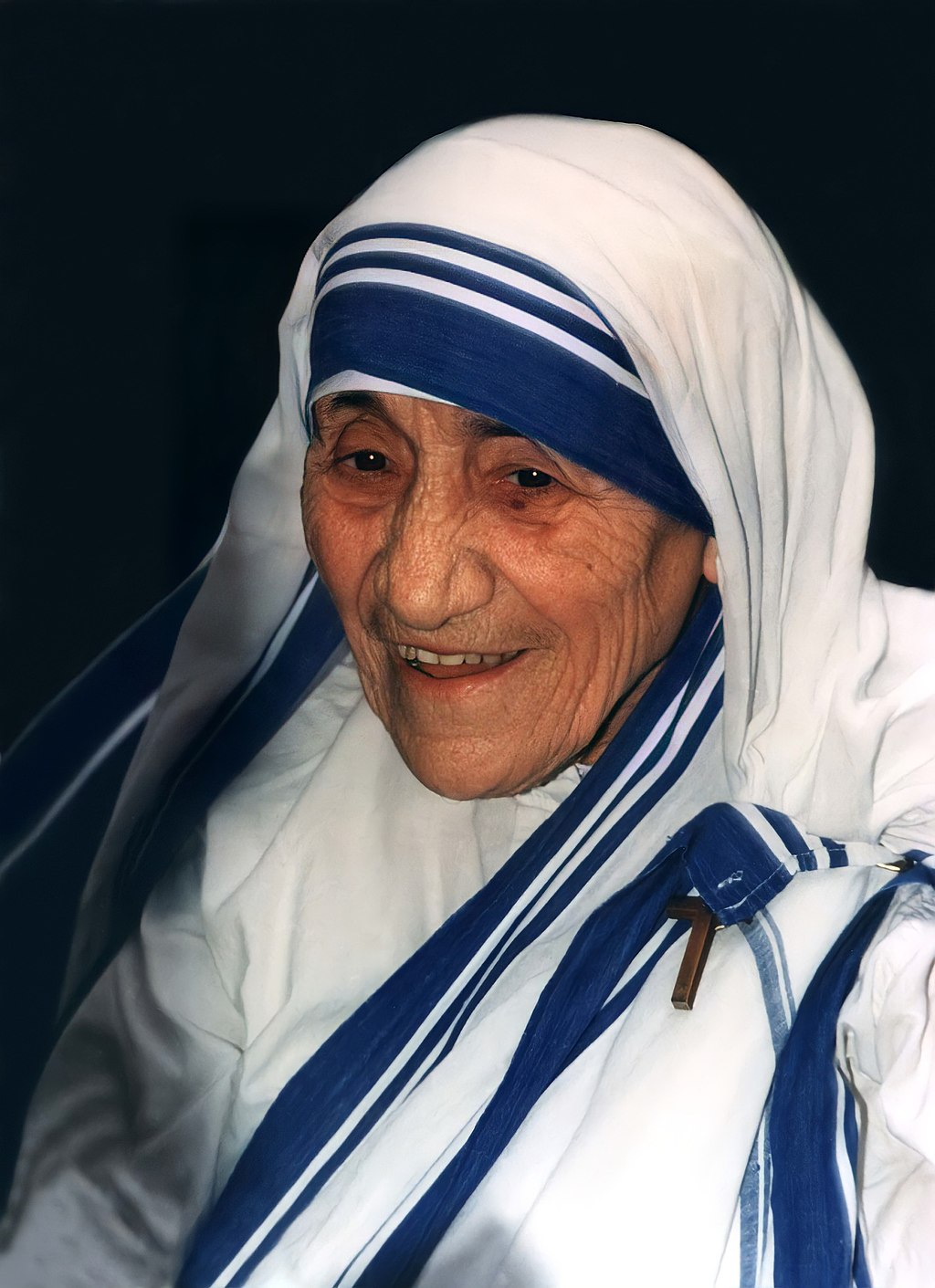
The Gift of Tears: A Pathway to Compassion
In her profound assertion, "Tears are the noblest gift to those in pain," Mother Teresa invites us to reconsider the role of our emotions, particularly tears, in the context of suffering. This statement suggests that tears, often seen as a sign of weakness or vulnerability, can instead be a powerful expression of empathy and solidarity with those who are enduring hardship. By framing tears as a gift, she elevates the act of crying into a sacred response, one that connects us deeply to the human experience of pain and suffering.
To understand the weight of this quote, we must delve into the nature of tears themselves. They are not merely a physiological response to grief or sorrow; they are a language of the heart, a visceral expression of our innermost feelings. In a world that often encourages emotional suppression, Mother Teresa's words remind us that to weep is to acknowledge our shared humanity. It is through this acknowledgment that we can forge deeper connections with others, transforming our tears into a bridge that links us to those who suffer.
The image / the metaphor
The imagery of tears as a "noble gift" evokes a sense of reverence and dignity. The choice of the word "noblest" suggests that tears possess an inherent value, elevating them beyond mere emotional release. This metaphor implies that in our moments of vulnerability, when we allow ourselves to cry, we are offering something precious to those who are suffering. It is an act of authenticity that transcends words, conveying compassion and understanding in a way that verbal communication often cannot.
Diving deeper into this metaphor, we can see that tears serve as a universal language, one that transcends cultural and linguistic barriers. They communicate a profound understanding of pain, allowing us to connect with others on a level that is often unspoken. In this sense, tears become a form of communion, a shared experience that fosters intimacy and solidarity. By embracing our tears, we not only honor our own emotions but also validate the experiences of those around us, creating a space where healing can begin.
In the speaker's tradition
Mother Teresa's perspective on tears is deeply rooted in the Christian tradition, which emphasizes compassion, empathy, and the importance of bearing one another's burdens. This aligns with the concept of kenosis, or self-emptying, where one willingly relinquishes their own needs to serve others. In this light, tears become an expression of kenosis, as they signify a willingness to enter into the pain of another, to share in their suffering, and to offer solace through our vulnerability.
Moreover, the Christian narrative is rich with examples of tears as a response to suffering. In the Gospel of John, we find the poignant moment when Jesus weeps at the tomb of Lazarus, illustrating that tears are not a sign of weakness but rather a profound expression of love and compassion. This biblical reference underscores the idea that tears can be a sacred response to the pain of others, inviting us to embrace our emotional responses as part of our spiritual journey.
Living the teaching
Consider a modern scenario where this teaching resonates: a friend has just lost a loved one. In this moment, the instinct may be to offer words of comfort or practical support. However, what if instead, you allowed yourself to cry alongside them? By sharing your tears, you create a space of mutual vulnerability, affirming their grief and demonstrating that they are not alone in their pain. This act of emotional solidarity can be a powerful balm, fostering healing and connection in a time of profound loss.
A reflection
As we contemplate Mother Teresa's assertion that "tears are the noblest gift to those in pain," we are invited to reflect on our own relationship with our emotions. How often do we allow ourselves to feel deeply, to cry openly, and to share our tears with others? In what ways can we embrace our vulnerability as a means of connecting with those who are suffering around us? This contemplation challenges us to consider the transformative power of tears, not only for ourselves but for the world in which we live.



Join the BrightStar Community
Stay connected with daily inspiration, event announcements, and community wisdom