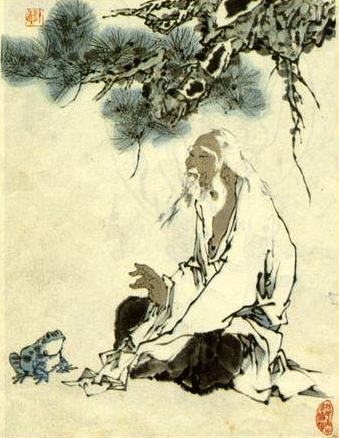
The Essence of Being: Emptiness and Conditions in Chuang Tzu's Wisdom
Chuang Tzu's poignant inquiry, "Without these conditions, where could a person be?" invites us to reflect on the intricate web of circumstances that shape our existence. This question resonates deeply within the fabric of Taoist philosophy, urging us to consider the interplay between our inner state and the external conditions that influence our lives. It beckons us to explore the nature of being, the significance of emptiness, and the essential conditions that allow us to experience life fully.
In a world often dominated by the pursuit of material success and rigid definitions of self, Chuang Tzu's words serve as a gentle reminder of the fluidity of existence. The conditions he refers to are not merely external circumstances but also encompass the internal landscapes of our minds and hearts. By acknowledging the transient nature of these conditions, we can cultivate a deeper understanding of our place in the universe and the interconnectedness of all things.
The image / the metaphor
At first glance, Chuang Tzu's quote evokes a sense of inquiry into the very essence of existence. The phrase "these conditions" suggests a multitude of factors—both seen and unseen—that contribute to our being. The use of the word "where" implies a spatial dimension, prompting us to consider not just physical locations but also emotional and spiritual states. In this way, the quote becomes a metaphorical lens through which we can examine the conditions that give rise to our experiences, illuminating the delicate balance between emptiness and fullness.
Diving deeper into the metaphor, we can perceive "conditions" as the myriad influences that shape our perceptions and actions. They encompass the relationships we nurture, the environments we inhabit, and the beliefs we hold. This understanding invites us to embrace the notion of emptiness—not as a void, but as a fertile ground for potential. In recognizing that our being is contingent upon these conditions, we open ourselves to the possibility of transformation and growth, allowing the ebb and flow of life to guide us.
In the speaker's tradition
Chuang Tzu's wisdom is deeply rooted in the tradition of Taoism, which emphasizes the importance of harmony with the natural world and the acceptance of life's inherent uncertainties. Central to this philosophy is the concept of sunyata, or emptiness, which suggests that all things are interconnected and that our identities are shaped by the conditions surrounding us. This perspective aligns with the idea of kenosis found in other spiritual traditions, where the act of emptying oneself allows for a fuller experience of being.
In the text of the Zhuangzi, we find numerous anecdotes that illustrate the fluidity of existence and the importance of adapting to changing conditions. One such story involves the transformation of a fish into a bird, highlighting the idea that our essence is not fixed but rather shaped by the circumstances we encounter. This narrative echoes the sentiment of Chuang Tzu's quote, reminding us that our being is a dynamic interplay of conditions that can lead to profound insights and experiences.
Living the teaching
Consider a modern scenario where an individual faces a significant life change, such as losing a job. Initially, this situation may evoke feelings of despair and uncertainty, as the individual grapples with the loss of stability. However, by reflecting on Chuang Tzu's teaching, they might begin to recognize that this condition, while challenging, also presents an opportunity for growth and reinvention. Embracing the emptiness left by the job loss can lead to new paths and possibilities, ultimately enriching their experience of being.
In the context of relationships, Chuang Tzu's insight can be equally transformative. Imagine a couple navigating a difficult period marked by misunderstandings and conflict. By acknowledging the conditions that contribute to their struggles—such as external stressors or unspoken expectations—they can cultivate a deeper understanding of each other. This awareness allows them to approach their relationship with compassion and openness, creating space for healing and connection. In this way, the teaching becomes a guiding principle for navigating the complexities of human interaction.
A reflection
As we contemplate Chuang Tzu's profound question, we are invited to explore the conditions that shape our own lives. What are the circumstances that influence your sense of self and your experiences? In what ways can embracing the concept of emptiness lead to a deeper understanding of your being? Allow these reflections to guide you toward a more nuanced appreciation of the interplay between your inner world and the external conditions that surround you.



Join the BrightStar Community
Stay connected with daily inspiration, event announcements, and community wisdom