The Dance of Reality and Illusion
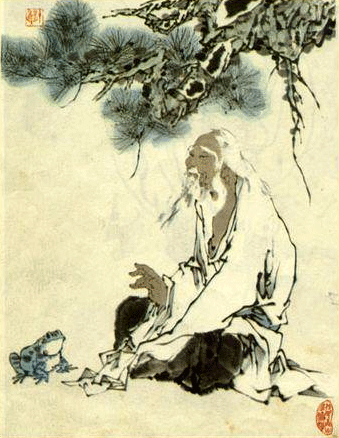
In the profound words of Chuang Tzu, we encounter a riddle of existence: "Suddenly I awaked, and there I lay, myself again. Now I do not know whether I was then a man dreaming I was a butterfly, or whether I am now a butterfly dreaming I am a man." This quote invites us to ponder the nature of reality and identity, challenging our perceptions of self and the world around us. The stakes are high, as this contemplation can lead us to a deeper understanding of our existence and the fluidity of our identities.
Chuang Tzu's reflection is not merely a whimsical thought; it is a profound inquiry into the essence of being. It beckons us to question the boundaries between the dream state and waking life, urging us to explore the layers of consciousness that shape our understanding of reality. In a world often dominated by rigid definitions and fixed identities, this quote serves as a gentle reminder that our perceptions may be as transient as dreams themselves.
The image / the metaphor
At first glance, Chuang Tzu's imagery evokes a vivid scene: a man awakening to find himself in a familiar yet perplexing state. The verbs "awaked" and "lay" suggest a transition from one state of being to another, emphasizing the fluidity of existence. The juxtaposition of the man and the butterfly creates a striking contrast, inviting us to consider the nature of transformation and the boundaries of identity. The butterfly, often a symbol of metamorphosis and beauty, represents the ephemeral nature of life, while the man embodies the search for permanence and understanding.
Delving deeper into the metaphor, we find that the butterfly's dream may symbolize the freedom of imagination and the limitless possibilities of existence. In contrast, the man's awakening signifies a return to a perceived reality, yet it is a reality that is inherently uncertain. This interplay between dreaming and waking life challenges us to reflect on our own experiences and the narratives we construct about ourselves. Are we, too, caught in a dream, unaware of the deeper truths that lie beneath the surface of our everyday lives?
In the speaker's tradition
Chuang Tzu's thoughts resonate deeply within the Taoist tradition, which emphasizes the interconnectedness of all things and the fluidity of existence. Central to Taoism is the concept of "wu wei," or effortless action, which encourages individuals to align themselves with the natural flow of life rather than resist it. This notion parallels the idea of "sunyata," or emptiness, found in Buddhist philosophy, which suggests that our identities and experiences are not fixed but rather transient and interdependent. Both traditions invite us to embrace the uncertainty of existence and to find peace in the ever-changing nature of reality.
In the text of the Zhuangzi, we find numerous anecdotes that illustrate the themes of transformation and the relativity of perception. One such story involves a fish who believes it is the most significant creature in the world, only to be reminded of the vastness of existence beyond its watery home. This narrative echoes Chuang Tzu's inquiry into the nature of identity, suggesting that our understanding of ourselves is often limited by our perspectives. By recognizing the fluidity of our identities, we can begin to transcend the confines of our own narratives and embrace a more expansive view of reality.
Living the teaching
Consider a modern scenario where this teaching might resonate: a person finds themselves caught in the grind of daily life, adhering to societal expectations and rigid definitions of success. They wake up each day, fulfilling roles and responsibilities, yet feel a persistent sense of disconnection from their true self. In this context, Chuang Tzu's quote serves as a gentle nudge to question the authenticity of their existence. Are they living a life that is genuinely theirs, or merely playing a part in a larger societal dream?
In relationships, this teaching can also illuminate the complexities of identity and connection. Imagine a couple navigating a difficult moment, where misunderstandings and assumptions cloud their communication. By embracing the idea that they may be "dreaming" their perceptions of each other, they can cultivate empathy and openness. This perspective encourages them to explore the deeper layers of their relationship, recognizing that their identities are not fixed but rather evolving in response to their shared experiences.
A reflection
As we contemplate Chuang Tzu's profound inquiry, we are invited to reflect on our own lives: Are we, too, caught in the web of our own dreams, unaware of the deeper truths that lie beneath the surface? What narratives do we construct about ourselves, and how might they limit our understanding of who we truly are? In this moment of contemplation, let us ask ourselves: What would it mean to awaken to the fluidity of our existence and embrace the beauty of transformation?



Join the BrightStar Community
Stay connected with daily inspiration, event announcements, and community wisdom