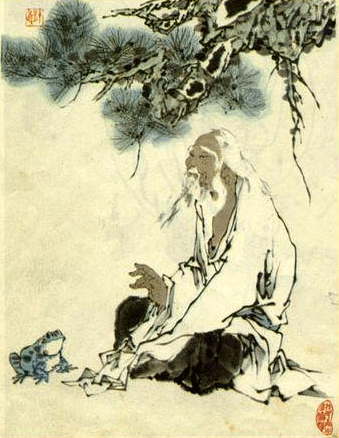
The Power of Will in Action
Chuang Tzu's assertion, "He who acts with vigor has will," invites us to consider the profound relationship between action and intention. In this succinct statement, he encapsulates a vital truth: that true will is not merely a passive desire but an active force that propels us into the world. This understanding is essential in a society that often equates willpower with sheer determination, overlooking the grace and fluidity inherent in genuine action. The stakes are high; recognizing this distinction can transform our approach to both personal aspirations and communal responsibilities.
Moreover, Chuang Tzu's wisdom encourages us to reflect on the nature of vigor itself. It is not simply about physical energy or relentless pursuit; rather, it embodies a harmonious alignment of mind, body, and spirit. This alignment allows us to act with authenticity and purpose, fostering a deeper connection to ourselves and the world around us. In a time when distractions abound and the pace of life quickens, understanding the essence of vigorous action can lead to a more fulfilling and meaningful existence.
The image / the metaphor
At first glance, the imagery in Chuang Tzu's quote evokes a sense of dynamism and strength. The word "acts" suggests movement, a departure from inertia, while "vigor" conveys a sense of vitality and enthusiasm. Together, these verbs create a vivid picture of an individual who is not merely existing but actively engaging with life. This engagement is not frantic or chaotic; rather, it is infused with intention and clarity, suggesting that true will is expressed through deliberate and spirited action.
Diving deeper into the metaphor, we can see that vigor represents more than just physical energy; it symbolizes a state of being that is fully present and engaged. In this light, will becomes a manifestation of our inner alignment with the Tao, the natural flow of the universe. When we act with vigor, we are not only asserting our will but also harmonizing with the greater rhythms of life. This interplay between action and the Tao reflects the essence of Taoist philosophy, where the act of living becomes a dance of balance and responsiveness.
In the speaker's tradition
Chuang Tzu's teachings are deeply rooted in the Taoist tradition, which emphasizes the importance of aligning oneself with the natural order of the universe. Concepts such as wu wei, or effortless action, resonate with the idea that true will is not about forceful striving but rather about flowing with the currents of life. This understanding of will as a dynamic interplay between intention and spontaneity invites us to reconsider our approach to personal goals and aspirations. In Taoism, the cultivation of will is often linked to the practice of mindfulness and awareness, allowing us to act with clarity and purpose.
In the text of the Zhuangzi, we find numerous anecdotes that illustrate the power of acting with vigor while remaining attuned to the Tao. For instance, the story of the "Useless Tree" highlights how embracing one's inherent nature leads to a life of fulfillment and ease. Just as the tree thrives by being true to itself, we too can find strength and purpose when we act in accordance with our authentic selves. This alignment fosters a sense of will that is both powerful and gentle, allowing us to navigate life's challenges with grace.
Living the teaching
Consider a modern scenario in which an individual faces a significant career decision. They may feel torn between the security of a stable job and the allure of pursuing a passion that ignites their spirit. In this moment, Chuang Tzu's teaching resonates profoundly. By acting with vigor—embracing the courage to explore their true desires—they can cultivate a sense of will that transcends mere practicality. This decision becomes not just a career move but a reflection of their authentic self, leading to a more fulfilling and vibrant life.
In relationships, the application of this teaching can be equally transformative. Imagine a couple navigating a challenging period in their partnership. By choosing to act with vigor—engaging in open communication, expressing vulnerability, and actively working towards understanding each other—they embody the essence of will. This commitment to action fosters a deeper connection, allowing both individuals to grow and evolve together. In these moments, the vigor of their actions becomes a testament to their shared will, reinforcing the bond that sustains their relationship.
A reflection
As we contemplate Chuang Tzu's words, we are invited to reflect on the nature of our own actions and intentions. Are we acting with vigor in our lives, or are we merely going through the motions? This contemplation encourages us to examine the alignment between our will and our actions. In what areas of your life can you infuse more vigor, and how might this shift your experience? Allow this question to guide you as you explore the depths of your own will and the vibrant possibilities that await.



Join the BrightStar Community
Stay connected with daily inspiration, event announcements, and community wisdom