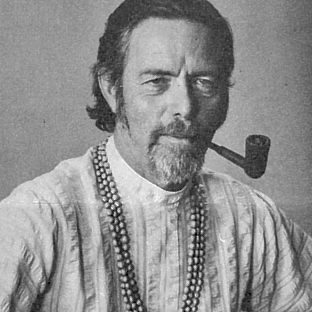
The Dance of Memory and Anticipation
Alan Watts's assertion that "Time exists because we have memory and anticipation" invites us to reflect on the very nature of our experience. In this statement, he suggests that our perception of time is intricately woven into the fabric of our consciousness, shaped by our ability to recall the past and envision the future. This perspective challenges the conventional understanding of time as a linear progression, urging us to consider how our mental faculties create the temporal landscape we navigate daily. The implications of this insight extend far beyond mere philosophical musings; they touch upon the essence of our existence and the way we relate to the world around us.
As we delve deeper into this quote, we begin to see that memory and anticipation are not just cognitive functions but are also deeply emotional and spiritual experiences. Memory connects us to our past, allowing us to learn, grow, and find meaning in our experiences. Anticipation, on the other hand, propels us forward, infusing our lives with hope and purpose. Together, these two elements form a bridge between what has been and what could be, shaping our understanding of time as a dynamic interplay rather than a static measure. This realization can lead to a profound shift in how we engage with our lives, encouraging us to cultivate presence and awareness in each moment.
The image / the metaphor
At its core, Watts's quote evokes a vivid image of time as a tapestry woven from the threads of memory and anticipation. The verbs "exist," "have," and "anticipation" suggest an active engagement with time, emphasizing that it is not merely a backdrop against which our lives unfold but rather a living, breathing entity shaped by our consciousness. The felt sense of this imagery is one of fluidity and interconnectedness, where past and future are not separate realms but rather part of a continuous flow that informs our present experience.
Diving deeper into the metaphor, we can see that memory acts as a reservoir of experiences, a rich source from which we draw insights and lessons. Anticipation, conversely, serves as a compass, guiding us toward our aspirations and desires. Together, they create a dynamic interplay that allows us to navigate the complexities of life. This understanding invites us to reconsider our relationship with time, urging us to embrace the present moment as a vital point of convergence between what has been and what is yet to come.
In the speaker's tradition
In his work, Watts often references the teachings of the Buddha, particularly the notion of impermanence. The recognition that all things are transient allows us to appreciate the fleeting nature of time and encourages us to live fully in each moment. This perspective is echoed in the Zen text "The Heart Sutra," which speaks to the emptiness of all phenomena, suggesting that our attachment to time as a fixed entity is a source of suffering. By understanding time through the lens of memory and anticipation, we can begin to dissolve the barriers that separate us from the richness of our present experience.
Living the teaching
Consider a modern scenario where this teaching might resonate: a busy professional caught in the relentless cycle of deadlines and responsibilities. In this context, the individual often finds themselves either ruminating on past mistakes or anxiously anticipating future challenges, leading to a sense of disconnection from the present moment. By embracing Watts's insight, they can begin to recognize how their memory and anticipation shape their experience of time, allowing them to cultivate mindfulness and presence in their daily activities. This shift can transform their relationship with work, fostering a sense of fulfillment and engagement rather than stress and overwhelm.
In a different application, imagine a relationship strained by misunderstandings and unspoken expectations. Here, memory may bring forth past grievances, while anticipation fuels fears about the future of the partnership. By acknowledging the interplay of memory and anticipation, both partners can learn to communicate more openly, grounding their interactions in the present moment. This practice of presence can foster deeper understanding and connection, allowing them to navigate their relationship with greater compassion and awareness.
A reflection
As we contemplate Watts's profound statement, we are invited to consider how our own memories and anticipations shape our experience of time. Are we allowing the weight of the past or the uncertainty of the future to overshadow the beauty of the present moment? In what ways can we cultivate a deeper awareness of our thoughts and feelings, embracing the richness of our experiences as they unfold? Reflecting on these questions can guide us toward a more mindful and fulfilling engagement with our lives.




Join the BrightStar Community
Stay connected with daily inspiration, event announcements, and community wisdom