The Art of Arrival: Embracing the Present Moment
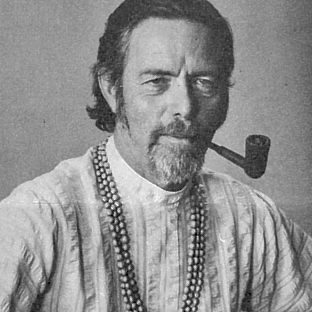
Alan Watts profoundly states, "There is no place to go. There is only here." This assertion invites us to reconsider our relentless pursuit of future goals and destinations, urging us instead to anchor ourselves in the present moment. In a world that often glorifies ambition and future planning, this wisdom serves as a gentle reminder that true fulfillment lies not in distant aspirations but in the richness of our current experience.
By emphasizing the importance of "here," Watts challenges the ingrained habit of seeking happiness in what lies ahead. This perspective is not merely a philosophical musing; it is a call to awaken to the immediacy of life as it unfolds. The invitation to be present is a radical act of self-acceptance, encouraging us to embrace our current circumstances, emotions, and surroundings without the incessant need to escape or transform them.
The image / the metaphor
At first glance, the quote presents a straightforward image: the idea that we are already where we need to be. The verbs "to go" and "to be" create a contrast that highlights the futility of our habitual longing for a different time or place. The phrase "there is only here" evokes a sense of grounding, suggesting that the present moment is not just a fleeting point in time but a vibrant space filled with potential and possibility.
In the speaker's tradition
Alan Watts, a prominent figure in the popularization of Eastern philosophy in the West, draws heavily from Zen Buddhism, which emphasizes the significance of presence and mindfulness. Concepts such as dharma, the natural order of the universe, and sunyata, or emptiness, resonate deeply with his assertion. In Zen, the present moment is seen as the only reality, and the distractions of the mind often lead us away from the truth of our existence. Watts' teaching aligns with the idea of kenosis, the self-emptying that allows for a fuller experience of life as it is.
In his work, Watts often references the teachings of Zen masters, such as D.T. Suzuki, who articulated the importance of being fully present. In "The Book," Watts echoes the sentiment found in Zen texts that emphasize the impermanence of life and the necessity of embracing each moment as it comes. This perspective aligns with the teachings of the Heart Sutra, which reminds us that form is emptiness and emptiness is form, inviting us to see the interconnectedness of all experiences in the here and now.
Living the teaching
Consider a modern scenario where this teaching can be applied: the experience of waiting in line at a coffee shop. Many of us might find ourselves impatiently checking our phones, mentally planning our day, or wishing to be anywhere but in that moment. By embracing Watts' wisdom, we can transform this mundane experience into an opportunity for mindfulness. Instead of resisting the wait, we can observe our surroundings, engage with our thoughts, or simply breathe deeply, allowing ourselves to fully inhabit the present.
In relationships, this teaching can manifest in profound ways. Imagine a moment of conflict with a loved one, where the urge to defend oneself or to think ahead to the resolution overshadows the current interaction. By grounding ourselves in the present, we can listen deeply, acknowledge our feelings, and respond with compassion rather than reaction. This practice of presence fosters deeper connections and understanding, allowing love to flourish in the space of "here."
A reflection
As we contemplate the essence of Watts' quote, we are invited to reflect on our own relationship with the present moment. What does it mean for you to truly arrive in the here and now? Consider the ways in which you might be seeking fulfillment in future aspirations or distractions, and ask yourself how you can cultivate a deeper awareness of the richness that exists in your current experience.



Join the BrightStar Community
Stay connected with daily inspiration, event announcements, and community wisdom