The Dance of Effortlessness: Embracing the Tao
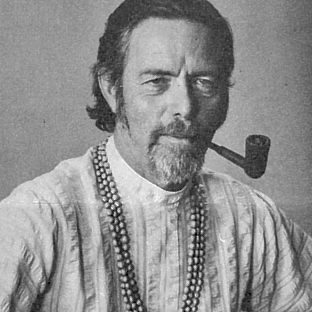
Alan Watts encapsulates a profound paradox in his statement, "The Tao does nothing, yet leaves nothing undone." This quote invites us to explore the essence of action and inaction, urging us to reconsider our relationship with effort and achievement. In a world that often equates busyness with productivity, Watts offers a refreshing perspective that challenges conventional notions of success and control. Understanding this teaching is essential for those seeking a deeper connection with the flow of life and the natural order of existence.
At its core, this quote speaks to the principle of wu-wei, or "non-action," a central tenet in Taoist philosophy. It suggests that true effectiveness arises not from relentless striving but from aligning ourselves with the natural rhythms of the universe. This idea resonates deeply in our contemporary lives, where the pressure to constantly perform can lead to stress and disconnection. By embracing the wisdom of the Tao, we can cultivate a sense of ease and harmony, allowing us to navigate life's complexities with grace and intention.
The image / the metaphor
The imagery in Watts's quote evokes a sense of fluidity and effortless movement, akin to a river flowing smoothly along its course. The phrase "does nothing" suggests a state of being that transcends the frenetic activity often associated with human endeavor. In this context, "nothing undone" implies that even in stillness, there is a profound completeness, a wholeness that exists beyond our conscious efforts. This paradoxical relationship between action and inaction invites us to reconsider how we engage with the world around us.
In the speaker's tradition
Alan Watts, a prominent interpreter of Eastern philosophy for Western audiences, draws heavily from the traditions of Taoism and Zen Buddhism. Within this framework, concepts such as dharma, or the natural order of things, and sunyata, or emptiness, resonate with the essence of wu-wei. The interplay of these ideas reveals a profound understanding of existence, where the self is seen as an integral part of the greater whole. Watts's teachings encourage us to embrace the interconnectedness of all life, recognizing that our actions are not separate from the world around us.
In his work, "The Watercourse Way," Watts elaborates on the idea that the Tao is not a rigid doctrine but a fluid, dynamic process. He draws parallels between the Tao and the concept of kenosis in Christian mysticism, which speaks to the self-emptying of one's will to allow for divine action. This comparison highlights the universal nature of these teachings, suggesting that the essence of surrender and trust transcends cultural boundaries. By exploring these connections, we gain a richer understanding of how the Tao operates within our lives.
Living the teaching
Consider a modern scenario where the principle of wu-wei can be applied: a busy professional facing overwhelming deadlines. In this situation, the instinct may be to work harder, push through the fatigue, and exert control over every aspect of the project. However, by embracing the teaching of the Tao, one might instead step back, assess the situation, and allow for moments of rest and reflection. This shift in approach can lead to greater clarity and creativity, ultimately resulting in a more effective and fulfilling outcome.
In the realm of relationships, the wisdom of the Tao can also be transformative. Imagine a conflict arising between two friends, each determined to assert their perspective. By practicing wu-wei, one might choose to listen deeply and allow the conversation to unfold naturally, rather than forcing a resolution. This approach fosters understanding and connection, demonstrating that sometimes the most powerful action is to simply be present and open to the flow of dialogue. In both personal and professional contexts, the teachings of the Tao encourage us to cultivate patience and trust in the unfolding of life.
A reflection
As we contemplate the depth of Watts's quote, we may ask ourselves: In what areas of my life am I striving too hard, and how might I embrace a more effortless approach? This question invites us to reflect on our relationship with effort and control, encouraging us to explore the possibility of surrendering to the natural flow of existence. By engaging with this inquiry, we can begin to uncover the subtle ways in which the Tao operates in our lives, guiding us toward a more harmonious and fulfilling experience.



Join the BrightStar Community
Stay connected with daily inspiration, event announcements, and community wisdom