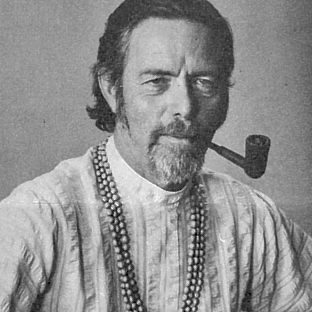
The Essence of Now: Embracing Reality in Every Moment
Alan Watts succinctly states, "Reality is what is. Now." This profound assertion invites us to recognize the immediacy of existence, urging us to embrace the present moment as the only true reality. In a world often clouded by distractions and future anxieties, Watts challenges us to confront the essence of our being, emphasizing that the present is not merely a fleeting moment but the very foundation of our experience. Understanding this can transform our perception of life, allowing us to engage more deeply with the world around us.
To grasp the weight of Watts's words, we must consider the implications of living in a state of perpetual distraction. The past and future often dominate our thoughts, leading us to overlook the richness of the present. By asserting that reality exists only in the now, Watts invites us to cultivate a mindful awareness that can ground us in our experiences. This perspective not only enhances our appreciation of life but also fosters a sense of peace and clarity that is often elusive in our fast-paced society.
The image / the metaphor
At first glance, the quote presents a straightforward declaration about the nature of reality. The phrase "what is" evokes a sense of acceptance, urging us to acknowledge our current circumstances without judgment or resistance. The word "now" serves as a powerful reminder that the present moment is the only time we can truly experience life. This imagery encapsulates the essence of existence, suggesting that reality is not a distant concept to be grasped but a living, breathing experience to be engaged with fully.
In the speaker's tradition
Alan Watts, a prominent figure in the exploration of Eastern philosophy, draws heavily from Zen Buddhism in his teachings. Central to this tradition is the concept of "sunyata," or emptiness, which suggests that our perceptions of reality are often clouded by preconceived notions and attachments. By embracing the idea that "reality is what is," Watts aligns himself with the Zen practice of direct experience, encouraging us to let go of our mental constructs and engage with life as it truly is. This perspective is also echoed in the Buddhist concept of "dharma," which emphasizes living in accordance with the natural order of things.
In his work, Watts often references the teachings of Zen masters, who emphasize the importance of presence and awareness. For instance, in "The Book," he explores the idea that enlightenment is not a distant goal but a realization of our inherent nature in the present moment. This aligns with the Zen practice of "zazen," or seated meditation, where practitioners cultivate mindfulness and awareness of their thoughts and sensations, ultimately leading to a deeper understanding of reality as it is.
Living the teaching
Consider a modern scenario where the teaching of "reality is what is. Now" can be applied: imagine a busy professional overwhelmed by deadlines and responsibilities. In this state, it is easy to become consumed by worries about the future or regrets about the past. However, by consciously redirecting attention to the present moment—taking a deep breath, feeling the sensations in the body, or observing the environment—this individual can cultivate a sense of calm and clarity. This practice of grounding oneself in the now can transform stress into a more manageable experience, allowing for greater focus and creativity.
Another application of this teaching can be found in relationships. Often, we find ourselves preoccupied with past grievances or future expectations, which can cloud our interactions with loved ones. By embracing the essence of "now," we can approach our relationships with a fresh perspective, fully engaging with our partners, friends, or family members in the present moment. This practice fosters deeper connections and understanding, allowing us to appreciate the richness of our shared experiences without the weight of past misunderstandings or future anxieties.
A reflection
As we contemplate Alan Watts's assertion that "reality is what is. Now," we are invited to reflect on our own relationship with the present moment. How often do we find ourselves lost in thoughts of what has been or what might be, neglecting the beauty and richness of the now? In this light, consider this contemplative question: What would it mean for you to fully embrace the present moment in your daily life, letting go of distractions and judgments? Allow this inquiry to guide you toward a deeper understanding of your own reality.



Join the BrightStar Community
Stay connected with daily inspiration, event announcements, and community wisdom