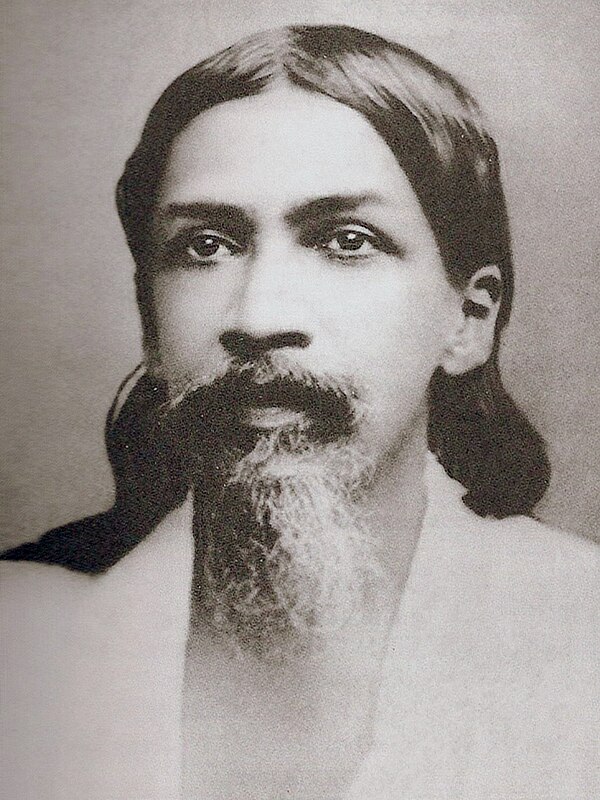
Becoming Divine: The Journey of Our True Nature
In the profound assertion, "We are sons of God and must be even as he," Sri Aurobindo invites us to recognize our inherent divinity and the imperative to embody that essence in our lives. This statement is not merely a theological claim but a call to action, urging us to transcend our limitations and embrace our higher selves. The stakes are high; understanding and living this truth can transform our existence, leading us toward a life of purpose, connection, and spiritual fulfillment.
To be "even as he" suggests a dynamic process of becoming, a journey toward the divine that is both personal and universal. It emphasizes that our identity is not fixed but rather an evolving expression of the divine potential within us. This journey requires introspection, courage, and a commitment to growth, as we navigate the complexities of life while striving to align ourselves with the divine qualities that Sri Aurobindo speaks of. In this light, the quote serves as both a reminder of our true nature and a challenge to live in accordance with it.
The image / the metaphor
The imagery in Sri Aurobindo's quote evokes a sense of familial connection to the divine, suggesting that we are not merely creations of God but rather his offspring, imbued with the same essence. The term "sons of God" implies a deep, intrinsic relationship that carries both privilege and responsibility. The verbs "must be" indicate an active, ongoing process, highlighting that becoming divine is not a passive state but a conscious choice that requires effort and dedication.
Diving deeper into the metaphor, we can see that this call to "be even as he" is an invitation to embody divine qualities such as love, compassion, wisdom, and strength. It suggests that our journey is not just about personal enlightenment but also about contributing to the collective evolution of humanity. In this sense, the quote serves as a guiding light, illuminating the path toward a more profound understanding of ourselves and our interconnectedness with all beings.
In the speaker's tradition
Within the context of Sri Aurobindo's teachings, this quote resonates with key Hindu concepts such as dharma, the moral order that governs individual and collective existence, and bhakti, the path of devotion that fosters a deep connection with the divine. The idea of becoming divine aligns with the notion of kenosis, or self-emptying, where one relinquishes the ego to allow the divine to manifest fully. This transformative process is echoed in the teachings of the Upanishads, which emphasize the unity of the individual soul (Atman) with the universal spirit (Brahman).
Moreover, Aurobindo's vision of spiritual evolution can be found in his work "The Life Divine," where he articulates the concept of the evolution of consciousness. He posits that humanity is on a journey toward a higher state of being, where the divine potential within each individual can be realized. This aligns with the teachings of other spiritual traditions that emphasize the importance of self-realization and the pursuit of a higher truth, inviting us to explore the depths of our own existence.
Living the teaching
Consider a modern scenario where this teaching can be applied: a workplace environment filled with competition and stress. In such a setting, recognizing ourselves as "sons of God" can shift our perspective from one of rivalry to one of collaboration. By embodying qualities such as empathy and integrity, we can create a more harmonious atmosphere that encourages growth and mutual support. This transformation not only enhances our professional relationships but also fosters a sense of community and shared purpose.
In a more personal context, think about a challenging relationship, perhaps with a family member or close friend. The call to "be even as he" invites us to respond with love and understanding, even in moments of conflict. By striving to embody divine qualities, we can break cycles of negativity and foster healing. This practice of compassion and forgiveness not only enriches our relationships but also deepens our connection to our own divine nature, reinforcing the idea that we are all interconnected expressions of the same source.
A reflection
As we contemplate Sri Aurobindo's profound statement, we are invited to reflect on our own lives: In what ways can we embody our divine nature more fully? This question encourages us to explore our thoughts, actions, and relationships, prompting a deeper inquiry into how we can live in alignment with our highest selves. By engaging with this contemplation, we open ourselves to the possibility of transformation, allowing the divine light within us to shine more brightly in the world.





Join the BrightStar Community
Stay connected with daily inspiration, event announcements, and community wisdom