The Journey of Becoming: Embracing Our Transitional Nature
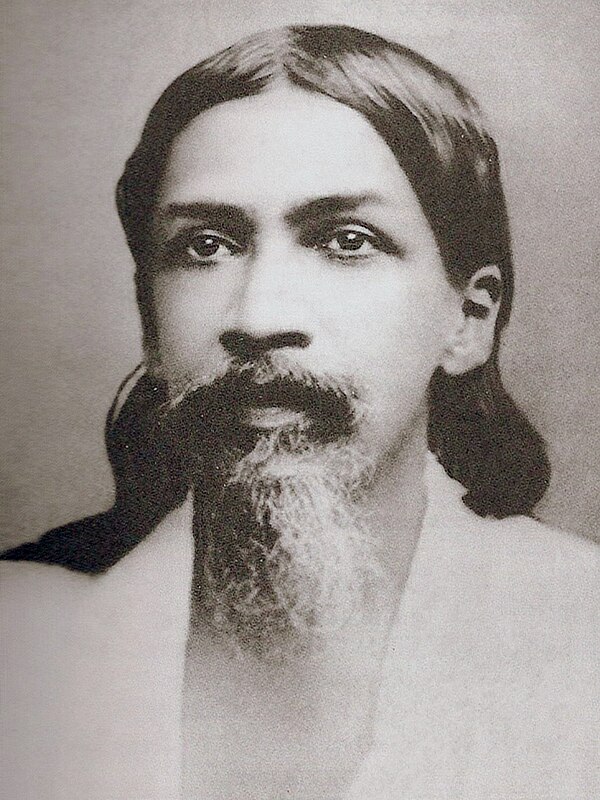
Sri Aurobindo's assertion that "Man is a transitional being. He is not final" invites us to reflect on the essence of human existence as a continuous journey rather than a static state. This profound insight challenges the notion of finality in our lives, urging us to recognize that we are perpetually evolving, shaped by our experiences, aspirations, and the unfolding of consciousness. Understanding this perspective is crucial, as it encourages us to embrace change and growth, fostering a deeper connection with our true selves and the universe.
In a world that often emphasizes fixed identities and definitive outcomes, Aurobindo's words serve as a reminder that our lives are not merely a series of achievements or failures but rather a dynamic process of becoming. This perspective invites us to cultivate a mindset of openness and curiosity, allowing us to navigate the complexities of life with grace and resilience. By acknowledging our transitional nature, we can find meaning in our struggles and triumphs, recognizing that each moment contributes to our ongoing evolution.
The image / the metaphor
The imagery in Aurobindo's quote evokes a sense of fluidity and transformation. The term "transitional being" suggests a state of flux, where the essence of humanity is not confined to a singular identity or endpoint. Instead, it implies a journey marked by growth, learning, and the constant shedding of old layers to reveal new possibilities. The choice of the verb "is" emphasizes the present reality of our existence, while "not final" opens the door to infinite potential, inviting us to explore the depths of our being.
Diving deeper into the metaphor, we can envision life as a river, ever-flowing and changing course, rather than a stagnant pond. This perspective encourages us to embrace the currents of our experiences, recognizing that each twist and turn shapes us in profound ways. Just as a river carves its path through the landscape, we too are sculpted by our choices, relationships, and the challenges we face. In this light, the journey of becoming becomes a sacred pilgrimage, where each moment is an opportunity for growth and transformation.
In the speaker's tradition
Sri Aurobindo's insights are deeply rooted in the rich tapestry of Hindu philosophy, where the concepts of dharma and evolution play pivotal roles. Dharma, often translated as duty or righteousness, underscores the importance of living in alignment with one's true nature and purpose. In this context, Aurobindo's notion of being a transitional being resonates with the idea of spiritual evolution, where individuals are called to transcend their limitations and realize their divine potential. This journey of becoming is not merely personal; it is a collective evolution of consciousness that reflects the interconnectedness of all beings.
Moreover, Aurobindo's perspective can be likened to the concept of kenosis, or self-emptying, found in various spiritual traditions. Just as one must let go of the ego to embrace a higher state of being, Aurobindo invites us to relinquish our attachment to fixed identities. In his seminal work, "The Life Divine," he elaborates on the evolution of consciousness, suggesting that humanity is on the brink of a new awakening, where the divine potential within each individual can be realized. This transformative journey is not only personal but also a collective movement towards a higher state of existence.
Living the teaching
Consider a modern scenario where an individual faces a significant career transition. Perhaps they have been laid off from a job they held for years, leaving them feeling lost and uncertain about their future. In this moment of upheaval, Aurobindo's teaching on being a transitional being can provide solace and guidance. Instead of viewing this experience as a setback, they can embrace it as an opportunity for growth and self-discovery. By recognizing that their identity is not solely tied to their profession, they can explore new passions, develop new skills, and ultimately emerge stronger and more aligned with their true self.
A reflection
As we contemplate Aurobindo's assertion that "Man is a transitional being. He is not final," we are invited to reflect on our own journeys of becoming. What aspects of your life feel stagnant or fixed? How might embracing your transitional nature open new pathways for growth and transformation? In this moment of introspection, consider the ways in which you can cultivate a mindset of openness, allowing the currents of life to guide you toward your highest potential.





Join the BrightStar Community
Stay connected with daily inspiration, event announcements, and community wisdom