The Unyielding Flow of Existence
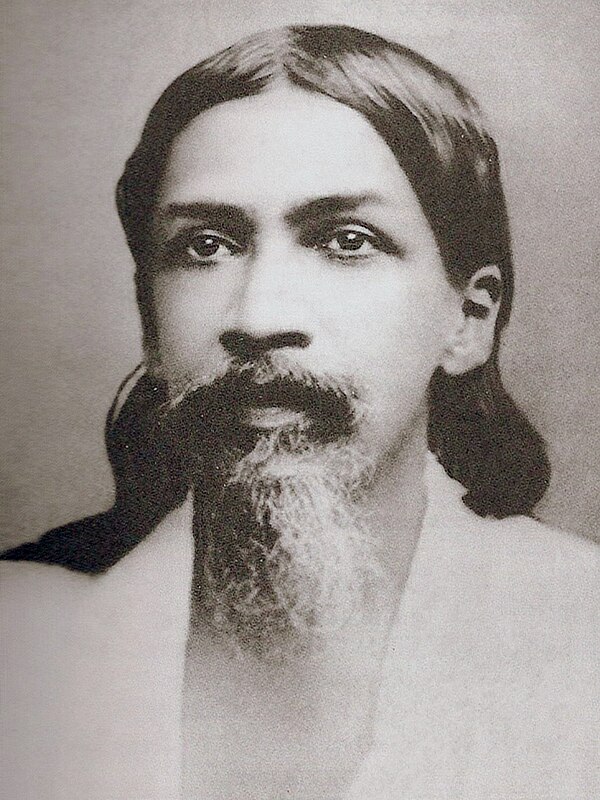
In the profound words of Sri Aurobindo, "Life cannot be cancelled; it can only be transformed." This statement encapsulates a fundamental truth about the human experience: while we may face challenges that seem insurmountable, the essence of life persists, urging us toward transformation rather than despair. The stakes of this realization are high; it invites us to embrace change as an inherent aspect of our journey, rather than viewing it as a series of setbacks. Understanding this perspective can empower us to navigate the complexities of existence with grace and resilience.
Transformation, as Aurobindo suggests, is not merely a passive acceptance of life's circumstances but an active engagement with them. This notion resonates deeply within the spiritual landscape, where the idea of metamorphosis is often celebrated as a pathway to higher consciousness. To acknowledge that life cannot be cancelled means to recognize the continuity of our experiences, urging us to seek meaning and growth even in the face of adversity. This perspective invites us to explore the depths of our being, fostering a sense of hope and possibility that transcends the immediate challenges we encounter.
The image / the metaphor
At the heart of Aurobindo's quote lies a rich tapestry of imagery that evokes the dynamic nature of life itself. The verb "transformed" suggests a process of change that is both organic and inevitable, akin to the metamorphosis of a caterpillar into a butterfly. This imagery evokes a sense of movement, growth, and evolution, highlighting the idea that life is not a static entity but a fluid journey marked by continuous development. The notion of cancellation, on the other hand, implies an abrupt end, a negation of existence that is ultimately impossible in the grand scheme of the universe.
Diving deeper into the metaphor, we can see that transformation is not merely about superficial change; it speaks to the profound shifts that occur within us as we navigate life's trials. Just as a seed must break open to sprout and grow, we too must undergo a process of breaking down old patterns and beliefs to emerge anew. This transformative journey often requires us to confront our fears and limitations, allowing us to cultivate a deeper understanding of ourselves and our place in the world. In this light, Aurobindo's words serve as a reminder that every challenge we face is an opportunity for growth, urging us to embrace the transformative power inherent in our experiences.
In the speaker's tradition
To fully appreciate Aurobindo's perspective, we must situate it within the broader context of Hindu philosophy, where the concepts of dharma and transformation are deeply intertwined. Dharma, often understood as one's duty or righteous path, emphasizes the importance of aligning our actions with the greater cosmic order. In this sense, transformation becomes an essential aspect of fulfilling our dharma, as we learn to adapt and grow in response to the ever-changing circumstances of life. This alignment with the divine flow of existence encourages us to see challenges not as obstacles but as integral components of our spiritual journey.
Furthermore, Aurobindo's ideas resonate with the concept of kenosis, or self-emptying, found in various spiritual traditions. This notion invites us to let go of our preconceived notions and attachments, allowing space for transformation to occur. In his seminal work, "The Life Divine," Aurobindo explores the interplay between the material and spiritual realms, suggesting that true transformation arises from a deep engagement with both. By embracing the fullness of our experiences, we can transcend the limitations of our current selves and embark on a journey toward higher consciousness.
Living the teaching
Consider a modern scenario in which an individual faces a significant career setback, such as being laid off from a job. Initially, this experience may evoke feelings of despair and uncertainty, leading one to question their worth and future prospects. However, if we apply Aurobindo's teaching, we can reframe this situation as an opportunity for transformation. Rather than viewing the layoff as a cancellation of one's professional identity, it can be seen as a catalyst for exploring new paths, developing new skills, or even pursuing a long-held passion that had been set aside. This shift in perspective allows for a more constructive engagement with life's challenges, fostering resilience and creativity.
In the realm of relationships, Aurobindo's teaching can also illuminate the process of navigating conflict. Imagine a couple facing a significant disagreement that threatens to unravel their bond. Instead of viewing this conflict as a sign of failure or an irreparable rift, they can embrace it as an opportunity for transformation. By engaging in open communication and vulnerability, they can uncover deeper truths about themselves and each other, ultimately strengthening their connection. This approach underscores the idea that even the most challenging moments can lead to profound growth and understanding, reinforcing the notion that life, in all its complexity, is a continuous journey of transformation.
A reflection
As we contemplate Aurobindo's assertion that "Life cannot be cancelled; it can only be transformed," we are invited to reflect on our own experiences of change and growth. What challenges have you faced that initially felt insurmountable, yet ultimately led to a deeper understanding of yourself? In what ways can you embrace the transformative power of your experiences, allowing them to guide you toward a more authentic and fulfilling existence? These questions encourage us to engage with our lives thoughtfully, recognizing that every moment holds the potential for transformation.





Join the BrightStar Community
Stay connected with daily inspiration, event announcements, and community wisdom