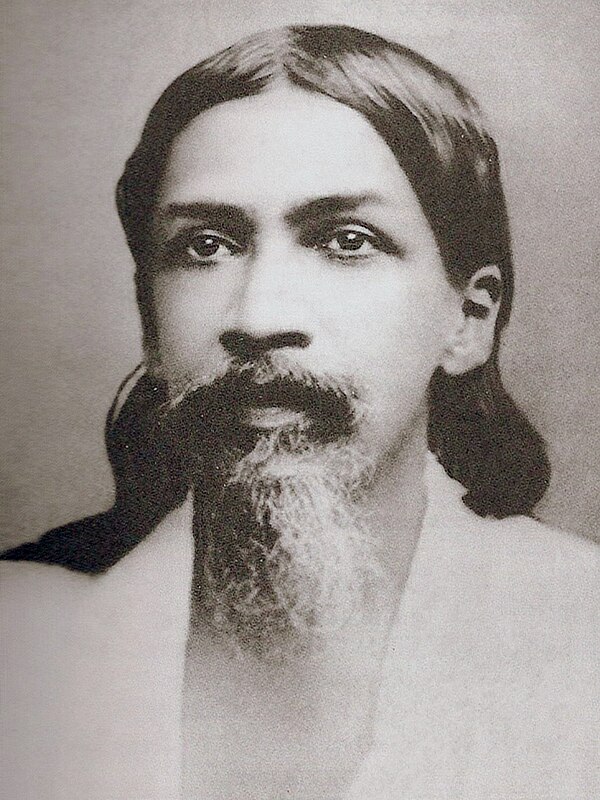
The Art of Equanimity: Embracing Life's Dualities
In the profound words of Sri Aurobindo, we are invited to "bear all that is given you with equality; rejoice in nothing, despair in nothing." This call to equanimity challenges us to navigate the complexities of life with a balanced heart and mind, regardless of external circumstances. The stakes are high; in a world rife with fluctuations of joy and sorrow, the ability to maintain inner peace becomes a sanctuary for the spirit. This teaching resonates deeply in our contemporary lives, where emotional turbulence often dictates our sense of well-being.
To embrace this wisdom is to recognize the transient nature of our experiences. Aurobindo’s exhortation encourages us to cultivate a state of acceptance that transcends mere resignation. It is not about suppressing emotions or adopting a stoic facade; rather, it is an invitation to engage with life fully while remaining anchored in a deeper sense of self. This balance allows us to experience the richness of life without becoming ensnared by its inevitable ups and downs, fostering a profound resilience that is both liberating and transformative.
The image / the metaphor
At the heart of Aurobindo's quote lies a vivid imagery of balance and acceptance. The verbs "bear," "rejoice," and "despair" evoke a spectrum of human experience, suggesting a dynamic interplay between joy and sorrow. To "bear" implies a sense of endurance and strength, while "rejoice" and "despair" capture the emotional highs and lows that color our existence. This triad of actions invites us to witness our experiences without being swept away by them, cultivating a sense of inner stability amidst the chaos of life.
Diving deeper into the metaphor, we can envision life as a vast ocean, where waves of joy and sorrow rise and fall. Aurobindo’s teaching encourages us to become like the steadfast lighthouse, illuminating the path without being overwhelmed by the stormy seas. This imagery of equanimity serves as a reminder that while we may experience the ebbs and flows of emotion, our true essence remains unshaken, allowing us to navigate life’s tumultuous waters with grace and clarity.
In the speaker's tradition
Sri Aurobindo's philosophy is deeply rooted in the rich tapestry of Hindu thought, where concepts such as dharma, the righteous path, and kenosis, the self-emptying of the soul, resonate with his teachings on equanimity. The notion of sunyata, or emptiness, further complements this understanding, suggesting that true peace arises when we release our attachments to outcomes and embrace the present moment. In this context, Aurobindo’s call to rejoice in nothing and despair in nothing reflects a profound understanding of the impermanence of all things, echoing the teachings found in the Bhagavad Gita, where the importance of maintaining equanimity in the face of dualities is emphasized.
In the Gita, Lord Krishna advises Arjuna to perform his duty without attachment to the fruits of his actions, a sentiment that aligns closely with Aurobindo’s message. This teaching encourages a life of action rooted in selflessness, where one engages fully with the world while remaining detached from the results. Such wisdom invites us to cultivate a deeper understanding of our place in the universe, fostering a sense of unity with all beings and experiences.
Living the teaching
Consider a modern scenario where this teaching can be applied: a professional facing the uncertainty of job security. In such a situation, the emotional rollercoaster of hope and despair can be overwhelming. By embracing Aurobindo’s wisdom, one can learn to navigate this uncertainty with a sense of equanimity, recognizing that both the highs of potential success and the lows of fear are transient. This perspective allows for a more grounded approach to challenges, fostering resilience and clarity in decision-making.
Another application of this teaching can be found within personal relationships, particularly during conflicts. When faced with disagreements, the instinct may be to react with frustration or despair. However, by embodying the principle of bearing all with equality, one can approach the situation with a calm heart, seeking understanding rather than division. This practice not only nurtures healthier communication but also deepens the connection between individuals, allowing love and compassion to flourish even amidst discord.
A reflection
As we contemplate Sri Aurobindo's profound invitation to "bear all that is given you with equality; rejoice in nothing, despair in nothing," we are called to reflect on our own lives. In what areas do we find ourselves overly attached to joy or burdened by despair? This contemplation invites us to explore the possibility of cultivating a more balanced approach to our experiences, fostering a sense of peace that transcends the fluctuations of life. How might embracing this teaching transform our relationship with ourselves and the world around us?






Join the BrightStar Community
Stay connected with daily inspiration, event announcements, and community wisdom