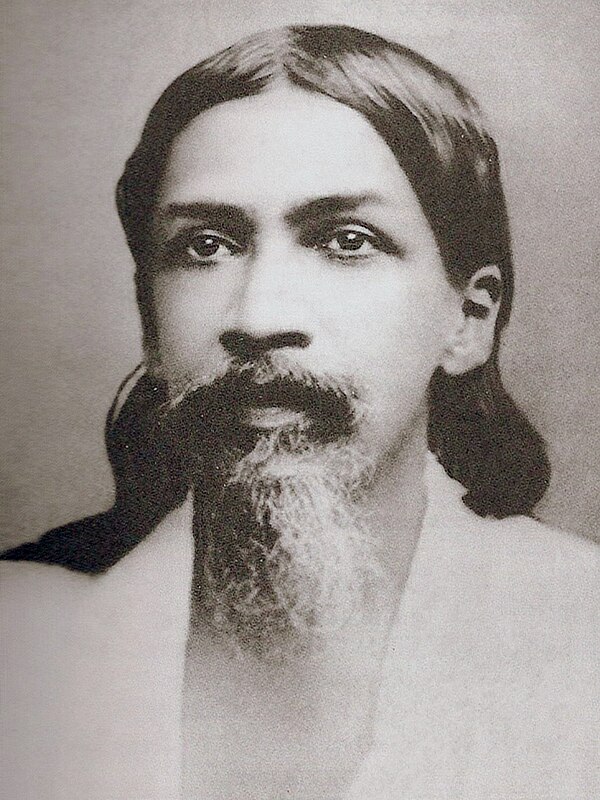
The Journey of Becoming: Embracing Life's Struggle
In the profound words of Sri Aurobindo, "All birth is a becoming; all life is a struggle to become." This statement encapsulates the essence of existence as a continuous process of transformation and evolution. It invites us to reflect on the nature of our lives, suggesting that each moment is not merely a static experience but a dynamic journey toward our fullest selves. Understanding this perspective can illuminate the often tumultuous path of personal growth and spiritual awakening.
To delve deeper into this quote is to recognize that becoming is not a destination but an ongoing journey. Life, with its myriad challenges and triumphs, serves as a crucible for our evolution. Each struggle we face is an opportunity to shed old layers and emerge anew, akin to the phoenix rising from its ashes. This perspective encourages us to embrace our struggles, viewing them not as burdens but as essential components of our transformative journey.
The image / the metaphor
The imagery in Sri Aurobindo's quote evokes a sense of movement and transformation. The term "birth" suggests a beginning, a moment of emergence into the world, while "becoming" implies an ongoing process of change. The use of the word "struggle" introduces a tension, a recognition that growth often involves discomfort and challenge. This interplay of birth and struggle paints a vivid picture of life as a dynamic force, constantly in flux and evolution.
In the speaker's tradition
Sri Aurobindo's insights are deeply rooted in the Hindu tradition, where concepts such as dharma (righteous duty), karma (action and its consequences), and moksha (liberation) play pivotal roles in understanding the human experience. The notion of becoming aligns with the idea of dharma, as each individual's path is unique and requires a commitment to personal and spiritual growth. In this context, struggle is not merely an obstacle but a necessary aspect of fulfilling one's dharma.
Moreover, Aurobindo's philosophy resonates with the concept of kenosis, or self-emptying, found in various spiritual traditions. This idea emphasizes the importance of letting go of the ego and preconceived notions to allow for true transformation. In "The Life Divine," Aurobindo explores the evolution of consciousness, suggesting that our struggles are essential for the ascent toward higher states of being. This aligns with the teachings of other texts, such as the Bhagavad Gita, which emphasizes the importance of action and selfless service in the journey of becoming.
Living the teaching
Consider a modern scenario where this teaching can be applied: an individual facing a career transition. The uncertainty and challenges of changing jobs can feel overwhelming, yet this struggle is an opportunity for profound personal growth. By embracing the discomfort of the unknown, one can discover new strengths, skills, and passions that were previously dormant. This journey of becoming, though fraught with difficulty, ultimately leads to a more authentic and fulfilling professional life.
In the realm of relationships, the struggle to become can manifest in the process of deepening connections with others. For instance, navigating conflicts within a partnership often requires vulnerability and honesty. By facing these challenges head-on, individuals can evolve together, fostering a deeper understanding and intimacy. This process of mutual becoming enriches the relationship, transforming it into a shared journey of growth and discovery.
A reflection
As we contemplate Sri Aurobindo's words, we are invited to consider the nature of our own struggles and the ways in which they contribute to our becoming. What challenges are you currently facing that may serve as catalysts for your growth? Reflecting on this question can illuminate the path forward, encouraging us to embrace our struggles as essential components of our journey toward wholeness.





Join the BrightStar Community
Stay connected with daily inspiration, event announcements, and community wisdom