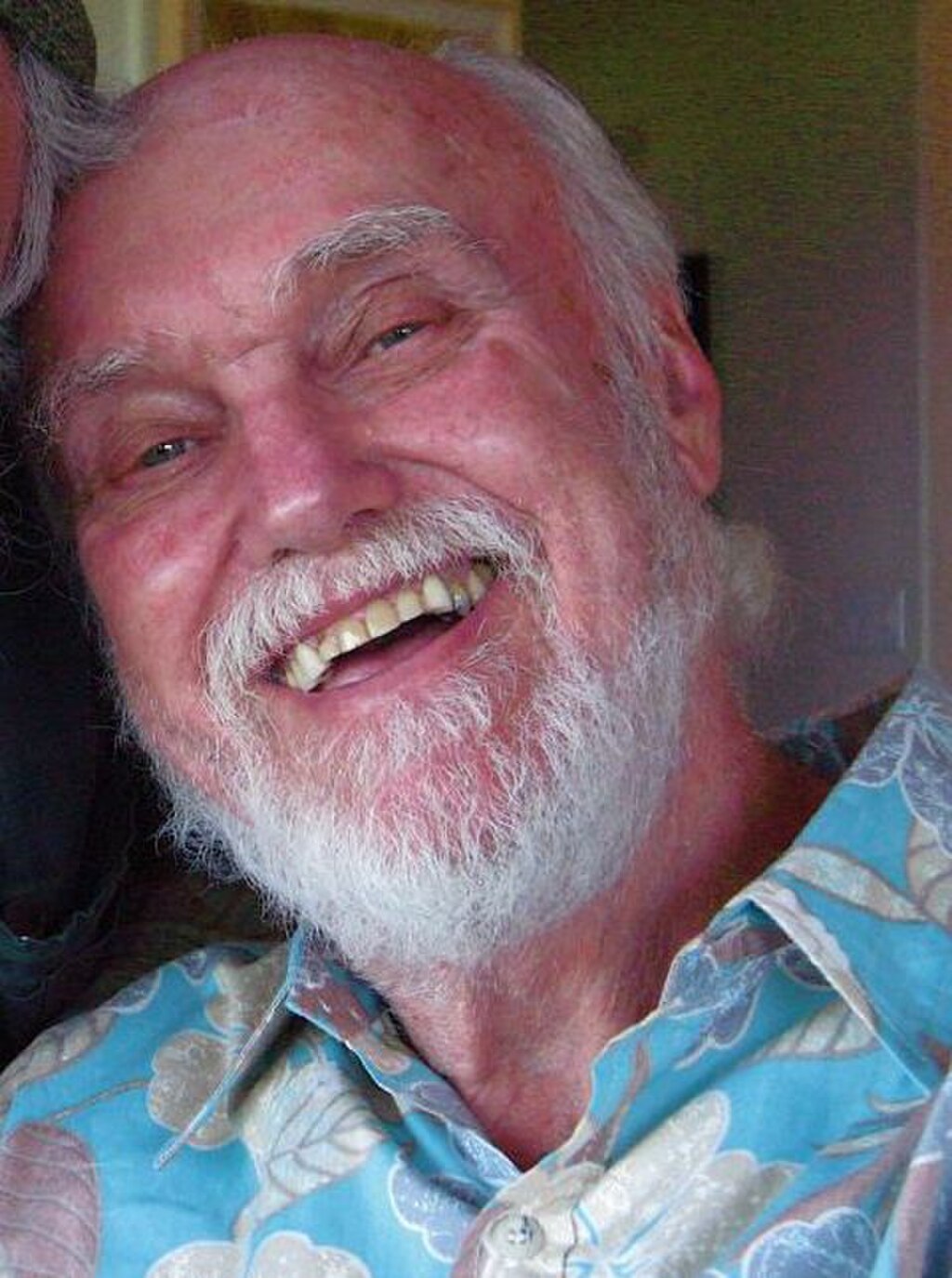
Embracing the Present: The Call to Begin
Ram Dass's assertion that "You can't wait to be ready. You begin now" serves as a profound reminder of the urgency and immediacy inherent in spiritual practice. This quote challenges us to confront the often paralyzing notion of readiness, suggesting that the act of beginning is not contingent upon a perfect state of preparedness. In a world that frequently encourages procrastination and hesitation, this teaching invites us to engage with our lives and spiritual journeys in the present moment, emphasizing that the path unfolds through action rather than anticipation.
In a deeper sense, this quote speaks to the heart of human experience, where the desire for readiness can become a barrier to growth and transformation. It highlights the paradox of waiting for the right moment, which often leads to inaction and missed opportunities. By urging us to start now, Ram Dass illuminates the potential for awakening that exists in every moment, encouraging us to embrace the imperfect and the uncertain as essential components of our spiritual evolution.
The image / the metaphor
The imagery in Ram Dass's quote evokes a sense of immediacy and dynamism. The verbs "wait" and "begin" create a stark contrast between passivity and action, urging us to recognize that readiness is not a prerequisite for engagement. The phrase "you can't wait" suggests a sense of urgency, as if time itself is slipping away while we remain in a state of inaction. This metaphor of waiting versus beginning encapsulates the tension many of us feel when faced with the prospect of change or growth.
Diving deeper into this metaphor, we can see that the act of beginning is not merely a physical action but a mental and spiritual shift. It calls for a leap of faith, an embrace of uncertainty, and a willingness to step into the unknown. This initiation into action is akin to the first step on a path, where the journey itself becomes the teacher. In this light, readiness transforms from a static state into a dynamic process, one that unfolds as we engage with our lives and the world around us.
In the speaker's tradition
Ram Dass's teachings are deeply rooted in the Hindu tradition, which emphasizes concepts such as dharma, the inherent duty or path each individual must follow. The idea of beginning now resonates with the notion of living one's dharma, as it encourages us to act in accordance with our true nature and purpose without waiting for external validation or perfect conditions. This aligns with the practice of bhakti, or devotion, which invites us to surrender to the present moment and trust in the unfolding of our spiritual journey.
In the context of Hindu philosophy, we can draw parallels to the concept of sunyata, or emptiness, which teaches that our perceptions of readiness and completeness are often illusions. Just as the Buddha emphasized the importance of embracing the present moment, Ram Dass echoes this sentiment by urging us to act without delay. The Bhagavad Gita, a foundational text in Hindu thought, reinforces this idea through the teachings of Krishna, who encourages Arjuna to engage in battle without attachment to the results, highlighting the importance of action in the face of uncertainty.
Living the teaching
Consider a modern scenario where this teaching might resonate: a person contemplating a career change. Often, individuals find themselves waiting for the "right" moment to make a leap into a new field, believing they need more experience or education before they can begin. However, by embracing Ram Dass's teaching, they might recognize that the journey of learning and growth starts with the decision to act, even if it feels imperfect or uncertain. This shift in perspective can empower them to take the first step, whether that means applying for a new job, enrolling in a course, or networking with others in their desired field.
This teaching can also apply to personal relationships, particularly during difficult moments. Imagine a couple facing a conflict but hesitating to address it, waiting for the "right time" to have a conversation. By embodying the essence of Ram Dass's words, they might choose to engage in open dialogue now, recognizing that waiting could lead to further misunderstandings and resentment. This proactive approach not only fosters deeper connection but also cultivates a sense of trust and vulnerability, essential components of any healthy relationship.
A reflection
As we contemplate Ram Dass's invitation to begin now, we are called to reflect on our own lives and the areas where we may be waiting for readiness to strike. What opportunities have we postponed due to our desire for perfection or certainty? In what ways can we embrace the present moment and take action, however small, toward our aspirations? Allow this contemplation to guide you as you navigate your spiritual journey, reminding you that the path unfolds through the courage to begin.




Join the BrightStar Community
Stay connected with daily inspiration, event announcements, and community wisdom