The Heart's Vision: Embracing Love Beyond Judgment
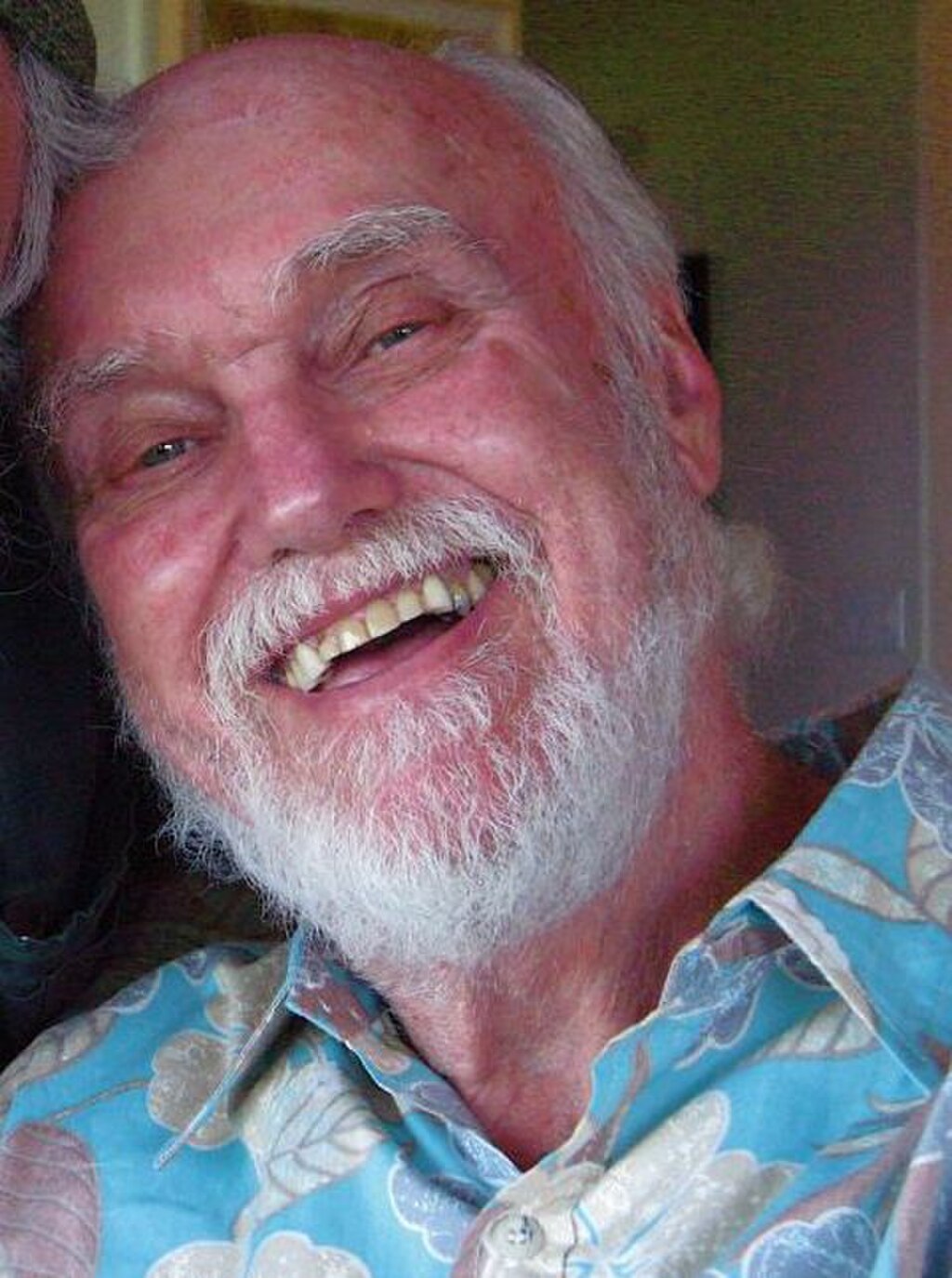
In the profound words of Ram Dass, "The mind sees and judges. The heart sees and loves." This quote encapsulates a fundamental dichotomy within human experience, highlighting the contrasting functions of the mind and heart. The mind, with its analytical faculties, often leads us to conclusions based on observation and comparison, while the heart invites us into a realm of unconditional acceptance and compassion. Understanding this distinction is essential in a world where judgment often overshadows love, urging us to cultivate a deeper awareness of our inner landscapes.
As we navigate the complexities of life, the interplay between seeing and loving becomes increasingly significant. The mind's propensity to judge can create barriers between ourselves and others, fostering division and misunderstanding. In contrast, the heart's capacity to love transcends these barriers, offering a pathway to connection and unity. By exploring this quote, we delve into the transformative potential of shifting our focus from the mind's judgments to the heart's embrace, ultimately enriching our relationships and deepening our spiritual practice.
The image / the metaphor
The imagery in Ram Dass's quote evokes a vivid contrast between two modes of perception: the mind's analytical gaze and the heart's compassionate vision. The verbs "sees" and "judges" associated with the mind suggest a process of evaluation, often leading to conclusions that can be harsh or critical. In contrast, the heart's ability to "see" and "love" implies a more expansive and nurturing perspective, one that recognizes the inherent worth of all beings. This duality invites us to reflect on how we perceive ourselves and others, encouraging a shift from a mindset of judgment to one of acceptance.
Diving deeper into the metaphor, we can envision the mind as a lens that focuses on details, often magnifying flaws and differences. This lens can distort our perception, leading to a narrow understanding of reality. Conversely, the heart functions like a wide-angle lens, capturing the essence of connection and shared humanity. By embracing the heart's vision, we open ourselves to a more profound experience of life, one that transcends superficial judgments and fosters genuine love and understanding.
In the speaker's tradition
Ram Dass's teachings are deeply rooted in the Hindu tradition, where concepts such as bhakti (devotion) and prajna (wisdom) play pivotal roles in spiritual development. The heart's capacity to love aligns with the practice of bhakti, which emphasizes surrendering to a higher power and cultivating a loving relationship with the divine. This approach encourages practitioners to move beyond the confines of the mind's judgments, allowing love to guide their actions and interactions. In this context, the heart becomes a vessel for divine connection, illuminating the path toward spiritual awakening.
Furthermore, the notion of kenosis, or self-emptying, resonates with the heart's ability to love without attachment or expectation. By letting go of the mind's judgments and embracing the heart's openness, we can experience a profound sense of freedom and connection. This idea is echoed in texts such as the Bhagavad Gita, where the importance of selfless action and devotion is emphasized. In this light, Ram Dass's quote serves as a reminder to cultivate a heart-centered approach to life, fostering love and compassion in all our endeavors.
Living the teaching
Consider a modern scenario where this teaching can be applied: a workplace conflict. In a situation where colleagues disagree on a project, the mind may quickly assess the strengths and weaknesses of each argument, leading to a judgmental stance. However, if one were to approach the situation from the heart, the focus would shift to understanding the underlying motivations and emotions of each person involved. This heart-centered approach fosters collaboration and empathy, transforming a potentially divisive situation into an opportunity for connection and growth.
Another application of this teaching can be found in personal relationships. Imagine a moment of tension between partners, where misunderstandings arise. The mind may rush to assign blame or criticize, perpetuating a cycle of hurt. In contrast, if one chooses to engage from the heart, they might pause to listen deeply, seeking to understand the other's perspective. This shift not only diffuses conflict but also deepens intimacy, allowing love to flourish in the space where judgment once resided.
A reflection
As we contemplate Ram Dass's insightful words, we are invited to explore the ways in which we perceive ourselves and others. How often do we allow the mind's judgments to cloud our vision, preventing us from experiencing the fullness of love? In moments of challenge or conflict, can we pause and shift our focus from judgment to understanding? This contemplative question encourages us to engage with our inner landscapes, fostering a deeper connection to the heart's wisdom and the transformative power of love.




Join the BrightStar Community
Stay connected with daily inspiration, event announcements, and community wisdom