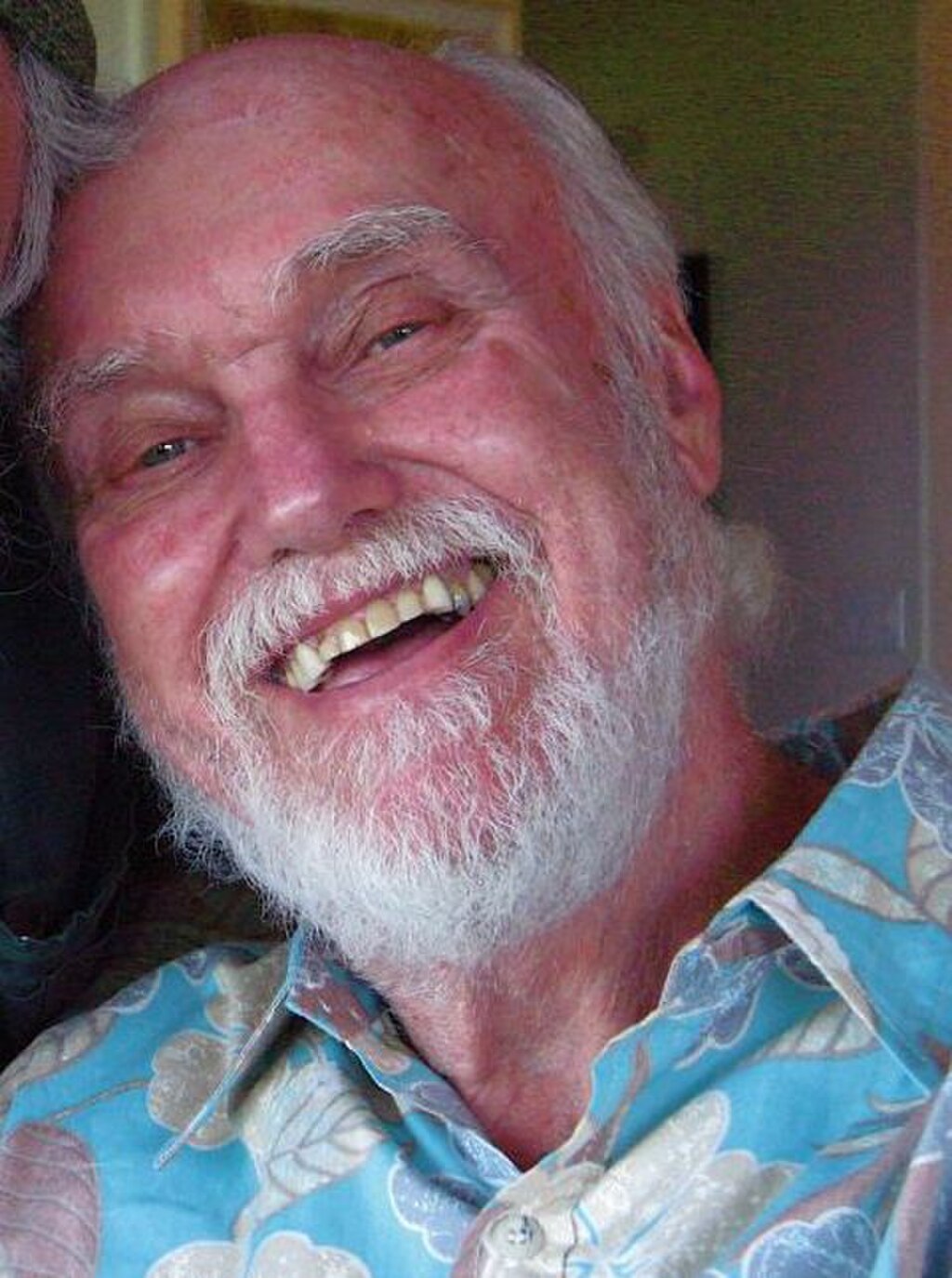
The Power of Presence: Embracing the Now
“Be here now.” This simple yet profound statement by Ram Dass invites us to immerse ourselves fully in the present moment, urging us to shed the burdens of past regrets and future anxieties. In a world that often pulls our attention in myriad directions, this call to presence becomes a radical act of mindfulness. It is not merely a suggestion; it is an invitation to experience life in its fullest, most vibrant form, where every breath and heartbeat becomes a testament to our existence.
To truly grasp the essence of being present, we must recognize the layers of meaning embedded within this phrase. It speaks to the heart of our human experience, where the past is but a memory and the future remains uncertain. In this moment, we find the intersection of time and consciousness, where the richness of life unfolds. The urgency of this teaching lies in its ability to ground us, to remind us that the only moment we truly possess is the one we are currently inhabiting. In this space, we can cultivate awareness, connection, and a deeper understanding of ourselves and the world around us.
The image / the metaphor
At its core, the phrase “Be here now” evokes a vivid imagery of anchoring oneself in the present. The verb “be” suggests a state of existence, a call to embody our true selves without distraction. “Here” denotes a specific location, both physical and metaphysical, where our awareness can settle. “Now” encapsulates the fleeting nature of time, emphasizing that this moment is unique and irreplaceable. Together, these words create a powerful invitation to engage with life as it unfolds, to feel the pulse of existence in every moment.
Diving deeper into the metaphor, we can see that being present is akin to a flower blooming in the sunlight. Just as a flower opens itself to the warmth and light of the sun, we too must open our hearts and minds to the experiences that life offers us in the present. This act of blooming requires vulnerability and trust, as we let go of the need to control or predict what comes next. In this way, “Be here now” becomes a mantra for embracing the beauty and complexity of life, allowing us to experience joy, sorrow, and everything in between with full awareness.
In the speaker's tradition
Ram Dass, a pivotal figure in the non-dual tradition, draws upon a rich tapestry of spiritual concepts that resonate deeply with the idea of presence. Central to this tradition is the notion of dharma, which refers to the path of righteousness and living in accordance with the truth of our being. By encouraging us to “be here now,” Ram Dass aligns with the teachings of mindfulness found in Buddhism, where the practice of being present is essential for cultivating awareness and compassion. This presence is not merely a passive state but an active engagement with the world, a form of kenosis, or self-emptying, that allows us to connect with the essence of life itself.
In texts such as the “Heart Sutra,” we find echoes of this teaching, where the concept of sunyata, or emptiness, invites us to recognize the impermanence of all things. By understanding that our thoughts and emotions are transient, we can cultivate a sense of detachment that allows us to be fully present without being overwhelmed by the fluctuations of our inner world. This alignment with non-dual awareness encourages us to see beyond the illusion of separation, fostering a deep sense of connection with ourselves and others as we embrace the now.
Living the teaching
Consider a modern scenario where the teaching of “be here now” can profoundly impact our lives: the experience of commuting in a bustling city. Often, we find ourselves lost in thoughts about the day ahead or ruminating on past interactions, missing the vibrancy of the world around us. By consciously choosing to be present during this time—observing the sights, sounds, and sensations—we can transform a mundane journey into a rich tapestry of experience. This practice not only enhances our appreciation of life but also reduces stress, allowing us to arrive at our destination with a clearer mind and a more open heart.
In relationships, the application of this teaching can be equally transformative. Imagine a moment of conflict with a loved one, where emotions run high and misunderstandings abound. By grounding ourselves in the present and truly listening to the other person, we create space for empathy and understanding. This act of presence can dissolve tension and foster deeper connections, allowing us to navigate challenges with grace and compassion. In daily practices, such as meditation or mindful eating, we can cultivate the habit of being present, enriching our experiences and nurturing a profound sense of gratitude for the life we are living.
A reflection
As we contemplate the wisdom of Ram Dass’s words, we are invited to reflect on our own relationship with the present moment. What distractions pull you away from being fully here now? In what ways can you cultivate a deeper sense of presence in your daily life? By engaging with these questions, we can begin to unravel the layers of our consciousness and discover the beauty that resides in the simplicity of being.



Join the BrightStar Community
Stay connected with daily inspiration, event announcements, and community wisdom