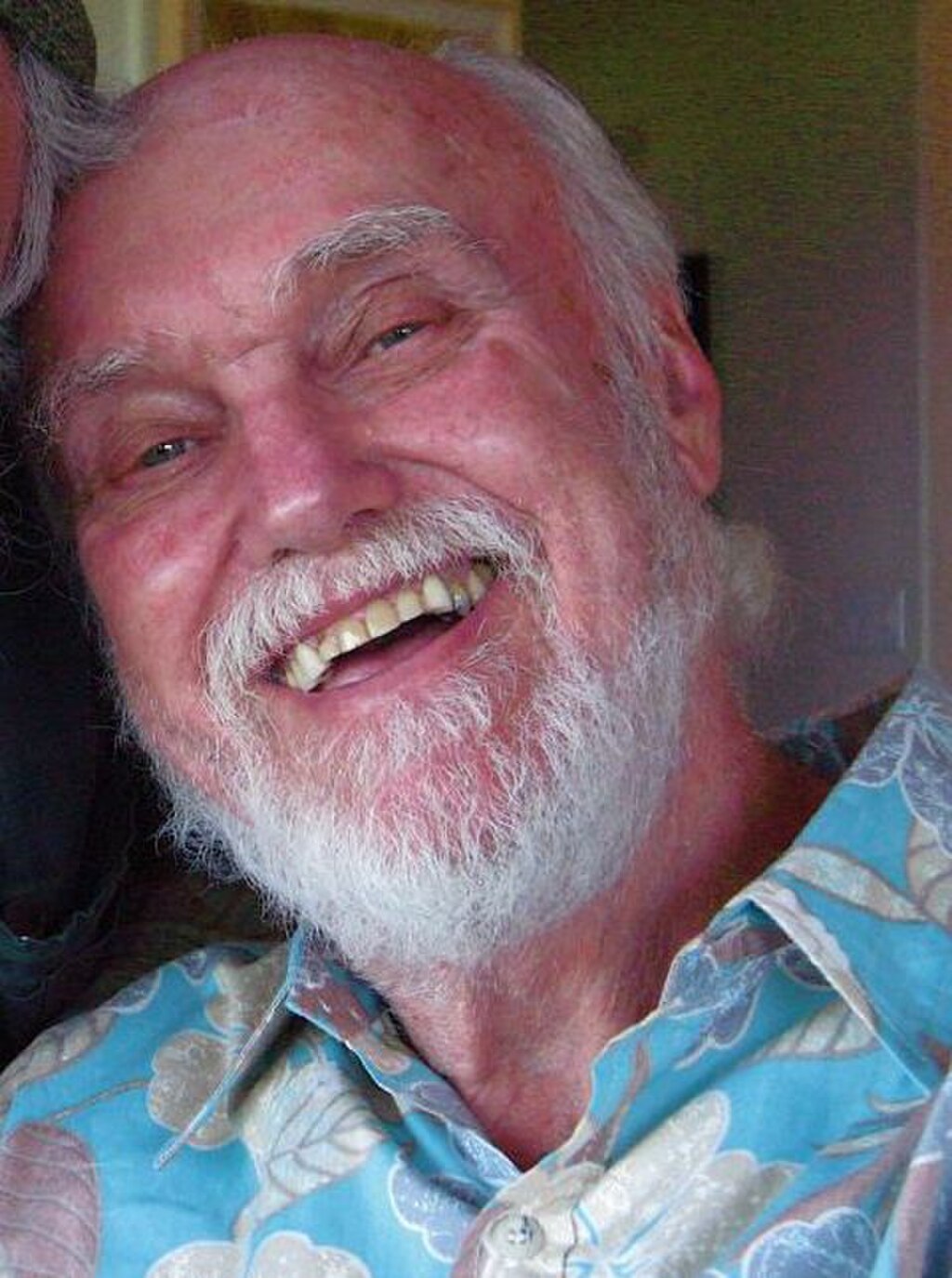
Choosing the Heart: A Pathway to Presence
In the profound simplicity of Ram Dass's words, "Each moment, choose the heart," we are invited to engage with the essence of our being. This quote serves as a gentle reminder that amidst the chaos and distractions of life, we possess the agency to align our choices with love and compassion. The stakes are high; our choices shape not only our experiences but also the world around us. By consciously choosing the heart, we embark on a journey toward deeper connection and understanding, both with ourselves and others.
To choose the heart is to embrace a practice of mindfulness and intentionality. It suggests that every moment presents us with a choice: to respond from a place of fear or to act from love. This duality is at the core of human experience, and Ram Dass encourages us to cultivate awareness of our choices. By doing so, we can transform our lives and the lives of those we touch, creating ripples of compassion that extend far beyond our immediate surroundings.
The image / the metaphor
At first glance, the imagery in Ram Dass's quote evokes a sense of immediacy and presence. The phrase "each moment" emphasizes the fleeting nature of time and the continuous opportunities we have to make choices. The verb "choose" implies an active engagement with our thoughts and feelings, suggesting that we are not merely passive observers of our lives but rather participants in a dynamic interplay of emotions and decisions. The heart, as the focal point of this choice, symbolizes our capacity for love, empathy, and connection.
Diving deeper into the metaphor, we can see that the heart represents more than just an emotional center; it embodies our true essence, the part of us that is inherently compassionate and wise. To "choose the heart" is to align with our authentic selves, transcending the ego's often fear-driven narratives. This choice invites us to cultivate a state of being that is rooted in love, allowing us to navigate life's complexities with grace and understanding.
In the speaker's tradition
Ram Dass's teachings are deeply rooted in the Hindu tradition, where the concept of dharma plays a crucial role in guiding one's actions. Dharma, often translated as "righteous duty," encourages individuals to act in accordance with their true nature and the greater good. Choosing the heart aligns with this principle, as it calls us to act from a place of love and compassion, fulfilling our responsibilities not just to ourselves but to the collective. This practice of choosing love over fear echoes the idea of bhakti, or devotion, which emphasizes surrendering to a higher power and allowing love to guide our actions.
In the context of Ram Dass's work, we can also draw parallels to the concept of kenosis, the self-emptying of one's will and desires in favor of a greater love. This idea resonates with the teachings found in the Bhagavad Gita, where Krishna advises Arjuna to act selflessly and with love, transcending the ego's limitations. By choosing the heart, we engage in a form of spiritual practice that aligns with these ancient teachings, allowing us to embody the principles of love and compassion in our daily lives.
Living the teaching
Consider a modern scenario where this teaching can be applied: a heated discussion with a colleague at work. In the moment, the instinct might be to respond defensively, driven by ego and the desire to be right. However, if one consciously chooses the heart, the response can shift to one of understanding and empathy. This choice not only diffuses tension but also fosters a collaborative spirit, transforming a potentially divisive moment into an opportunity for connection and growth.
Another application of this teaching can be found in personal relationships, especially during challenging times. Imagine a moment of conflict with a loved one, where hurt feelings and misunderstandings abound. By choosing the heart, one can approach the situation with compassion, seeking to understand the other person's perspective rather than reacting from a place of hurt. This practice of heart-centered communication can lead to deeper intimacy and healing, reinforcing the bonds of love that hold relationships together.
A reflection
As we contemplate Ram Dass's invitation to "choose the heart," we are called to reflect on our own lives and the choices we make. In what moments do we find ourselves responding from fear rather than love? Consider this contemplative question: How can you cultivate a practice of choosing the heart in your daily interactions, and what might shift in your life if you did? Allow this inquiry to guide you toward deeper self-awareness and connection with others.



Join the BrightStar Community
Stay connected with daily inspiration, event announcements, and community wisdom