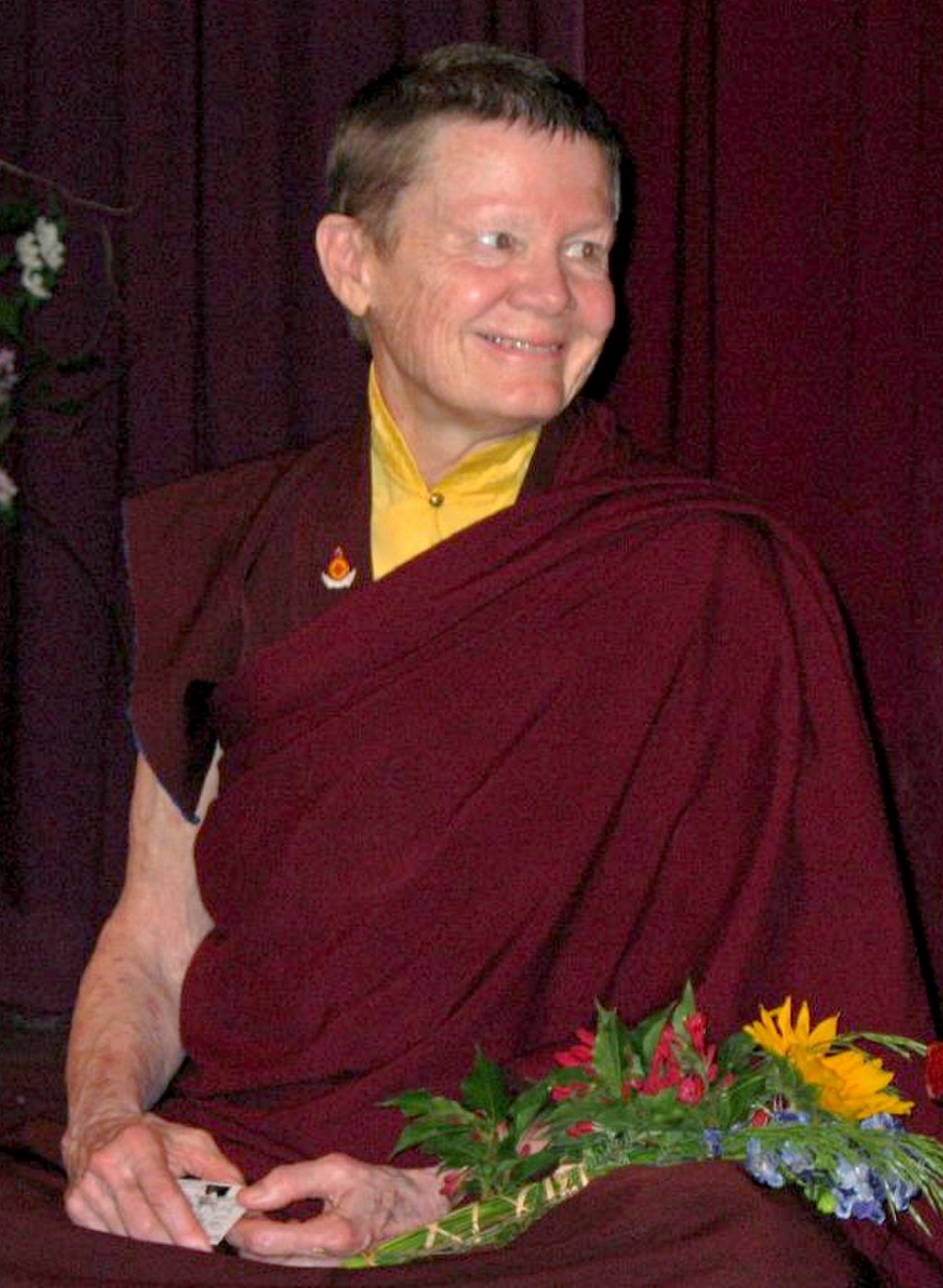
Embracing the Journey: The Art of Trusting Yourself
Pema Chödrön's poignant reminder to "trust yourself enough to keep going" invites us to cultivate a profound sense of self-reliance and resilience. In a world often fraught with uncertainty and self-doubt, this quote serves as a beacon, urging us to embrace our inner strength and continue our journey, even when the path is obscured. The stakes are high; without this trust, we risk stagnation, allowing fear and hesitation to dictate our choices and limit our potential.
At its core, this teaching is about the relationship we have with ourselves. It challenges us to confront the inner critic that often whispers discouragement and to replace that voice with one of encouragement and faith. In doing so, we not only honor our own capabilities but also acknowledge the inherent wisdom that resides within us. This trust is not merely a passive acceptance of our abilities; it is an active engagement with our potential, a commitment to persevere in the face of adversity.
The image / the metaphor
The imagery in Chödrön's quote evokes a sense of movement and progression. The phrase "keep going" suggests a journey, one that is often fraught with obstacles and challenges. The verb "trust" carries a weight of responsibility, implying that we must actively cultivate this belief in ourselves. It is not enough to simply wish for confidence; we must nurture it through our actions and choices, allowing it to guide us forward.
Diving deeper into the metaphor, we can envision life as a winding road, filled with both smooth stretches and treacherous turns. Trusting ourselves is akin to navigating this road with a steady hand on the wheel, even when the destination is unclear. It is about embracing uncertainty and recognizing that each step taken in faith is a testament to our resilience. This journey is not linear; it is a series of ups and downs, each moment an opportunity to reaffirm our commitment to ourselves.
In the speaker's tradition
Pema Chödrön's teachings are deeply rooted in the Buddhist tradition, which emphasizes the importance of self-awareness and compassion. Concepts such as dharma, the path of truth and virtue, and prajna, or wisdom, are integral to understanding the essence of trusting oneself. In Buddhism, the practice of kenosis—emptying oneself of preconceived notions and attachments—aligns beautifully with Chödrön's call to trust in our own journey. This self-trust is not an act of ego; rather, it is a recognition of our interconnectedness and the impermanence of all things.
A relevant text that echoes this sentiment is the Heart Sutra, which speaks of sunyata, or emptiness, as a means to liberation. By recognizing the transient nature of our thoughts and emotions, we can cultivate a deeper trust in ourselves, understanding that our true essence is not defined by our fears or doubts. This perspective allows us to move forward with confidence, knowing that we are capable of navigating the complexities of life with grace and resilience.
Living the teaching
Consider a modern scenario where this teaching resonates: a professional facing a significant career change. The uncertainty of leaving a familiar job for an unknown opportunity can evoke fear and self-doubt. However, by trusting oneself enough to keep going, this individual can embrace the change as a chance for growth and exploration. This trust transforms the daunting leap into a courageous step toward self-discovery, allowing them to navigate the transition with confidence and clarity.
This teaching also finds application in personal relationships, particularly during challenging moments. Imagine a conflict arising between friends, where misunderstandings and hurt feelings threaten to sever the bond. By trusting oneself to communicate openly and honestly, rather than retreating into silence or resentment, one can foster healing and understanding. This act of trust not only strengthens the relationship but also reinforces the belief that vulnerability can lead to deeper connections and mutual growth.
A reflection
As we contemplate Chödrön's words, we are invited to reflect on our own relationship with self-trust. What fears or doubts hold you back from fully embracing your journey? In what ways can you cultivate a deeper sense of trust in yourself, allowing it to guide you through life's uncertainties? This contemplation encourages us to engage with our inner landscape, fostering a compassionate dialogue with ourselves as we navigate the complexities of existence.



Join the BrightStar Community
Stay connected with daily inspiration, event announcements, and community wisdom