The Transformative Power of Song in Devotion
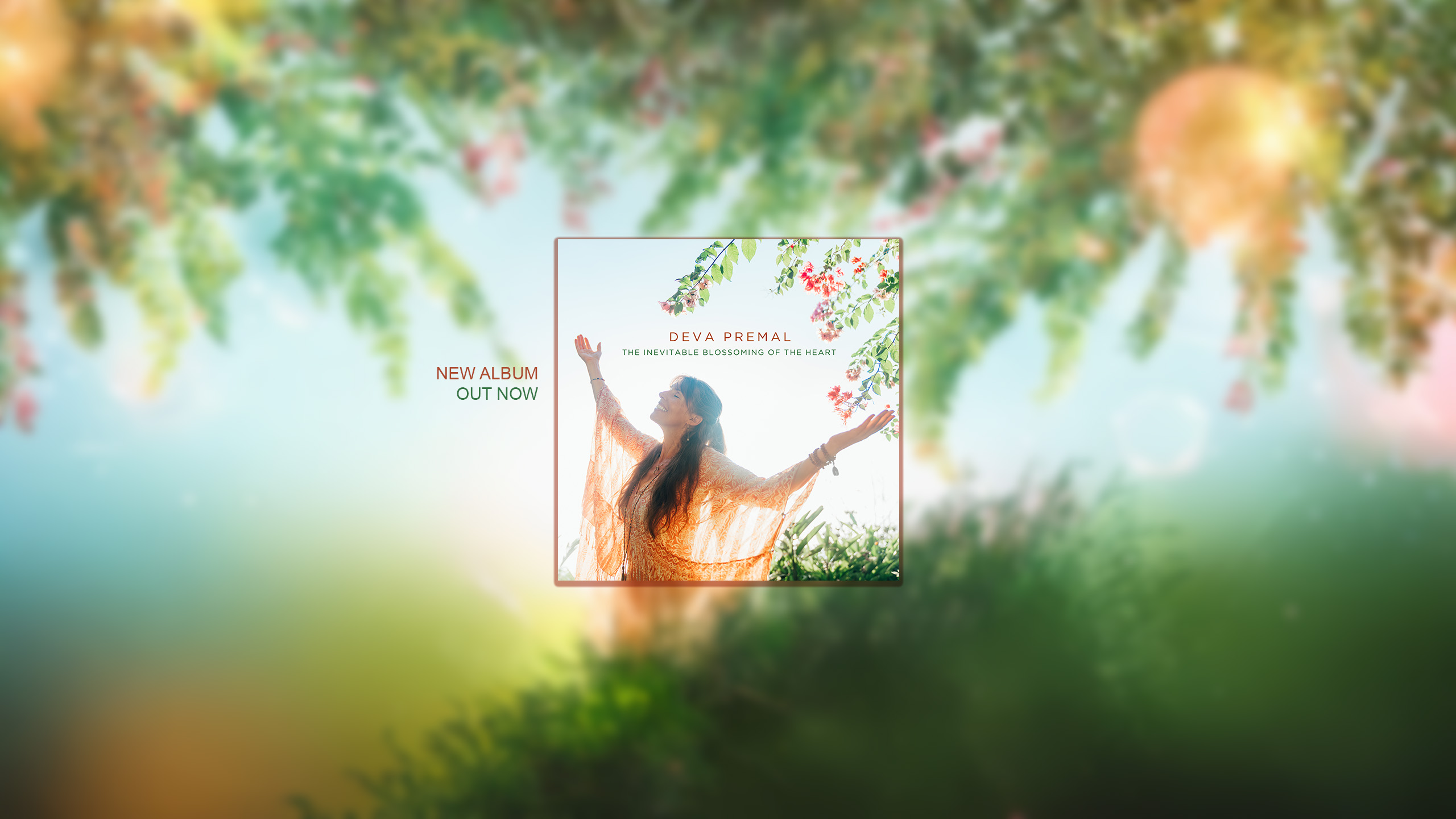
In the words of Deva Premal, "You can sing yourself into devotion." This profound statement invites us to consider the transformative potential of music and sound in our spiritual lives. Singing, often seen as a simple act of expression, becomes a pathway to deeper devotion and connection with the divine. The stakes are high; in a world filled with distractions and noise, finding a way to channel our inner selves into a state of devotion can lead to profound personal and communal transformation.
Moreover, this quote suggests that devotion is not merely a passive state of being but an active process that can be cultivated through the practice of singing. It implies that the act of singing can transcend mere vocalization, becoming a vehicle for spiritual awakening and connection. In this light, we are encouraged to explore how our voices can resonate with the sacred, transforming our hearts and minds in the process. This exploration is not just about the sound we produce but about the intention and energy we bring to our practice.
The image / the metaphor
The imagery in Deva Premal's quote evokes a sense of movement and transformation. To "sing yourself into devotion" suggests an active engagement with one's own spirit, where the act of singing serves as a bridge to a deeper emotional and spiritual state. The verb "sing" implies a joyful, expressive act, while "devotion" connotes a profound commitment and love for something greater than oneself. This interplay between action and feeling creates a vivid picture of how sound can elevate our consciousness and connect us to the divine.
In the speaker's tradition
Deva Premal's teachings are deeply rooted in the tradition of mantra-yoga, where sound and vibration are seen as essential components of spiritual practice. In this context, the concept of bhakti, or devotion, plays a crucial role. Bhakti is not just an emotional state; it is an active expression of love and surrender to the divine. Singing mantras, which are sacred sounds, becomes a way to cultivate this devotion, allowing practitioners to connect with their innermost selves and the universe around them.
Furthermore, the practice of mantra recitation aligns with the idea of kenosis, or self-emptying, found in various spiritual traditions. By singing, we let go of our ego and personal concerns, opening ourselves to a greater reality. This aligns with the teachings found in texts such as the Bhagavad Gita, where the importance of surrendering to the divine will is emphasized. Through the act of singing, we can experience a form of sunyata, or emptiness, where our individual identities dissolve into the vastness of the divine presence.
Living the teaching
Consider a modern scenario where this teaching can be applied: imagine a community gathering where individuals come together to sing. In this space, the act of singing becomes a collective expression of devotion, allowing participants to connect not only with their own hearts but also with one another. As voices blend in harmony, the energy shifts, creating an atmosphere of love and unity. This shared experience can transform the mundane into the sacred, reminding us of the power of collective devotion.
Another application of this teaching can be found in personal relationships. During moments of conflict or disconnection, singing together can serve as a healing balm. Whether it is a couple singing a favorite song or a family engaging in a chant, the act of singing can help to bridge gaps and foster understanding. In these instances, singing becomes a tool for transformation, allowing individuals to move from a place of discord to one of harmony and connection.
A reflection
As we contemplate Deva Premal's quote, we might ask ourselves: How can I incorporate the act of singing into my own spiritual practice? This question invites us to explore the ways in which sound and devotion can intertwine in our lives. Whether through mantra, song, or simply the act of vocal expression, we are encouraged to find our unique voice and use it as a means to deepen our connection to the divine and to one another.







Join the BrightStar Community
Stay connected with daily inspiration, event announcements, and community wisdom