Beyond the Veil of Form: Embracing the Moola Mantra
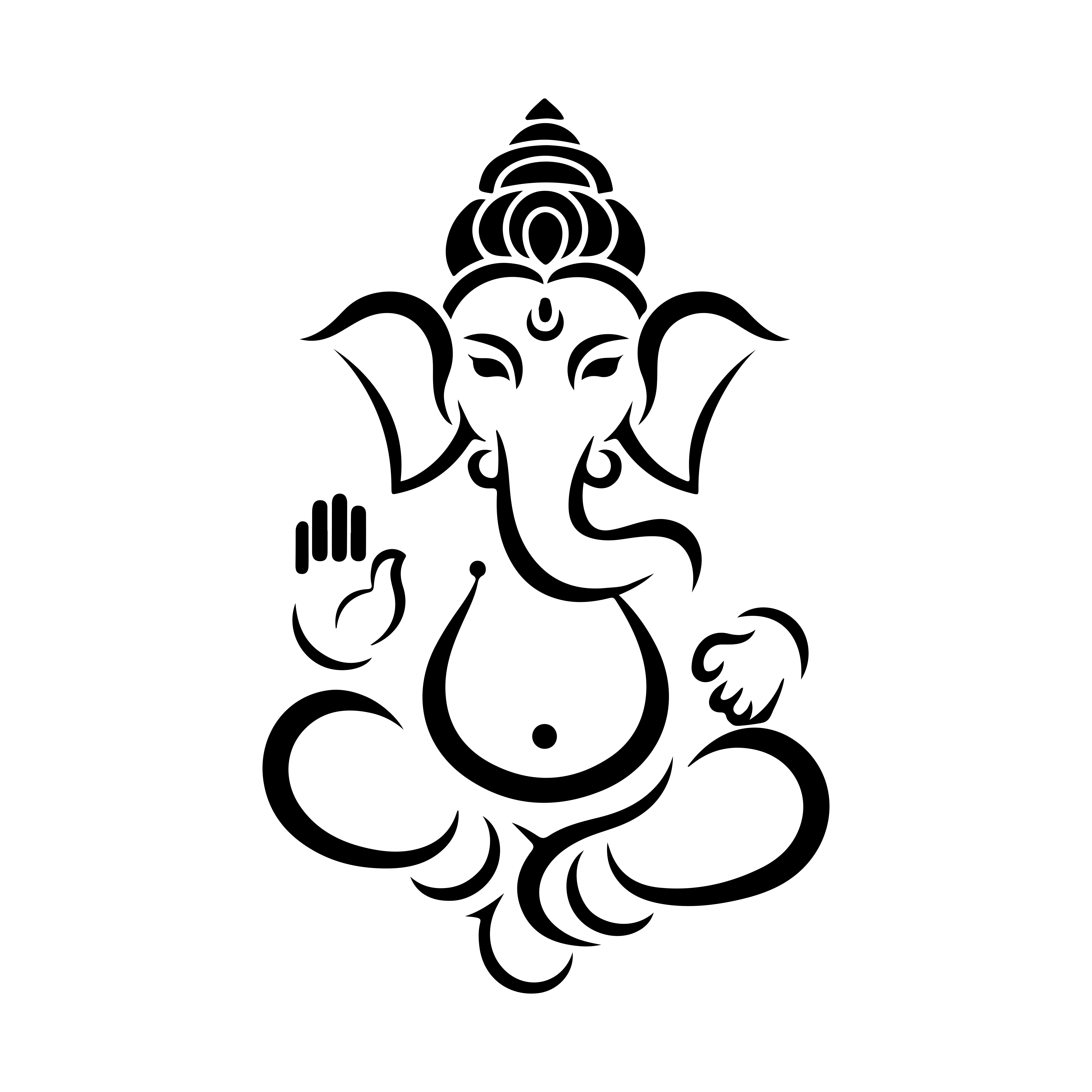
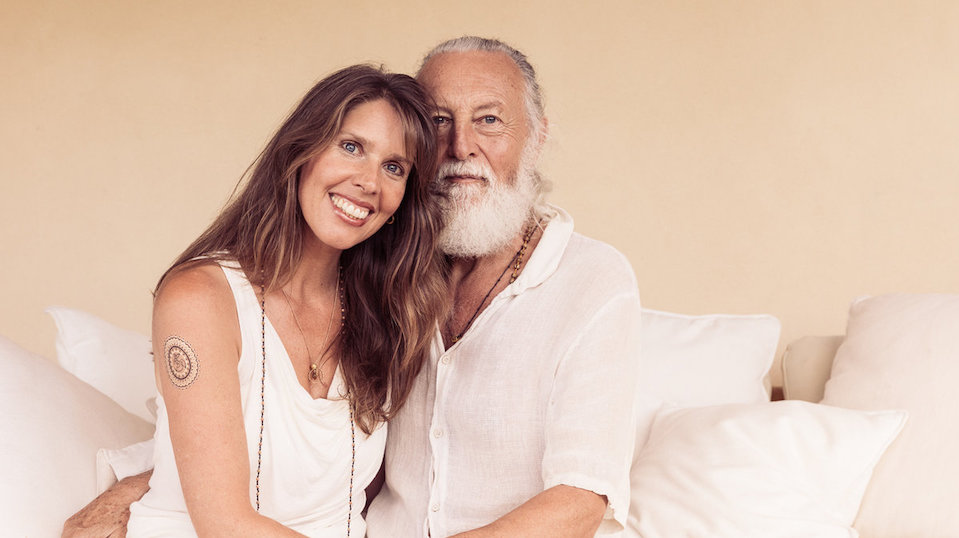
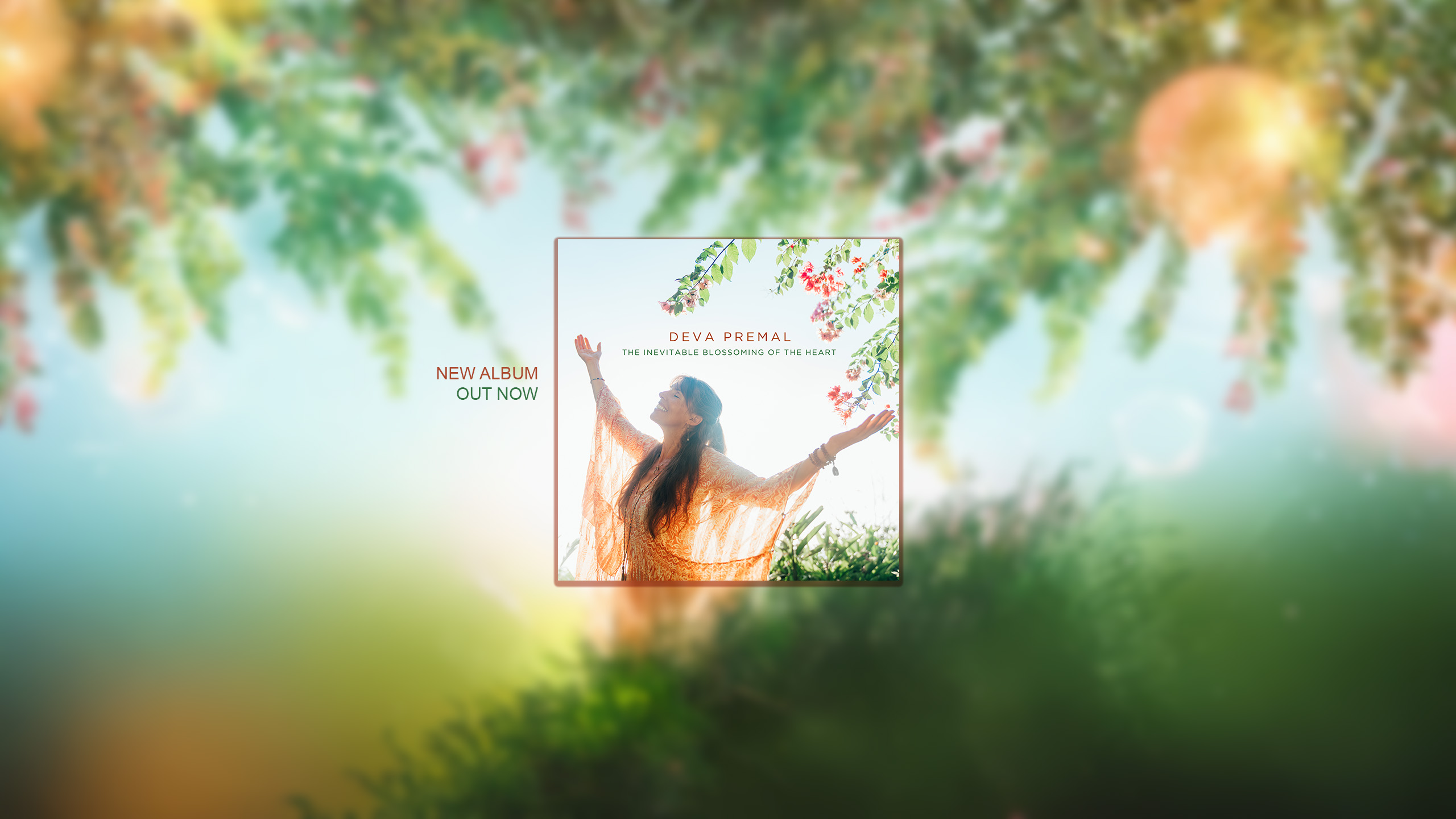
In the words of Deva Premal, "The Moola mantra speaks of the supreme being beyond all forms." This profound statement invites us to explore the essence of existence that transcends the myriad shapes and identities we encounter in our lives. It beckons us to contemplate the nature of the divine, urging us to look beyond the surface and recognize the formless essence that underlies all creation. This exploration is not merely an intellectual exercise; it is a journey into the heart of our spiritual practice, where understanding the formless can lead to a deeper connection with the universe.
As we delve into this quote, we are reminded of the limitations of language and form in expressing the ineffable. The Moola mantra, a foundational chant in mantra-yoga, serves as a bridge to the divine, guiding practitioners toward an experience of unity with the supreme being. In a world often dominated by materialism and the pursuit of tangible success, this teaching invites us to pause and reflect on the deeper truths that lie beneath the surface of our everyday lives. It is a call to recognize the sacred in the formless, to embrace the mystery that surrounds us, and to cultivate a sense of reverence for the unseen forces that shape our existence.
The image / the metaphor
The imagery within the quote evokes a sense of vastness and depth, suggesting that the supreme being is not confined to any particular form or identity. The use of the word "supreme" implies an ultimate reality that surpasses our conventional understanding, while "beyond all forms" invites us to consider the limitations of our perceptions. This language evokes a feeling of liberation, as if we are being encouraged to let go of our attachments to the physical world and to explore the boundless nature of existence. The Moola mantra, in its essence, serves as a reminder that the divine is not limited to the images we create but is instead an expansive presence that permeates all aspects of life.
Diving deeper into the metaphor, we can see that the notion of formlessness challenges our tendency to categorize and define our experiences. In a world where we often seek to label and control, the Moola mantra invites us to embrace the fluidity of existence. This formlessness can be both daunting and liberating; it asks us to surrender our need for certainty and to trust in the unfolding of life. By recognizing the supreme being as formless, we are encouraged to cultivate a sense of openness and receptivity, allowing ourselves to be guided by the unseen forces that shape our journey.
In the speaker's tradition
Deva Premal's teachings are deeply rooted in the tradition of mantra-yoga, which emphasizes the transformative power of sound and vibration in spiritual practice. Within this framework, the Moola mantra serves as a key to unlocking the deeper dimensions of consciousness. Concepts such as dharma, or the inherent order of the universe, and bhakti, the path of devotion, resonate with the essence of this teaching. By engaging with the Moola mantra, practitioners are invited to align themselves with their true purpose and to cultivate a sense of devotion that transcends the limitations of form.
In the context of sacred texts, we can draw parallels to the teachings found in the Upanishads, which explore the nature of Brahman, the ultimate reality that is both immanent and transcendent. The Upanishads articulate the idea of "neti neti," or "not this, not that," as a means of understanding the formless nature of the divine. This approach encourages seekers to strip away the layers of illusion and to recognize the underlying unity that connects all beings. By engaging with the Moola mantra, we participate in a timeless tradition that invites us to experience the divine beyond the confines of our limited perceptions.
Living the teaching
In our modern lives, the teaching of the Moola mantra can manifest in various ways. Consider a moment of frustration or confusion, perhaps during a challenging day at work. In such instances, we may find ourselves caught in the web of our thoughts, identifying strongly with our roles and responsibilities. By invoking the essence of the Moola mantra, we can remind ourselves to step back from the chaos and to reconnect with the formless aspect of our being. This practice allows us to cultivate a sense of inner peace, recognizing that our true essence is not defined by our circumstances but by our connection to the greater whole.
Similarly, in relationships, the teaching of formlessness can offer profound insights. When conflicts arise, it is easy to become entrenched in our perspectives, viewing ourselves and others through the lens of form—our identities, our roles, our past experiences. By embracing the formless nature of the divine, we can approach these situations with compassion and understanding, recognizing that beneath the surface, we are all connected by a shared essence. This shift in perspective can foster deeper connections and healing, allowing us to navigate the complexities of human relationships with grace and empathy.
A reflection
As we contemplate the wisdom of the Moola mantra and its invitation to connect with the supreme being beyond all forms, we are left with a profound question: How can we cultivate a deeper awareness of the formless essence within ourselves and in our interactions with the world? This inquiry invites us to explore the ways in which we can transcend our attachments to form and identity, opening ourselves to the boundless possibilities that lie beyond. In this exploration, may we find the courage to embrace the mystery of existence and to honor the sacredness that permeates all aspects of life.






Join the BrightStar Community
Stay connected with daily inspiration, event announcements, and community wisdom