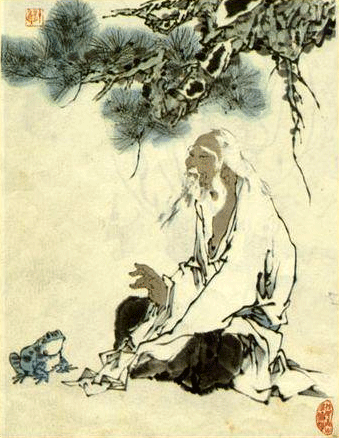
Beyond the Trap: Embracing Essence and Liberation
Chuang Tzu's assertion, "The fish trap exists because of the fish; once you've gotten the fish, you can forget the trap," invites us to reflect on the nature of our attachments and the constructs we create in pursuit of our desires. This quote speaks to the essence of existence, suggesting that the tools and frameworks we develop are only meaningful in relation to what we seek. Once we attain our goals, the very structures that facilitated our journey can become obsolete, urging us to reconsider our relationship with them. Understanding this dynamic is crucial for personal liberation and spiritual growth.
In a world often dominated by material pursuits and rigid frameworks, Chuang Tzu's wisdom serves as a gentle reminder of the transient nature of our attachments. The fish trap symbolizes the constructs we build around our desires, while the fish represents the essence of what we truly seek. This teaching encourages us to recognize the impermanence of our goals and the importance of letting go of the very tools that once served us. By doing so, we can cultivate a deeper understanding of our true nature and the essence of existence itself.
The image / the metaphor
At first glance, the imagery of a fish trap evokes a sense of practicality and purpose. The trap, designed to catch fish, serves a specific function, embodying the human tendency to create systems and structures to achieve desired outcomes. The verbs in the quote—"exists," "gotten," and "forget"—suggest a progression from creation to attainment and ultimately to release. This journey from dependence on the trap to liberation from it encapsulates the essence of many spiritual paths, where the initial tools become unnecessary once the deeper truths are realized.
Diving deeper into the metaphor, we can see that the fish trap also represents the limitations we impose on ourselves through our desires and attachments. The act of forgetting the trap signifies a profound liberation from the confines of our own making. In this light, the quote invites us to examine the constructs we cling to, questioning whether they serve our higher purpose or merely bind us to a cycle of desire and fulfillment. The essence of the teaching lies in recognizing that true freedom comes not from the attainment of our desires but from the ability to transcend the very structures we create.
In the speaker's tradition
Chuang Tzu's philosophy is deeply rooted in the Taoist tradition, which emphasizes the importance of aligning oneself with the natural flow of the universe, or the Tao. Concepts such as wu wei, or effortless action, resonate with the idea of letting go of the traps we create. In Taoism, the understanding of dharma—one's true path or nature—parallels the essence of the fish and the trap. When we become too attached to our constructs, we stray from our authentic selves, losing sight of the natural harmony that exists within and around us.
In the text of the Zhuangzi, Chuang Tzu often illustrates the futility of rigid thinking and the importance of embracing spontaneity. For instance, he tells the story of the butterfly dream, where he questions the distinction between reality and illusion. This narrative echoes the sentiment of the fish trap; once we grasp the essence of our existence, the constructs we cling to become less significant. The wisdom of Chuang Tzu encourages us to embrace the fluidity of life, recognizing that our attachments can often obscure the deeper truths of our being.
Living the teaching
Consider a modern scenario where this teaching resonates: the pursuit of career success. Many individuals invest significant time and energy into climbing the corporate ladder, often becoming entangled in the very structures they create. The fish trap in this context could represent the job title, the accolades, or the financial rewards that come with success. However, once one achieves these goals, the realization may dawn that the true essence of fulfillment lies not in the accolades but in the relationships built, the passions pursued, and the personal growth experienced along the way.
In a different application, think about relationships. Often, we create expectations and roles that can act as traps, limiting the authenticity of our connections. When we become too attached to these constructs—such as the need for validation or the desire for control—we risk losing sight of the essence of love and companionship. By recognizing that these traps can be set aside, we open ourselves to deeper, more genuine interactions, allowing love to flow freely without the constraints of expectation.
A reflection
As we contemplate Chuang Tzu's profound insight, we are invited to ask ourselves: What traps have I created in my life that no longer serve me? This question encourages a deep introspection into the constructs we cling to, whether they be material, emotional, or psychological. By reflecting on this, we can begin to discern the essence of our true desires and the paths that lead us toward liberation. In this way, we can embrace the wisdom of Chuang Tzu, allowing ourselves to move beyond the traps and into the expansive freedom of our authentic selves.



Join the BrightStar Community
Stay connected with daily inspiration, event announcements, and community wisdom