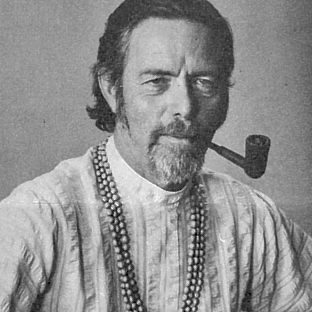
Embracing the Dance of Change
Alan Watts invites us to reconsider our relationship with change through the lens of movement and participation. He suggests that rather than resisting or fearing the inevitable transformations of life, we should immerse ourselves in them, allowing ourselves to flow with the currents of existence. This perspective is not merely philosophical; it is a call to engage actively with the world around us, to join the dance of life with an open heart and mind. In a time when change feels more constant and overwhelming than ever, Watts’s words resonate deeply, urging us to find meaning and beauty in the flux.
To plunge into change is to embrace uncertainty, to recognize that stability is often an illusion. Watts’s metaphor of dance suggests a dynamic interplay, where we are not merely passive observers but active participants in the rhythm of life. This dance requires trust—trust in ourselves, in others, and in the unfolding of our experiences. By moving with change rather than resisting it, we open ourselves to new possibilities, insights, and connections that enrich our lives. In this way, Watts offers a profound teaching that encourages us to find grace and wisdom in the midst of chaos.
The image / the metaphor
The imagery of "plunging" into change evokes a sense of urgency and immediacy, as if we are being called to dive headfirst into the waters of life. The verbs "plunge," "move," and "join" suggest an active engagement rather than a passive acceptance. This dance is not choreographed; it is spontaneous and fluid, reflecting the unpredictable nature of existence. The felt sense of this metaphor is one of liberation, as we shed the weight of resistance and allow ourselves to be carried by the rhythm of the universe.
In the speaker's tradition
Alan Watts’s teachings are deeply rooted in Zen philosophy, which emphasizes the importance of living in harmony with the present moment. Concepts such as *sunyata* (emptiness) and *prajna* (wisdom) resonate with his call to engage with change. In Zen, the understanding that all things are impermanent encourages us to let go of attachments and embrace the fluidity of life. This perspective aligns with the idea of *kenosis*, or self-emptying, where one relinquishes the need for control and certainty, allowing for a more profound connection with the unfolding of reality.
In his work, Watts often draws upon the teachings of Zen masters, illustrating how the acceptance of change can lead to enlightenment. For instance, the Zen text *The Heart Sutra* speaks of the interdependent nature of existence, emphasizing that form is emptiness and emptiness is form. This profound realization invites us to see that change is not separate from us but is, in fact, a fundamental aspect of our being. By understanding this interconnectedness, we can learn to dance with change rather than resist it, finding peace in the midst of transformation.
Living the teaching
Consider a modern scenario where this teaching can be applied: the experience of a career transition. Many individuals face uncertainty when changing jobs or pursuing new paths. Instead of viewing this transition as a daunting challenge, one can choose to embrace it as an opportunity for growth and exploration. By plunging into the unknown, engaging with new colleagues, and adapting to a different work environment, one can discover new passions and strengths that may have remained dormant. This active participation in the process transforms the experience from one of fear to one of excitement and possibility.
Another application of Watts’s teaching can be found in personal relationships, particularly during times of conflict or change. When faced with a disagreement or a shift in dynamics, one might instinctively resist or withdraw. However, by choosing to engage openly and honestly, to dance with the discomfort rather than shy away from it, deeper understanding and connection can emerge. This willingness to embrace change within relationships fosters resilience and intimacy, allowing both parties to grow together rather than apart. In this way, the dance of life becomes a shared journey, rich with opportunities for learning and connection.
A reflection
As we contemplate Watts’s invitation to join the dance of change, we might ask ourselves: How can I embrace the changes in my life with a spirit of openness and curiosity? This question invites us to reflect on our current circumstances, encouraging us to identify areas where we may be resisting change. By acknowledging our fears and uncertainties, we can begin to shift our perspective, allowing ourselves to engage more fully with the dance of life. In this exploration, we may discover not only the beauty of change but also the profound wisdom that arises from our willingness to move with it.



Join the BrightStar Community
Stay connected with daily inspiration, event announcements, and community wisdom