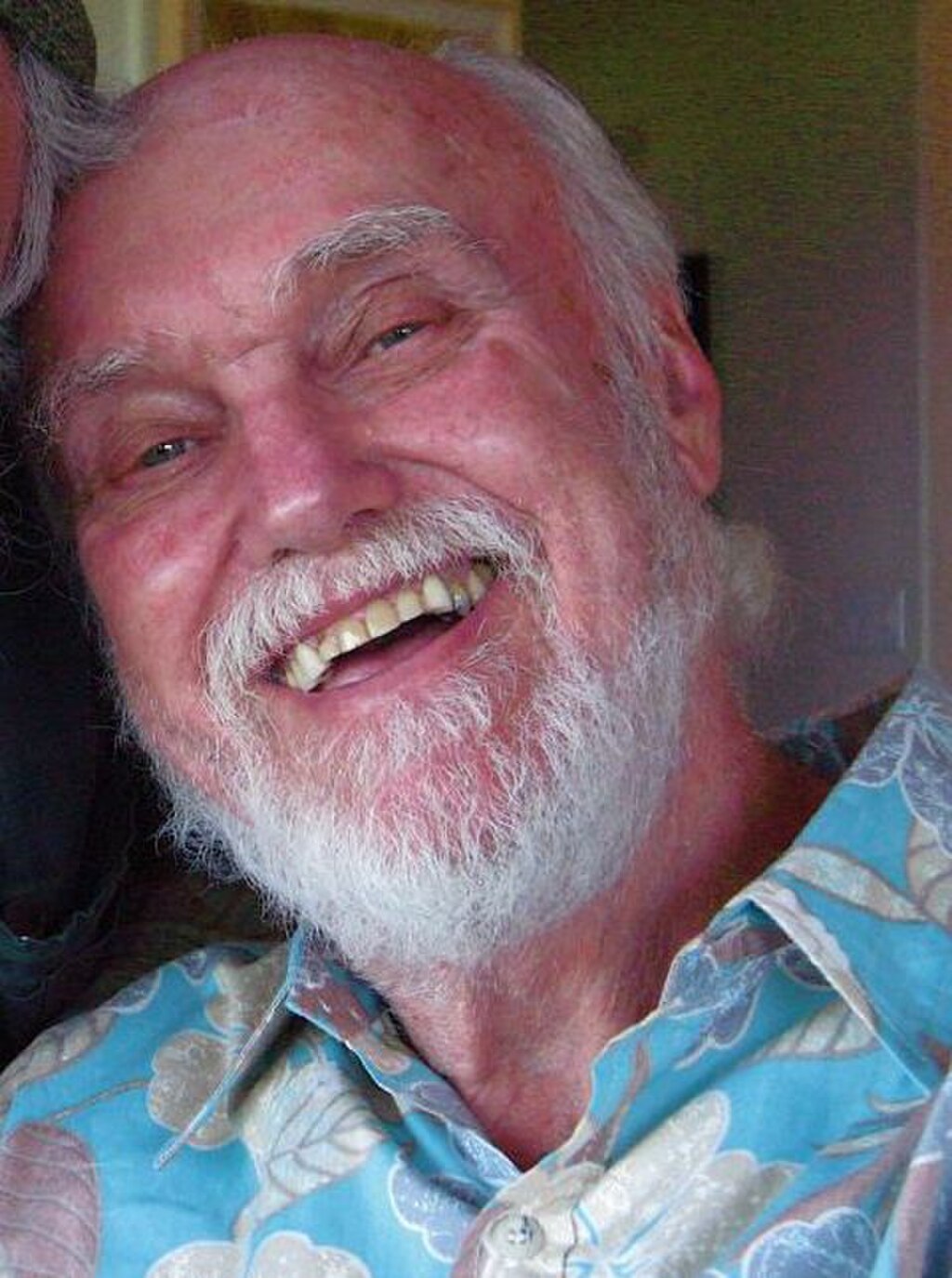
Embracing the Doorways of Existence
Ram Dass's assertion that "Every event in your life is a doorway" invites us to reconsider the myriad experiences that shape our existence. Each moment, whether joyous or challenging, serves as an entry point into deeper understanding and connection. This perspective is not merely philosophical; it is a call to presence, urging us to engage with life in a way that transcends the surface and invites transformation. Recognizing events as doorways allows us to navigate our lives with intention and awareness, fostering a sense of purpose in every encounter.
In a world often characterized by distraction and haste, this teaching becomes particularly poignant. The invitation to view events as doorways encourages us to slow down and cultivate mindfulness. It challenges us to see beyond the immediate circumstances, urging us to explore the lessons and opportunities that lie within each experience. By embracing this perspective, we can transform our relationship with life, moving from a reactive stance to one of active engagement and curiosity.
The image / the metaphor
The imagery of a doorway evokes a sense of transition and possibility. A doorway is not merely an opening; it represents a threshold, a passage from one state of being to another. The verb "is" in Ram Dass's quote emphasizes the immediacy and reality of this metaphor. Each event in our lives, whether it be a moment of joy, sorrow, or uncertainty, invites us to step through and explore what lies beyond. This felt sense of crossing a threshold encourages us to embrace change and the unknown, recognizing that each doorway leads to new insights and growth.
In the speaker's tradition
Ram Dass's teachings are deeply rooted in the Hindu tradition, where the concepts of dharma and presence play pivotal roles. Dharma, often understood as one's duty or path, aligns closely with the idea of recognizing events as doorways. Each experience can be seen as a manifestation of our dharma, guiding us toward greater understanding and fulfillment. Additionally, the notion of kenosis, or self-emptying, resonates with this teaching, as it encourages us to let go of preconceived notions and embrace the unfolding of life as it presents itself.
In the Bhagavad Gita, we find a parallel to this perspective in the teachings of Krishna, who encourages Arjuna to see beyond the immediate battlefield and recognize the larger cosmic dance at play. The Gita emphasizes the importance of presence and awareness in navigating life's challenges, echoing Ram Dass's call to view every event as a doorway. By cultivating this awareness, we align ourselves with the flow of existence and open ourselves to the wisdom inherent in each moment.
Living the teaching
Consider a modern scenario where this teaching might resonate: a job loss. Initially perceived as a setback, this event can be viewed as a doorway to new opportunities. Instead of succumbing to despair, one might take a moment to reflect on what this transition could mean. It could lead to a new career path, a chance to pursue a long-held passion, or an opportunity for personal growth. By reframing the experience as a doorway, we empower ourselves to navigate the uncertainty with curiosity and openness.
In relationships, the concept of events as doorways can also be transformative. Imagine a conflict with a loved one; rather than seeing it as a barrier, we can approach it as an opportunity for deeper understanding and connection. Each disagreement can serve as a doorway to explore underlying feelings, fostering empathy and compassion. By engaging with the conflict mindfully, we can emerge from it with a stronger bond and a renewed sense of intimacy, illustrating how even the most challenging moments can lead us to profound insights.
A reflection
As we contemplate Ram Dass's assertion that "Every event in your life is a doorway," we are invited to reflect on our own experiences. What doorways have you encountered in your life, and how have they shaped your journey? In recognizing the potential for growth and transformation within each event, we can cultivate a deeper sense of presence and engagement with the world around us. Consider this: how might your perspective shift if you approached each moment as an opportunity for exploration and learning?




Join the BrightStar Community
Stay connected with daily inspiration, event announcements, and community wisdom