The Seven Chakra Gayatri Mantra is an extended form of the classical Gayatri Mantra that maps the traditional Sanskrit invocation ("Om tat savitur varenyam / Bhargo devasya dhimahi / Dhiyo yonah prachodayat") across seven ascending planes of consciousness, each associated with a chakra. Each plane is introduced by a unique "Om" formulation—from "Om bhu" (earth) through "Om satyam" (supreme truth)—creating a multilayered sound meditation that moves consciousness from the physical body upward through increasingly subtle spiritual realms. The practice of meditating upon this structure is said to awaken the divine light of pure consciousness across all dimensions of being.
What Are the Seven Chakra Planes in This Mantra?
The Seven Chakra Gayatri Mantra does not treat the chakras in isolation; instead, it organizes consciousness itself into seven ascending spheres, each with a distinct vibrational quality and purpose. Understanding these planes requires moving beyond the anatomical model of chakras and into a cosmological framework where consciousness manifests across multiple dimensions.
The first plane, Om bhu, corresponds to the first chakra and the earth plane—the densest, most material dimension of existence. This is the realm of physical sensation, survival, and grounding. The second plane, Om bhuvaha, connects to the second chakra and the atmospheric plane, the realm of emotions, desire, and the subtle energies that move between physical matter and higher realms.
The third plane, Om swaha, is associated with the third chakra and the solar region—the realm of will, transformation, and the fire of consciousness that burns away ignorance. These first three planes constitute what might be called the "personal" realms, where individual consciousness operates within the body and the immediate energetic environment.
The fourth plane, Om maha, marks a threshold. It corresponds to the fourth chakra (the heart) and is described as the first spiritual region beyond the sun—the heart vibration. This is where consciousness begins to transcend purely personal experience and touch the universal. The fifth plane, Om janaha, is the second spiritual region beyond the sun, representing the power of the divine spiritual word (the throat chakra). Here, consciousness can articulate and embody truth.
The sixth plane, Om tapaha, is the third spiritual region beyond the sun—the sphere of the progenitors and the realm of the highest spiritual understanding while still identified with individual existence. This is the realm of the third eye, intuition, and direct perception. Finally, the seventh plane, Om satyam, represents the abode of supreme truth: the seventh chakra, crown consciousness, where individual identity dissolves into absorption into the supreme.
How Does the Core Mantra Fit Into This Structure?
After establishing each of the seven planes through their respective "Om" formulations, the meditation then layers the traditional core Gayatri Mantra across all of them. The core text—"Om tat savitur varenyam / Bhargo devasya dhimahi / Dhiyo yonah prachodayat"—carries a unified meaning: Meditating upon the adorable, enchanting and radiant source of all things (spheres of consciousness), we awaken to the divine light of pure consciousness.
This core invocation is not static; it is meant to resonate through each of the seven planes simultaneously. By chanting the Gayatri Mantra while holding awareness of the seven chakra realms, the practitioner does not simply invoke spiritual light in the abstract—they ground that light in the body (earth plane), enliven the emotional and energetic body (atmospheric and solar planes), and then elevate consciousness through the heart (the gateway to the spiritual), through the word and intuition, and finally to the crown, where all individual effort dissolves into pure truth.
What Is the Meditative Purpose of Sound Healing With This Practice?
Sound healing through mantra operates on the principle that vibration is the fundamental substance of consciousness. The human nervous system, the energy centers (chakras), and the subtle body are all thought to respond to specific frequencies and sacred syllables. The Seven Chakra Gayatri Mantra, by its very structure, creates a resonance that travels through the entire spectrum of consciousness, from the densest (material body) to the most subtle (the absolute).
When this mantra is chanted or listened to deeply, the sound itself becomes a vehicle for transformation. The "Om" syllables that precede each plane are not merely phonetic; they are understood in Vedic philosophy as primordial sound vibrations that generate and sustain those very planes of existence. By intoning "Om bhu," you are not creating an abstraction called "earth"—you are aligning your consciousness with the frequency that manifests as the earth plane. Similarly, "Om satyam" is not a wish or a belief; it is a vibrational invocation of the supreme truth itself.
The healing dimension emerges from alignment. Many practitioners report that regular engagement with this mantra creates a sense of integration across the body and mind, a feeling of being "held" within a larger cosmological order, and an opening of channels through which more refined, purified consciousness can flow. The layers of the mantra provide a kind of scaffold—each plane supports the next, and collectively they create a pathway for consciousness to ascend and also to ground, bringing higher awareness into the tissue of the body.
Why Is This Called the "Long Form" of the Gayatri Mantra?
The classical Gayatri Mantra, known to millions of practitioners worldwide, consists primarily of the core invocation: "Om tat savitur varenyam / Bhargo devasya dhimahi / Dhiyo yonah prachodayat." It is powerful and complete in itself. However, tantric and higher Vedic traditions developed extended versions that explicitly map the mantra across the chakras and the planes of consciousness. The Seven Chakra form is one such elaboration.
By prepending each of the seven "Om" invocations before the core mantra, the practice becomes explicitly multidimensional. It is no longer a single ray of light directed toward the divine source; it becomes a prism that diffracts that light through seven distinct frequencies of being. This is not merely intellectual—the body and the subtle system respond differently to the extended form. The repetition of the seven planes, each anchored to a corresponding chakra, systematizes the practice and provides clear intention and structure for sustained meditation.
How Can a Listener Engage With This Practice?
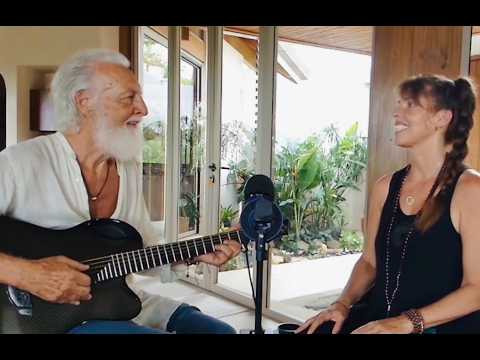
The most direct approach is to sit quietly, close the eyes, and listen to the recording with full attention. The voice of the chanter—in this case, delivered through Deva Premal and Miten's composition and arrangement—carries both the literal sound and the intentional energy embedded in the mantra. There is no need to understand Sanskrit or to know the chakra system in detail; the body and nervous system will respond to the vibration and structure inherent in the sound.
For deeper engagement, a listener might silently follow along with the words, attempting to mentally vibrate or internally chant alongside the audio. As familiarity grows, some practitioners begin to visualize the chakras lighting up or opening with each plane as it is invoked, creating a multimodal meditation that engages sound, vision, and felt sense simultaneously.
Consistency matters more than intensity. A daily practice of listening to or chanting this mantra, even for fifteen to twenty minutes, can create significant shifts in how consciousness feels distributed throughout the body and how one perceives reality. The mantra works cumulatively; each repetition deepens the grooves through which consciousness can flow.
What Is the Role of the Radiant Source in the Mantra's Meaning?
The core Gayatri Mantra speaks of "the adorable, enchanting and radiant source of all things." This source—known in Sanskrit as the savitra or the sun of truth—is not the physical sun alone, though the sun serves as a symbol. It is the transcendent source of illumination from which all consciousness emerges. In the context of the Seven Chakra version, this radiant source is what unifies the seven planes: each plane is a different manifestation or frequency of this single, supreme source of truth.
The meditation invites the practitioner to awaken to this divine light of pure consciousness as it shines through all seven realms. The heart of the practice is not effort or striving but recognition—the clear seeing that consciousness, in its fullness, is already present at every level, from the earth beneath your feet to the crown of your awareness. The mantra is the means through which this recognition becomes direct and embodied.
Where to Go from Here
If this practice resonates, deepen it through regular listening and eventual vocalization. The Deva Premal and Miten recording is available on Spotify and their album "DEVA," making it accessible for daily practice. For those interested in understanding the chakra system more thoroughly, exploring classical texts like the Sat-Chakra-Nirupana or contemporary commentaries will enrich your engagement with the framework. Consider also experimenting with different times of day—some practitioners find early morning, when the mind is fresh and the world is quiet, to be ideal for mantra work, while others prefer evening as a way to integrate the day's experiences.
If you feel drawn to the deeper philosophical dimensions, seek out teachings on Vedic cosmology and the relationship between sound (shabda) and consciousness. The connection between the seven planes and the seven chakras opens into vast territories of spiritual inquiry. Finally, community can amplify the practice: the Gayatri Sangha App and Deva Premal and Miten's newsletter and community are resources for connecting with others engaged in this work.