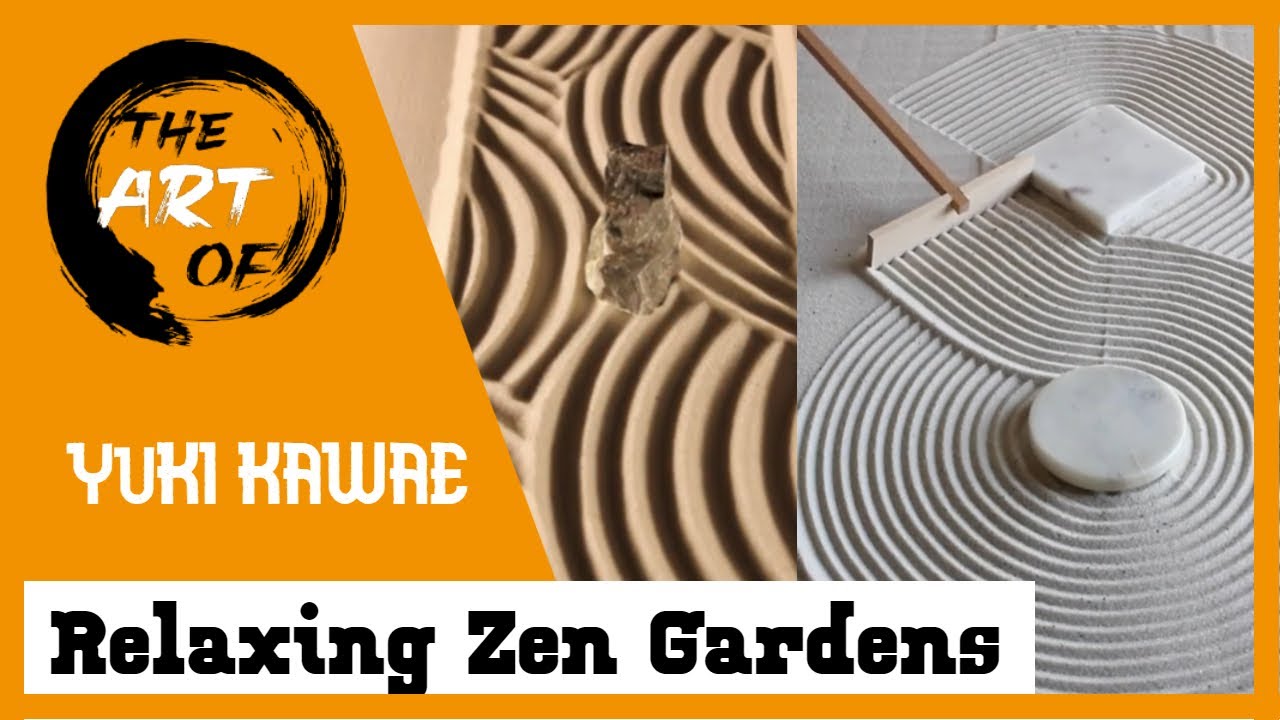
What is Sacred Geometry in Sand Art?
TLDR: This brief but absorbing piece of sand art demonstrates how sacred geometry—the use of precise, harmonious patterns rooted in natural and spiritual principles—can be created through deliberate, meditative hand movements. A wooden rake becomes the tool through which chaos transforms into order, each stroke flowing with absolute precision until a perfect Zen flower emerges. The work captures the essence of contemplative practice: the marriage of intention, skill, and surrender to the creative process itself.
Sacred geometry has long held significance across cultures and spiritual traditions as a visual language of universal order. In sand art, this principle becomes tangible and temporal—a practice where the artist works with impermanence as the foundational material itself. Yuki Kawae's approach to sand art is not mere decoration; it is a meditative discipline in which every movement carries intention and the outcome reveals patterns that reflect deeper principles of harmony and balance.
The wooden rake, ordinary in appearance, becomes an instrument of precision. In the hands of a skilled practitioner, it is no longer simply a tool but an extension of meditative awareness. The artist moves without hesitation—"without mistakes or doubts"—suggesting a state where thought and action have merged, where the work flows from a place of deep embodied knowledge rather than deliberation.
How Does the Artist Achieve Perfect Precision?
The transformation of sand into perfect geometry requires a specific quality of attention. Yuki Kawae works with "absolute precision that will leave you hypnotized in seconds," a phenomenon that speaks to both the technical mastery involved and the psychological effect of witnessing such focused intention. This precision is not rigid or tense; rather, the strokes flow with "incredible harmony," suggesting that accuracy and fluidity are not opposites but rather complementary aspects of the same meditative state.
The key to this achievement lies in the integration of several elements:
- Embodied skill: Years of practice allow the artist to move the rake with consistent pressure, angle, and speed, translating intention directly into mark-making without conscious correction.
- Mental clarity: The absence of doubt or hesitation indicates a state of mind free from second-guessing, where the artist trusts their trained hand and flows with the work.
- Rhythm and timing: The strokes accumulate in sequence, each one building upon the last, creating a visual rhythm that guides the whole pattern toward completion.
- Acceptance of the medium: Sand is inherently unstable and impermanent. Working with this material requires surrendering to its nature while simultaneously imposing precise geometric form upon it.
The result—an "impeccable Zen flower"—is not accidental but the inevitable outcome of this integrated practice. In Zen aesthetics, perfection and impermanence coexist; the work is complete and beautiful precisely because it will eventually be swept away or blown by wind.
What Role Does Visual Rhythm Play in Meditative Art?
The act of watching sand art unfold is itself a meditative experience. The viewer is drawn into a rhythm established by the artist's movements and the emerging pattern. Each stroke appears on the canvas, adding information incrementally, creating a sense of anticipation and inevitability. The repetition and regularity of geometric patterns naturally calm the nervous system, which explains why sand art videos are described as "the most relaxing video you'll see today."
This visual effect is not incidental or decorative—it is central to the work's purpose. When we watch a pattern emerge with precision and harmony, our own mental activity settles. The external order mirrors an order within, and witnessing it creates a space of inner calm. This is why sand art appears so frequently in contemplative practices and why it has become a widely consumed form of visual meditation in digital formats.
The "visual satisfaction" mentioned at the outset of the work is not superficial pleasure but a genuine neurological and psychological response to witnessing harmony and order externalized. The eye follows the emerging pattern, the mind tracks the progression, and in that tracking, discursive thought quiets.
How Does Impermanence Relate to Zen Aesthetics in Sand Art?
One of the most profound aspects of sand art is its acceptance of impermanence. Unlike a painting or sculpture created to endure, sand art is inherently temporary. Weather, human touch, or simple time will dissolve the work. This is not a flaw but a feature—it aligns the practice with core Zen principles about the nature of all phenomena.
By creating beauty in a medium destined to disappear, the artist embodies a spiritual understanding: that what matters is not the durability of the object but the quality of presence and intention brought to its creation. The work teaches both creator and observer that perfection and impermanence are not in conflict. The perfect geometry remains perfect even knowing it will fade.
This stance has deep roots in Japanese aesthetics. The concept of mono no aware (the pathos of things) celebrates the poignancy of transient beauty. Sand art in the Zen tradition echoes this sensibility—the work is precious because it is fleeting, complete because it accepts its own dissolution.
What Makes Sand Art a Form of Moving Meditation?
For the artist, sand art is a form of moving meditation or kinetic practice. Each stroke requires full presence; there is no room for distraction or habit. The hands must coordinate with the eyes and mind in real time. There is no time to "redo" or perfect in advance—each mark is made once, decisively. This demands a state of alert relaxation, where the body moves with trained certainty and the mind remains open to the immediate moment.
The viewer, too, enters a meditative state through observation. The repetitive, harmonious visual input reduces the brain's demand for novelty and stimulation. Stress hormones lower, breathing deepens, and the mind enters a more parasympathetic state. The work itself becomes a guide into stillness.
Where to Go From Here
If you are drawn to sand art and Zen aesthetics, consider exploring the following dimensions: seek out more works by Yuki Kawae and other sand artists to deepen your understanding of how different practitioners approach the medium. Practice close observation—watch not just for the final image but for the quality of movement and the rhythm of creation. If you are creatively inclined, consider trying sand art yourself, not necessarily to produce gallery-worthy results but to experience firsthand the meditative discipline it requires. Finally, reflect on how principles of precision, harmony, and acceptance of impermanence apply to your own creative and spiritual practice. The work of creating beauty in temporary materials offers a mirror for understanding how to live with intention despite—and perhaps because of—life's transient nature.