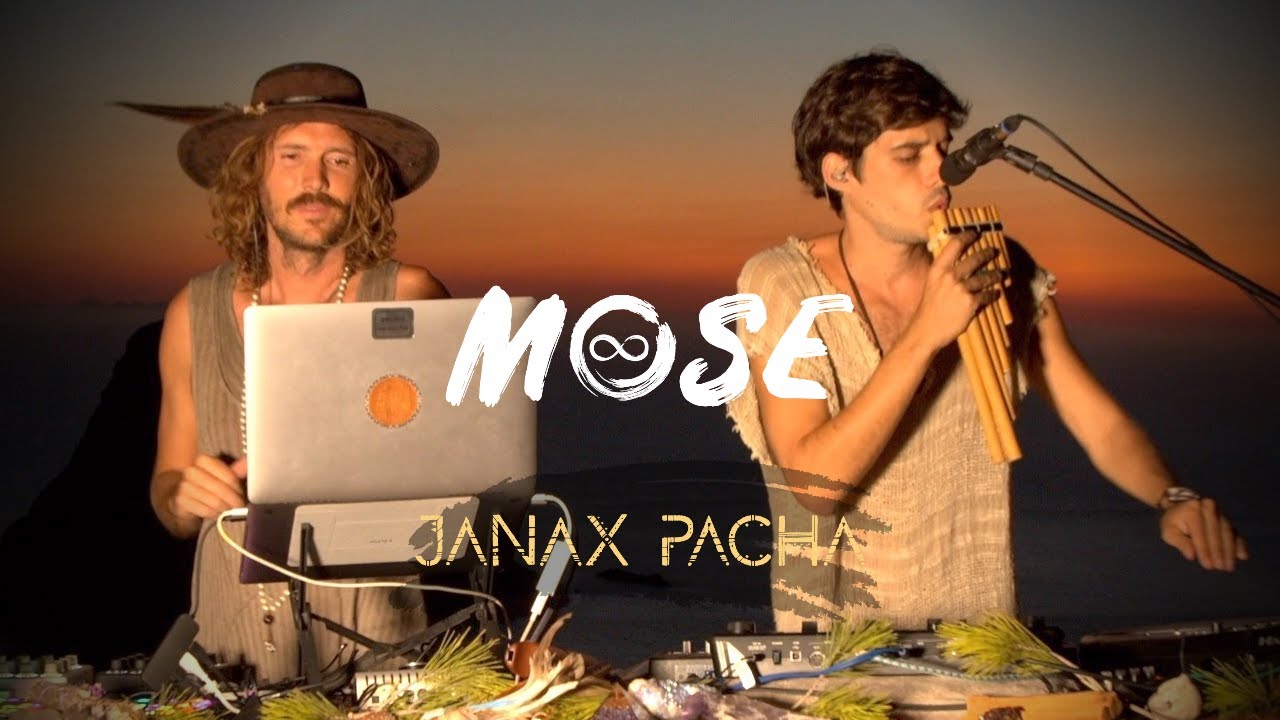
"The Water Blessing Song," originally created by Nalini Blossom and remixed by Mose and Binder, combines a Japanese Grand Invocation mantra with contemporary beat-driven music to direct collective prayer toward the healing of Earth's waters. The mantra—"Uchu no mugen no chikara ga kori kotte / Makoto no daiwa no miyo ga nari natta"—translates to "The eternal power of the Universe has gathered itself to create the world with true and grand harmony." Promoted globally by water researcher Masaru Emoto, the song layers English prayer affirmations for rivers, seas, and waters over instrumental music designed to make healing intention physically moveable through the body.
What Is the Grand Invocation and Why Does It Matter for Water Healing?
The Japanese mantra at the heart of this song is known as "The Grand Invocation," a phrase that holds particular significance in the work of Masaru Emoto, a researcher who studied the effects of sound, intention, and human consciousness on water molecules. The mantra translates directly as: "The eternal power of the Universe has gathered itself to create the world with true and grand harmony." This is not a prayer to an external deity, but rather an invocation of universal harmony itself—a linguistic act intended to align the speaker (or listener) with the organizing principle Emoto believed to be present in all creation.
Emoto's research, while controversial in mainstream science, proposed that water responds to intention. His work suggested that exposure to positive words, thoughts, and music could affect the crystalline structure of water, while negative or chaotic stimuli produced disorganized patterns. Whether one accepts Emoto's methodology or not, the underlying premise—that consciousness and matter interact—has resonated deeply across spiritual communities. Nalini Blossom's original composition takes this premise seriously, treating the mantra as a vehicle for directed intention rather than as mere words.
How Does the Remix Structure This Prayer for Movement?
The Mose and Binder remix transforms the Water Blessing Song from a contemplative chant into a rhythmic, dance-able prayer. The original composition by Nalini Blossom likely carried a more meditative quality; the remix introduces beat structure and percussive elements, creating what Mose describes as "a collaborative beat-driven remix" designed to "inspire prayer through movement." This shift from stillness to kinetic energy changes the energetic texture of the practice entirely.
The use of movement as a prayer vehicle reflects an ancient shamanic and somatic understanding: that the body is not separate from consciousness, and that rhythm and motion can align intention across multiple systems at once. When someone dances or moves to this song, they are not merely listening to a prayer—they are embodying it, carrying the frequency of healing intention into physical space through the vehicle of their own movement. This approach acknowledges what many contemplative traditions have long understood: that transformation often requires the whole person, not just the intellect or the heart alone.
What Do the English Prayer Lyrics Invoke?
Layered over the Japanese mantra and instrumental elements are English-language prayer affirmations that specify the scope of healing intention:
- "We pray for healing blessings on the waters"
- "We pray for healing blessings on the sea"
- "We pray for healing blessings on the rivers"
- "That they may shine in crystal purity / flow in perfect harmony"
These prayers move from the general (waters) to the specific (sea, rivers), then conclude with a statement of desired outcome: waters that manifest either as crystal clarity or perfect flow. The language is carefully chosen. "Crystal purity" invokes the visual aesthetic of clean water, while "perfect harmony" echoes back to the core message of the Japanese mantra itself. This creates a recursive structure in which the English prayers reinforce the original invocation, multiplying its stated intention.
Importantly, these are not petitionary prayers addressed to a god external to the waters themselves. They are affirmations of what the waters already are, or can become. The shift from "we pray that waters become pure" to "that they may shine in crystal purity" is subtle but significant—it treats healing as an activation of inherent potential rather than a bestowal of grace from outside.
How Does Gratitude Function in the Song's Healing Intention?
A critical element of the song's structure is the repeated invocation: "Thank you sacred water." This phrase appears multiple times throughout the track, creating a counterpoint to the prayer statements. Where prayer requests or invokes future healing, gratitude acknowledges present reality and establishes a relationship of reciprocity with water itself.
Gratitude in this context serves several functions. First, it shifts the singer or listener from a stance of lack (water is polluted, needs healing) to a stance of recognition (water is sacred, and worth thanking). This psychological reorientation can be profound; research in positive psychology suggests that gratitude actually alters brain state and emotional tone. Second, gratitude creates a feedback loop—by thanking water, one acknowledges its intrinsic value, which in turn motivates further care and protection of it. Third, within spiritual frameworks that treat water as conscious or ensouled (as many indigenous and contemplative traditions do), gratitude is a form of respectful communication, a way of honoring the entity being addressed.
Why Does This Song Matter for Planetary Healing?
The Water Blessing Song has reached nearly 758,000 views on YouTube and has "touched people far and wide all over the world," according to the song's description. This global reach suggests that the song addresses something people recognize as urgent: the ecological and spiritual crisis of planetary waters. Oceans are warming, acidifying, and filling with plastic. Rivers are dammed, diverted, and polluted. Aquifers are being drained. At the level of practical action, these are problems that require infrastructure, policy, and technology.
But the Water Blessing Song operates at a different level—the level of consciousness and intention. It assumes that how humans relate to water at the level of thought, feeling, and spiritual practice matters; that water responds to human attention and care; and that collective prayer, sung and danced together, has real effects. This is not a replacement for environmental policy or water treatment technology. Rather, it is a practice that cultivates the emotional and spiritual foundation necessary for humans to care for water as if it were sacred—which, from certain perspectives, it always has been.
In cultures around the world, water has been treated as a deity, a teacher, and a mirror of human consciousness. The Ganga River in India is worshipped as a goddess. The Amazon is understood as a conscious being by indigenous peoples. Masaru Emoto's own spiritual practice was rooted in Hado, a Japanese concept meaning "spiritual vibration." The Water Blessing Song taps into this deep well of water-reverence across cultures, making it accessible and contemporary through electronic music and movement.
How Does This Practice Relate to Sound as Medicine?
The song's reliance on specific syllables—both the Japanese mantra and the English affirmations—reflects an understanding of sound as having vibrational medicine properties. In yoga and Ayurvedic traditions, mantras are chosen for their sonic qualities as much as their semantic meaning. The sound vibration itself is believed to create resonance in the body and in the field around the body. The Japanese syllables of the Grand Invocation, with their particular vowel sounds and consonantal structure, carry a different vibrational signature than English words do.
By combining both Japanese and English, the remix creates a poly-vocal prayer that addresses multiple layers of consciousness simultaneously—perhaps the more intuitive, phonetic layers engaged by the mantra, and the semantic, cognitive layers engaged by English affirmations. The instrumental remix elements add further tonal and rhythmic complexity, creating a sound bath that works on listeners at multiple frequencies at once.
Where to Go From Here
If this song resonates with you, consider exploring the broader context of water-reverence practices across spiritual traditions. Masaru Emoto's work, while debated, offers a gateway into understanding consciousness-matter relationships and has inspired communities worldwide to engage with water mindfully. Nalini Blossom's original compositions, available on Bandcamp and SoundCloud, continue to explore sound-medicine for planetary healing. The Mose and Binder remix is particularly suited to embodied practice—consider listening while moving, dancing, or swimming, as the beat structure is designed for kinetic engagement. You might also explore indigenous water blessing ceremonies, ritual practices from cultures that have long understood water as sacred, and contemporary activist movements that combine prayer with environmental stewardship. The song is ultimately an invitation to feel water as alive, conscious, and worthy of care—and to allow that feeling to move through your body and into the world.